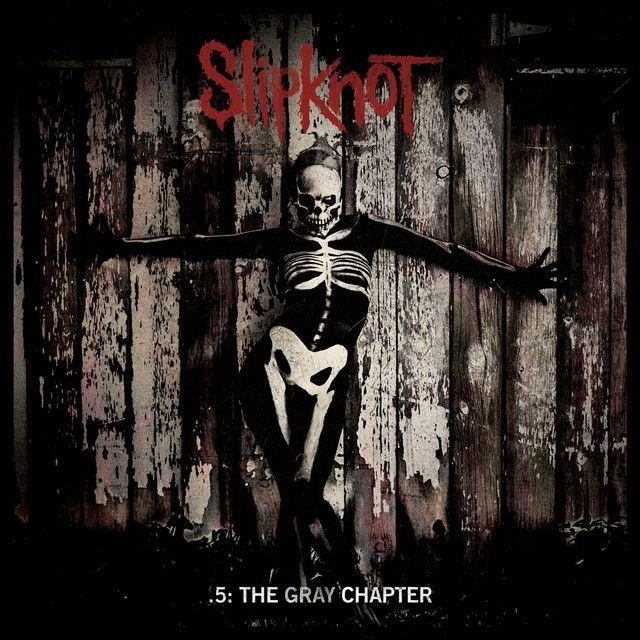
The Burden by Slipknot
They called the song The Burden, but the load it names is much heavier than a title. The track wrestles with grief, guilt, and the long aftershock of loss. If you’re searching for the meaning of The Burden Slipknot, think of this as a late-night confession from a survivor learning to live with pain that doesn’t leave.
"The Burden" - Slipknot
Can I feed you again?
Will I have to stay dumb?
Loading lyrics...
Unable to load lyrics
We're unable to display the lyrics at this time. Please try again later.
Grief Worn Like Armor
The big picture: this is Slipknot facing the weight of life after bassist Paul Gray’s death. In interviews around the album’s release, Corey Taylor framed The Burden as carrying the weight of losing a friend and bandmate and struggling with the “what could I have done?” spiral. That context matters, because the song’s narrator keeps circling blame, fear, and the need to keep going.
The tone is not victory; it’s endurance. When they say I'm terrified of everything
, the line reads like shock that hasn’t faded. The song accepts that grief is not a phase—it becomes part of your daily armor and your nightly fight.
Watch the official The Burden
music video
Who’s Speaking, And Who Hears It?
The voice is first person, but it widens to include the band and listeners. The speaker fights panic and self-reproach, then turns outward to ask for recognition. A line like Is there any other way?
sounds like a plea sent to anyone nearby—friends, fans, maybe even the memory of the person lost.
This dual address—private pain shared publicly—fits Slipknot’s history of making inner turmoil communal. It invites their community to witness without fixing what can’t be fixed.
From Shock To Surrender: A Quick Timeline
Here’s a clean read of the narrative beats:
- Shock and dread: the world feels hostile, the body freezes, and fear is total.
- Isolation: the speaker curls inward, trying to hide from damage they believe they’re causing.
- Naming the weight: the chorus focuses the idea into one anchor—
The burden
—as if saying it helps carry it. - Acceptance with limits: the admission
You can't save me
doesn’t reject help; it recognizes grief is not solvable by someone else. - Identity shudder:
Almost like I never lived
captures how loss can erase your sense of self.
By the end, they’re not “over it.” They’re learning to walk with it, asking again if there’s another path.
Why The Hook Hurts
The chorus is minimal, but that’s the point. Repeating The burden
turns pain into a mantra. It doesn’t try to explain. It pins the listener to the weight itself. In performance terms, a short, blunt phrase lets the whole band hit the same emotional downbeat.
Interpretation: the restraint is purposeful. Where earlier Slipknot hooks often explode, this one sinks, suggesting heaviness that won’t lift.
Symbols That Itch And Burn
Slipknot lace the verses with body and faith imagery. Parasites, rashes, and receding forms turn grief into a physical disease. The mention of posters and sacrilege hints at public judgment and the uneasy mix of fame and mourning. When the voice reaches For gods' sakes we've suffered enough
, it’s a communal cry that blends anger, prayer, and exhaustion.
Interpretation: the religious language isn’t pious; it’s desperate. The body horror says what normal words can’t—grief inflames everything you touch.
Sound As Weight: Production And Performance
The Burden appears on the digital special edition of .5: The Gray Chapter (2014). That album marked Slipknot’s return after Paul Gray’s death, with Greg Fidelman and the band shaping a colder, more spacious heaviness. The mix emphasizes layered, mid-tempo guitars that grind rather than sprint, while percussion lands like breath held too long.
Corey Taylor’s vocal arc is key. He starts weary, almost numb, then sharpens into a rasp that fractures at peak lines. Guitarist Jim Root’s parts stalk the vocal, favoring tension-building progressions over flash. The arrangement leaves room for silence and decay between hits, so each entrance feels like another pound on the chest.
Other Lenses: Addiction, Faith, Survivor’s Guilt
- Addiction lens (Interpretation): body imagery and pleas for witness can read like someone confronting relapse, asking the circle to acknowledge pain while knowing they must do the work themselves.
- Faith lens (Interpretation): the references to God and sacrilege suggest a fight with belief during grief—needing meaning but resenting it.
- Survivor’s guilt (Interpretation): lines like
You can't save me
andAlmost like I never lived
fit the numbness and self-erasure people report when they outlive someone close.
None of these erase the core reading; they add texture to why the song hits different listeners in different ways.
Final Resonance
If you came here for the meaning of The Burden Slipknot, here’s the takeaway: the song doesn’t cure grief; it names it, gives it edges, and asks us to carry it together. By stripping the hook down and letting the verses burn, Slipknot turn private pain into a shared, if heavy, ritual.
Disclaimer: Lyric interpretation is subjective. This analysis reflects one informed reading based on the text, band context, and production choices.








