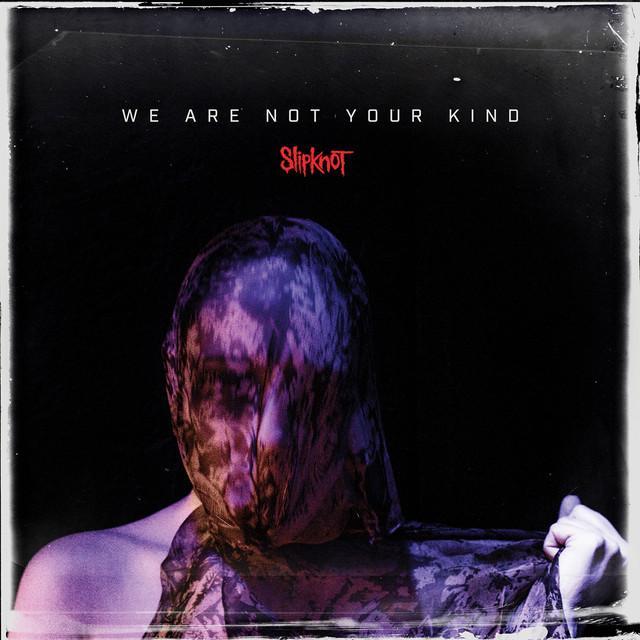
Unsainted by Slipknot
They don’t ask to be saved—they ask to be seen. Slipknot’s 2019 single draws a hard line between survival and sanctimony, fusing a soaring choir with pummeling riffs to explore anger, faith, and self-preservation. If you’re searching for the meaning of Unsainted Slipknot, start with the chorus’s stubborn vow to live on their own terms.
"Unsainted" - Slipknot
I was gone, but how was I to know?
I didn't come this far to sink so low
Loading lyrics...
Unable to load lyrics
We're unable to display the lyrics at this time. Please try again later.
The Meaning, Boiled Down to a Battle for the Self
At heart, Unsainted is a refusal to trade authenticity for approval. The narrator is done playing the role of the redeemed or the “good” one, choosing to cut ties and heal. The phrase holding on to letting go
frames that shift: they cling to release itself, making peace with walking away.
Interpretation: The song pushes back on people and systems that claim moral authority yet distort the truth to fit a tidy story. It’s not about glorifying darkness—it’s about rejecting labels that erase complicated, living pain.

Watch the official Unsainted
music video
Who’s Speaking, and Who’s “You”?
The verses are first-person confessions from someone weathering a rough patch
, addressing a judgmental “you.” That “you” can be a partner, a community, or a gatekeeping institution. When they spit, pick a lord and you pray to it
, the point isn’t mocking belief—it’s calling out the habit of outsourcing accountability to ideology.
Interpretation: The “you” is any force that tries to fix, frame, or martyr the narrator to keep a neat narrative intact.
What Happens Across the Song
- Verse 1: The narrator names the problem—denial, pressure, and bad-faith demands for “truth.”
- Chorus: A new boundary is set; survival is chosen over sanctification.
- Verse 2: The imagery sharpens: warnings to
buckle on the devil
and the coldness of a “killing field.” The lineyour bibles don't work on me
rejects dogma-as-cure. - Bridge: The final break from the accuser; the halo is torn off.
This simple arc—pressure, boundary, severing—makes the song feel both raw and focused.
The Chorus as a Line in the Sand
The hook flips the usual redemption story. Instead of “save me,” the narrator says “I’ll save myself,” even if it means shedding a false saintliness. That’s why the refrain lands like closure: it’s not self-destruction; it’s self-definition.
Symbols: Saints, Martyrs, and a Choir That Cuts Both Ways
Religious imagery does heavy lifting. Calling out martyrdom—You've killed the saint in me
—accuses the other side of sanctifying the narrator’s pain to make themselves look righteous. Saints and martyrs usually signal virtue; here they expose hypocrisy.
The intro choir heightens that tension. The angelic voices promise uplift, but the band’s drop turns that promise inside out. In interviews, Corey Taylor said the choir addition “gave me chills,” capturing how the grandeur sharpened the song’s punch. That contrast—cathedral vs. concrete—matches the lyric’s clash between ideals and lived reality.
The Bridge: Breaking the Halo
The turning point arrives when the narrator answers back, naming the manipulation and stepping out of the story being written about them:
Did you think you could do it again? I'm not your sin
In two lines, they refuse to be cast as either villain or sacrificial lamb. The bridge clears space for the last chorus to feel like release rather than relapse.
How the Sound Preaches the Message
Producer Greg Fidelman gives Slipknot a wide frame: choral widescreen, serrated guitars, and Corey Taylor’s gritty-to-melodic pivot. The drums pound in straight, arena-ready patterns while auxiliary percussion and electronics swarm at the edges. That density mirrors the lyric’s overload, then parts to spotlight the hook. The arrangement underlines the thesis: lofty expectations collapse into a concrete, cathartic choice.
Fact context: The track opened the We Are Not Your Kind era in May 2019, features the Angel City Chorale, and arrived with a striking video directed by M. Shawn “Clown” Crahan. It later soundtracked WWE’s NXT TakeOver: Toronto and topped Kerrang! readers’ year-end poll—proof that its mix of grandeur and grit resonated far beyond metal diehards.
Alternate Readings That Still Fit
- Relationship reading: The “you” is a partner who tried to control the narrative of the breakup—hence the stinging accusation of forced martyrdom.
- System reading: The “you” is cultural gatekeeping—religious or otherwise—that promises purity if the narrator erases their messier truths.
Interpretation: Both readings work because the song targets the impulse to sanctify suffering for appearances. Unsainted argues that healing begins when that script is rejected.
Takeaway: Why It Sticks
For many U.S. listeners, the meaning of Unsainted Slipknot lands as tough-love secular gospel. It blesses the choice to live honestly—no halos required—and turns letting go into an act of survival rather than surrender.
Disclaimer: This is one informed interpretation based on lyrics, band context, and production choices. Individual meanings may vary.








