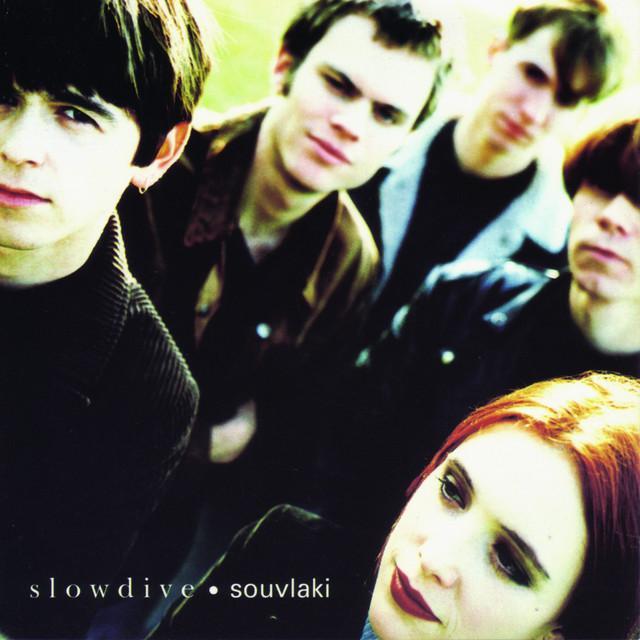
Dagger by Slowdive
The meaning of Dagger Slowdive comes down to a painful kind of closeness. The song sounds gentle, but its words are full of injury, distance, and emotional confusion. On the surface, it describes two people bound together by love and harm at the same time. Underneath, it feels like a portrait of someone who knows they are part of another person’s pain but cannot stop being that person.
"Dagger" - Slowdive
She falls and dreams alone
And me I am her dagger
Loading lyrics...
Unable to load lyrics
We're unable to display the lyrics at this time. Please try again later.
Written by Neil Halstead and released on Slowdive’s 1995 album Pygmalion, “Dagger” closes a record known for its sparse, drifting mood. That placement matters. After an album full of haze and space, this song feels stripped down and exposed.
A Love Song That Admits the Damage
At its core, “Dagger” is about intimacy turning into injury. The central image is blunt: the singer calls himself a dagger
and later a wound
. Before and after those phrases, the song makes clear that this is not about literal violence. It is about emotional harm, guilt, and the fear that love can cut as deeply as it comforts.
Interpretation: they seem to be describing a relationship where tenderness and pain cannot be separated. The narrator is not only near the other person; they are embedded in the hurt itself. That makes the song more tragic than angry. There is no big accusation here, only a quiet admission that being loved by someone can also mean being the source of their suffering.
The opening image of a sleeping girl dreaming alone deepens that feeling. Even in rest, she is isolated. The narrator is present, but not truly able to reach her.
Watch the official Dagger
music video
Dream Logic, Whispers, and Emotional Static
One of the most important parts of the meaning of Dagger Slowdive is its unstable border between waking and dreaming. The song keeps moving through sleep, whispers, and repeated half-heard moments. When the narrator says I thought I heard you whisper
, it suggests uncertainty more than clear communication.
That matters because the song is full of emotional static. The line about the world being full of noise
turns the outside world into interference. Instead of clarity, there is overload. They hear everything, yet they still cannot fully understand the one voice that matters most.
Interpretation: this can suggest depression, emotional numbness, or the breakdown of communication in a close relationship. The phrase about being too numb to feel another person’s pain points toward shutdown rather than cruelty. The narrator may understand that harm is happening, but they are emotionally dulled, unable to respond in a healthy way.
The Confession Hidden in the Last Verse
The final verse gives the song its most human moment. After so much distance and repetition, there is a brief memory of affection: I love you when you smile
. That line is simple, but it changes the emotional frame. Suddenly the song is not only about damage. It is also about tenderness remembered through fog.
Then comes the final confession:
I didn't really lose you
I just lost it for a while
This is the closest the song gets to explanation. The relationship may not have ended in a clean break. Instead, the real loss may be internal: stability, trust, emotional control, or the ability to stay present.
Interpretation: that ending supports the idea that the narrator is reflecting on a period of mental or emotional collapse. They did not completely lose the other person in a literal sense. They temporarily lost themselves, and that damaged the bond.
Why the Sparse Sound Matters So Much
“Dagger” is often discussed as one of Slowdive’s starkest songs, especially compared with the dense beauty associated with the band’s earlier work and the wider shoegaze scene. Instead of towering guitar textures, the arrangement is bare and intimate. That simplicity helps the song’s meaning land harder.
The acoustic feel leaves space around each line. There is no wall of sound to hide behind. Neil Halstead’s vocal delivery is soft, almost fragile, which makes the harsh self-image of being a dagger feel even sadder. The contrast is key: the music sounds delicate, while the words admit damage.
This also fits Pygmalion as an album. The record is famous for its minimal, drifting atmosphere, and “Dagger” acts like a final clearing of the fog. Rather than ending with a dramatic climax, Slowdive end with quiet honesty.
Two Strong Ways to Read the Song
There is more than one fair reading of “Dagger.” Two stand out.
Reading One: A broken relationship
In this view, the song is about two people trapped in a cycle of love, distance, and emotional harm. The whispers, numbness, and repeated images all show communication failing inside intimacy.
Reading Two: A portrait of inner collapse
In this reading, the other person may be real, but the main conflict is internal. The repeated phrases feel obsessive, and the final line suggests the narrator temporarily lost emotional balance.
Both readings can work at once. That ambiguity is part of what makes the song linger.
Why “Dagger” Still Hits So Hard
The reason listeners keep returning to this song is simple: it says something painful with almost no excess. The meaning of Dagger Slowdive is not hidden behind complicated storytelling. It lives in the tension between softness and harm, memory and confusion, love and guilt.
They give listeners a song that feels small but cuts deep. Its imagery is minimal, its sound is bare, and its emotions are unresolved. That is why it remains one of Slowdive’s most haunting closers.
Interpretation disclaimer: Song meanings are never fully fixed, and this reading blends lyrical analysis with musical context rather than claiming a single definitive answer.








