Why ‘Still Say Thank You’ Still Heals
The meaning of Still Say Thank You Smokie Norful comes down to one clear idea: gratitude is not reserved for easy seasons. This song frames thanksgiving as something offered after pain, during confusion, and even while life is still unsettled.
"Still Say Thank You" - Smokie Norful
My heart has been broken
And my life has been strained
Loading lyrics...
Unable to load lyrics
We're unable to display the lyrics at this time. Please try again later.
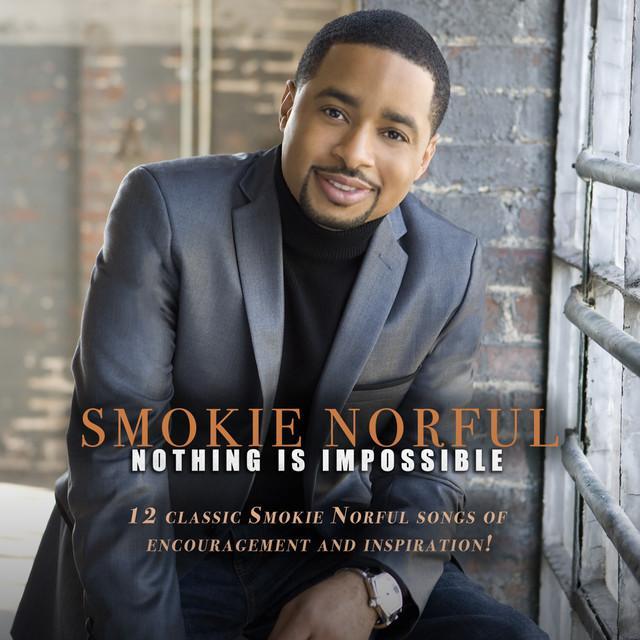
Smokie Norful is known in gospel for pairing testimony with strong melodic hooks and church-rooted piano work, a style reflected across his career on sources like AllMusic and Encyclopaedia Britannica. In this song, they present faith not as denial, but as endurance.
A Gratitude Song That Refuses to Pretend
At its core, the song tells the truth about suffering before it reaches for praise. The opening admits sin, hurt, and a life under pressure. That honesty matters. The singer is not claiming life has been smooth; they are saying gratitude survives anyway.
A short phrase like my heart has been broken
makes that point quickly. The song names emotional damage, then moves toward thanks. That shift is the engine of the whole lyric.
Interpretation: the song argues that spiritual maturity is not proved by never hurting. It is proved by still recognizing grace after hurt.

Watch the official Still Say Thank You
music video
The Central Turn: From Trouble to Thanks
The most important line of thought arrives in the repeated idea I still gotta say thank You
. In plain terms, the singer feels compelled to give thanks no matter what came before. The word “still” does a lot of work here.
It means:
- pain did happen
- setbacks did happen
- inner failure did happen
- gratitude remains possible
That is why the chorus feels bigger than a simple praise refrain. It sounds like a decision. They are not waiting for life to improve before speaking.
How the Verses Build the Message
The song moves through a simple testimony structure. First, it lists hardship. Then it recalls reversals and instability, including life being turned around. Finally, it lands on thanksgiving.
A phrase like I've been up and I've been down
gives the lyric a wide emotional range. It covers success and struggle in one stroke. Another key phrase, in the midst of my test
, makes the timing even sharper: thanks is offered during the trial, not merely after it.
That point is what gives the song pastoral strength. It speaks to listeners who are not at the finish line yet.
Mercy, Not Perfection, Drives the Song
One of the strongest ideas in the lyric is that blessing comes despite human failure. The phrase in spite of my mess
is short, but it carries a full theology of mercy. The singer admits flaws and still credits God with care.
This keeps the song from sounding self-congratulatory. The speaker is not thankful because they earned every good thing. They are thankful because they believe they were protected and provided for anyway.
For Your many blessings
In spite of my mess
Lord, You looked down
and You blessed me
That short passage sums up the emotional logic of the song: grace outweighs guilt.
Why the Repetition Matters So Much
Some songs use repetition just to be catchy. Here, repetition feels devotional. Saying “thank you” over and over turns the lyric into prayer and testimony at the same time.
In Black gospel tradition, repetition often deepens feeling rather than simply extending a hook. It creates space for conviction, audience response, and personal reflection. Norful’s performance style, rooted in church singing and piano-led worship, supports that tradition, as reflected in biographical summaries from The Gospel Music Association and major music databases like Discogs.
Interpretation: the repeated thanks may also suggest survival language. When words run out, gratitude becomes the one sentence they can keep saying.
How the Sound Carries the Meaning
Production-wise, the song works because it balances intimacy and lift. The arrangement is built in a gospel frame: steady rhythm, rich keyboard presence, rising vocal intensity, and communal backing responses. Even without a dense lyric, those elements make the testimony feel shared.
The lead vocal begins like confession and grows into celebration. That arc mirrors the words. They start in reflection, then move toward release.
Call-and-response vocals are especially important. They make the song sound less like a private diary and more like collective worship. In other words, one person’s testimony becomes something a whole room can enter.
Why the Song Still Connects
The meaning of Still Say Thank You Smokie Norful remains compelling because it offers a usable message. Listeners do not need a perfect life to sing it. They only need memory: of what hurt, what nearly broke them, and what somehow carried them.
The song also avoids a false promise. It does not say faith cancels trouble. It says thanksgiving can coexist with trouble. That is a more believable and, for many listeners, more comforting claim.
Final Thought on Its Message
In the end, “Still Say Thank You” is a song about gratitude after damage, mercy after mistakes, and praise in the middle of unfinished struggle. Its power comes from that one small word—“still”—which turns thanksgiving into an act of resilience.
Disclaimer: This interpretation is based on the lyrics provided, the song’s gospel style, and publicly available artist context. Song meaning can remain personal, and listeners may hear something different in it.







