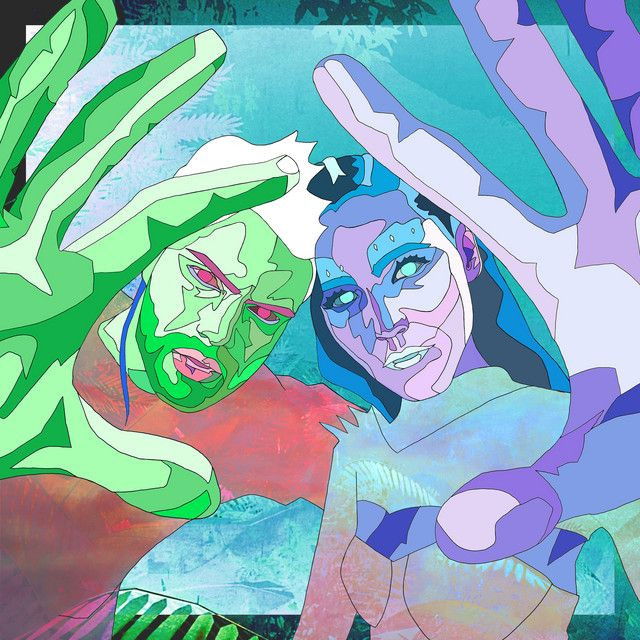
Like This by Sofi Tukker
A Dance Song With Its Guard Up
The meaning of Like This Sofi Tukker comes through as both sensual and defensive. The song does not tell a neat story with clear characters and a fixed ending. Instead, it throws the listener into a mood: one where attraction, annoyance, ego, and freedom all hit at once.
"Like This" - Sofi Tukker
Like this
Take off the day, go back to sleep
Loading lyrics...
Unable to load lyrics
We're unable to display the lyrics at this time. Please try again later.
That tension fits Sofi Tukker well. The New York duo, made up of Sophie Hawley-Weld and Tucker Halpern, built their name on dance-pop that feels playful, global, and a little wild, from Grammy-nominated work like Treehouse to breakout songs such as “Drinkee” and “Best Friend” Sofi Tukker - Wikipedia. In that context, “Like This” feels less like a diary entry and more like a performance of power.

Watch the official Like This
music video
The Core Idea Beneath the Beat
At the center of the track is a speaker trying to reclaim control. The lyrics move from exhaustion and self-protection into something bolder. Early lines suggest they want to hide, reset, or put on a face before entering the world again. When they mention Take off the day
, the phrase sounds like emotional burnout, not simple tiredness.
Then the song shifts toward confrontation. The other person, or force, in the song seems damaging but also strangely magnetic. One line calls them addictive and so ruthless
, which captures the whole emotional trap. They are drawn in, yet they know the cost.
Where the Conflict Lives
A toxic pull
The clearest emotional pattern is contradiction. The singer says this person damaged their spirit, but they still react to them. That clash makes the song feel real. People do not always break free cleanly; sometimes they keep dancing near the thing that hurts them.
A return to self
The turning point comes with But I have a voice
. That short statement matters more than the teasing hook because it gives the song its backbone. The speaker may be distracted, tempted, even messy, but they are not silent.
Speaking in absolute
Maybe distractive, maybe stupid
But I have a voice
And I'm gonna use it
This is the one moment where the song explains itself most directly. The speaker admits they may be judged as excessive or unfocused, then answers that judgment with open defiance.
How the Chorus Turns Meaning Into Motion
The repeated hook Like this
sounds simple, but it does a lot of work. It can mean “move like this,” “love like this,” “look at me like this,” or “I will do it my way.” That ambiguity is part of the fun.
Interpretation: the chorus feels like a demonstration of selfhood. Instead of explaining their identity in plain speech, the speaker performs it. The body becomes the argument. That is why the song keeps snapping back into rhythm after moments of emotional exposure.
The phrase Don’t you dare
adds another layer. It suggests resistance to being judged, studied, or controlled. Yet it appears right next to imagery of dancing and staring, so the song holds both refusal and seduction in the same space.
Strange Images, Clear Feelings
Some lines are surreal on purpose. References to mud on the cheek, being reckless after one drink, and touching a Taurus feel fragmented rather than narrative. Sofi Tukker often lean into art-pop collage, where feeling matters more than literal plot.
These details still connect to the song’s themes:
- masks and makeup suggest performance
- scrolling hints at modern distraction or surveillance
- drink imagery points to lowered defenses
- dance stands for both attraction and public confidence
Interpretation: the song may be about moving through social spaces where image and attention are everything. In that reading, the “you” is not just one person. It could also be a crowd, an ex, a cultural gaze, or any force trying to define the speaker from the outside.
Why the Sound Matters So Much
Sofi Tukker’s music often thrives on percussion, chant energy, and a sleek but physical electronic pulse. Critics have described their work as both playful and sincere, even “intimate and global,” as Slant wrote about Treehouse Sofi Tukker - Wikipedia. That description helps here too.
“Like This” uses repetition like a club track, but the vocal delivery keeps some bite in it. The beat does not smooth out the conflict; it sharpens it. Short phrases hit like commands. Call-and-response bits create a social feeling, as if the song is happening in a room full of watchers and challengers.
That matters for meaning. The production turns inner conflict into something public and physical. Instead of sitting alone with hurt, the speaker dances through it.
Artist Context Helps Explain the Attitude
Sofi Tukker came out of New York’s art and dance scene after meeting at Brown University in 2014 Sofi Tukker - Wikipedia. Their catalog often blends humor, desire, multilingual flair, and a love of movement. Even when the lyrics are abstract, the songs usually communicate through energy first.
That background makes “Like This” easier to read. It is not trying to be a confessional ballad. It is closer to a confidence ritual: messy, sexy, sharp-edged, and very aware of the body.
Final Take on the Song’s Message
The meaning of Like This Sofi Tukker is less about one fixed plot than one emotional act: taking back power in the middle of temptation, shame, and attention. The speaker feels bruised, attracted, and judged, but they refuse to disappear.
In the end, the song says self-expression may look chaotic from the outside. It may even look reckless. But for the person inside it, that movement is survival.
Disclaimer: This interpretation is based on the released lyrics, the song’s production, and publicly available artist context. As with most pop songs, listeners may hear different meanings in the same lines.








