Halo by Soil: A Love Song Turned Threat
Soil’s “Halo” sounds huge, angry, and blunt on first listen. But the meaning of Halo Soil is more complicated than simple rage. The song turns the language of devotion into something possessive, unstable, and dangerous. It presents a speaker who sees himself as damaged and sinful, yet still clings to another person as his reason to keep going.
"Halo" - Soil
That's pure inside
Everyday, every way I smell of suicide
Loading lyrics...
Unable to load lyrics
We're unable to display the lyrics at this time. Please try again later.
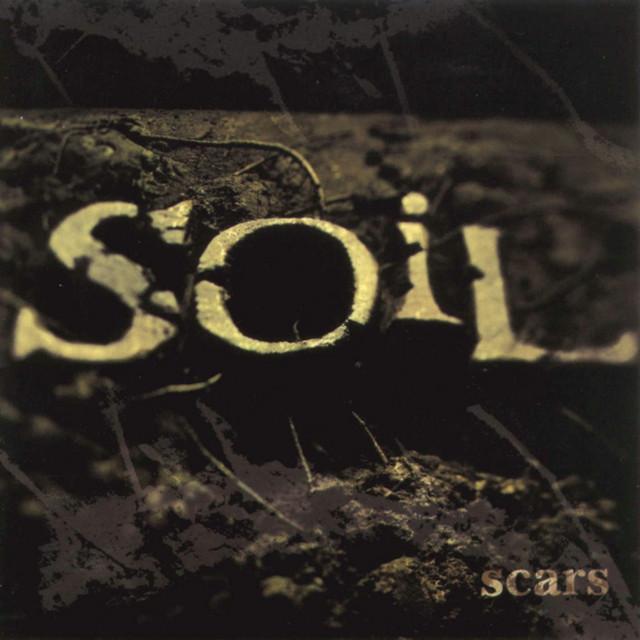
Released in 2001 as the lead single from Scars, “Halo” helped introduce Soil to a wider rock audience. It reached No. 22 on Billboard’s Mainstream Rock chart, according to Billboard chart data. Those facts matter because the song arrived during the peak nu-metal era, when bands often mixed confession, aggression, and emotional breakdown into one hard-edged sound.
The Core Idea Beneath the Noise
At its heart, the song is about contradiction. The speaker boasts, suffers, confesses, and threatens all at once. They call themselves strong and pure, but then admit inner decay. That clash is the engine of the whole track.
A key line is I'm the man, I'm the king
. Before and after that phrase, the lyric paints someone trying to sound powerful. But that power is unstable. Almost immediately, the song undercuts the bragging with pain, guilt, and self-disgust.
Interpretation: the speaker is not truly confident. They are performing confidence to hide collapse. In that reading, “Halo” is about a person who cannot separate love from control, or suffering from identity.

Watch the official Halo
music video
When Love Becomes Possession
The chorus is where the song gets its most disturbing idea across. The repeated phrase stone you
is violent, but the song pairs that violence with intimacy. The speaker also wants to hold the other person close, even protectively, which creates a twisted emotional mix.
Wrap my arms around you
My little HALO
This is the song’s most important contrast. The other person is treated like a holy object, a source of meaning, even a small symbol of salvation. Yet the same speaker talks about hurting them. That is why the title matters so much. A halo usually suggests innocence, grace, or purity. Here, that image is dragged into a world of obsession and damage.
Interpretation: the “halo” may be a lover, but it can also stand for an ideal the speaker cannot live up to. They worship it, need it, and resent its power over them.
The Speaker’s Inner Collapse
The verses keep returning to self-description. The narrator does not present as a calm, reliable person. They seem split between self-hatred and dependence. When they say all sins
, they reduce themselves to guilt, as if wrongdoing is not something they did but something they are.
That idea deepens with the image of being broken from giving
. The phrase suggests exhaustion from trying, sacrificing, or staying in a relationship that has become painful. Even the promise of “one last try” feels familiar in the worst way. It sounds like a cycle they have repeated many times.
In plain terms, the song’s speaker appears trapped in three feelings:
- shame about who they are
- need for another person’s approval or presence
- anger that turns outward when they feel weak
That combination is what gives “Halo” its emotional weight. It is not just loud. It is unstable.
Symbols That Carry the Meaning of Halo Soil
The song uses a small set of heavy symbols rather than a detailed story. Each one points back to the same themes.
Halo, Stone, and Scar
The halo symbolizes purity, hope, or the person the speaker idealizes. The stone is the opposite: punishment, attack, hardness, and emotional cruelty. The scarred hands image suggests history, damage, and consequences that do not disappear.
Together, these symbols tell a clear story. The speaker reaches for something pure while remaining stuck in destructive habits. They want redemption, but their own behavior keeps corrupting it.
Eyes and Perspective
Near the end, the lyric asks the listener or partner to feel through my eyes
. Paraphrased, this is a plea to understand the speaker from the inside. It is one of the song’s few moments that sounds less threatening and more desperate.
Interpretation: this line can be heard as a request for empathy. It can also be heard as an attempt to justify harm by saying, in effect, “see it my way.” That ambiguity is part of what makes the track memorable.
How the Sound Strengthens the Message
“Halo” lasts about 3:16, and it wastes very little time. Produced by Johnny K with the band, the track uses thick guitars, a punchy rhythm section, and a vocal delivery that swings between barked assertion and wounded strain. That production style fits the song’s meaning perfectly.
The riff feels blunt and repetitive, which mirrors the speaker’s mental loop. The chorus hits hard not because it is complex, but because it is relentless. Soil let the groove do part of the storytelling: this person is stuck, circling the same pain and the same obsession.
The official video also supports that reading. Set in a rundown house, it shows decay, confinement, and performance pushed toward chaos. As described in accounts of the release, the band eventually appear on walls and ceilings while instruments seem to break apart. That visual style turns emotional imbalance into physical space.
Why the Song Connected in 2001
“Halo” worked in its moment because nu-metal often centered damaged voices, blunt emotion, and the collapse of neat moral categories. Soil gave listeners a song that was catchy enough for radio but dark enough to feel dangerous.
The meaning of Halo Soil still stands out because it refuses to present love as clean or healing. Instead, it shows how devotion can become fixation when a person is ruled by guilt and anger. The hook is memorable, but the real point is the contradiction inside it: they call someone an angelic presence while speaking like a threat.
Final Take on Soil’s Dark Devotion
The best way to read “Halo” is as a portrait of corrupted love. Factually, it is a 2001 nu-metal single from Scars. Interpretation: emotionally, it is about someone who wants salvation from another person but brings violence, self-loathing, and control into that bond.
That tension is why the song still hits. It is not romantic in a healthy sense. It is a warning wrapped in a hook.
Disclaimer: Song meaning is always part fact, part interpretation. Unless the band has explained every line directly, some readings remain open to debate.









