Death Letter Blues by Son House
Why This Blues Song Still Hits So Hard
The meaning of Death Letter Blues Son House starts with a simple but crushing event: a man gets news that the woman he loves has died. From there, the song follows shock, travel, viewing the body, the funeral, and the lonely hours after. It is a story song, but it is also a study of grief arriving in stages.
"Death Letter Blues" - Son House
It said, "Hurry, hurry, yeah, your love is dead"
I got a letter this mornin, I say how do you reckon it read?
Loading lyrics...
Unable to load lyrics
We're unable to display the lyrics at this time. Please try again later.
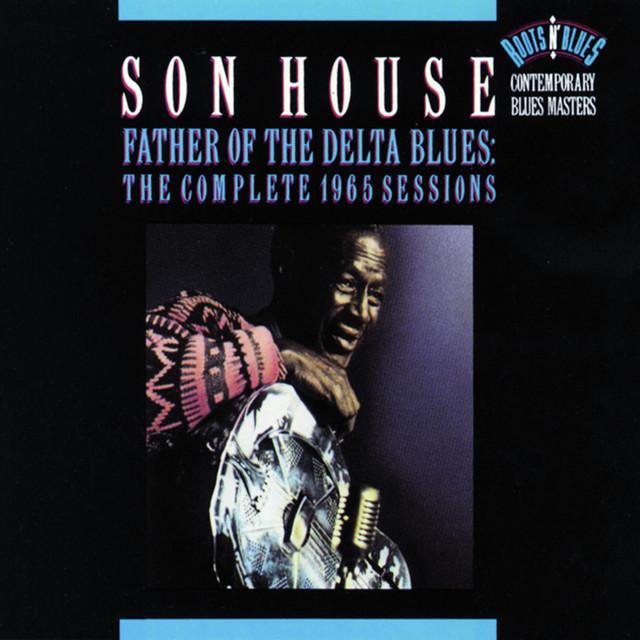
Son House recorded the best-known version in 1965 for Columbia Records, after his rediscovery during the 1960s blues revival. That version became his signature performance. Critics and listeners have long heard it as one of the most painful laments in Delta blues, and that reputation matters because the performance feels less like polished entertainment and more like lived pain.

Watch the official Death Letter Blues
music video
A Death Notice Becomes a Spiritual Crisis
At the start, the narrator receives news in the morning and is told to hurry because his lover is gone. The phrase your love is dead
is blunt on purpose. There is no soft landing, no comforting image, just a sentence that changes the day and the singer's life.
Then the song moves quickly into action. He packs and travels, but speed does not help. By the time he arrives, she is already on a coolin' board
, an old term for the board used to prepare a body before burial. That detail gives the song its chilling realism. This is not abstract sadness. It is grief standing in a room with death right in front of it.
The Story Unfolds Beat by Beat
One reason the song feels so powerful is that its scenes are easy to follow:
- A letter arrives with the news.
- The narrator rushes to see her.
- He views her body and faces the finality.
- He stands at the burial ground.
- He goes home to pray, remember, and break down.
The emotional center may be the moment when he admits, in effect, that he only fully understood his love after they laid her down
. That is one of the song's hardest truths. Loss can reveal feeling that everyday life kept hidden.
Farewell honey
I'll see you on Judgment Day
These lines turn private grief into something spiritual. He cannot change what happened, so he pushes the relationship beyond death and into religious hope.
Grief, Guilt, and the Blues Voice
On the surface, the song is about mourning. But the meaning of Death Letter Blues Son House may also include guilt and regret. The narrator asks for mercy on his wicked soul
, promises he would not mistreat her, and says he must change his way of living. Those lines suggest more than sadness. They hint that he is reviewing his own failures.
Interpretation: Some listeners hear the song as implying that the narrator may have harmed the woman, or at least treated her badly before she died. That reading has appeared in blues commentary, including an American Songwriter discussion of the song. Still, the lyric does not confirm that literally. Just as plausibly, he is expressing survivor's guilt: the common human pain of wishing they had loved better while there was still time.
That ambiguity is part of why the song lasts. It leaves room for both confession and mourning.
How Son House's Guitar Carries the Meaning
The words matter, but the sound is what makes them burn. House's 1965 recording used a metal-bodied National resonator guitar with slide, producing a sharp, metallic cry. The tone is cutting and restless, almost like a human voice straining against bad news.
The rhythm also matters. Even when the lyric is about sorrow, the guitar keeps pushing forward. That creates tension: the body keeps moving while the mind is in shock. In live performance, House often changed tempo and verses, sometimes stretching the song into something even more intense. That flexibility made the piece feel alive, like grief arriving in waves instead of neat verses.
His singing is rough, urgent, and unpretty in the best way. He sounds like someone trying to stay upright. That is central to the song's meaning: blues here is not just a genre label, but the force that follows death home and sits in the room with the survivor.
Traditional Roots, Personal Power
Factually, the song draws on older blues material. Research on the song notes links to traditional sources and related songs by artists such as Ida Cox and others who used similar death-letter imagery. The 1965 recording is often tied to House's earlier work as well, especially "My Black Mama, Part 2." In blues tradition, verses travel, change, and return in new emotional settings.
That history does not weaken the song's impact. It strengthens it. House takes shared blues language and turns it into a signature statement. Even a familiar floating verse, like waking up with the old walking blues, fits the larger story because grief makes every ordinary morning feel newly empty.
What the Song Finally Says About Love
By the end, the song is not only about one death. It is about what love feels like when time runs out before people are ready. The narrator hugs the place where she used to be, hears her in memory, and realizes that love can outlive the person who carried it.
Interpretation: The deepest message may be that grief exposes truth. Love, neglect, jealousy, dependence, faith, and remorse all come to the surface once there is no chance to fix the past. That is why the song feels bigger than its plot.
For many listeners, the meaning of Death Letter Blues Son House is this: death ends a life, but it does not end reckoning. The survivor must still face what they felt, what they failed to say, and what the blues now force them to remember.
Disclaimer: This interpretation separates documented context from informed reading. Like many blues songs, "Death Letter Blues" invites more than one valid meaning.








