Why “Kool Thing” Cuts Deeper Than Cool
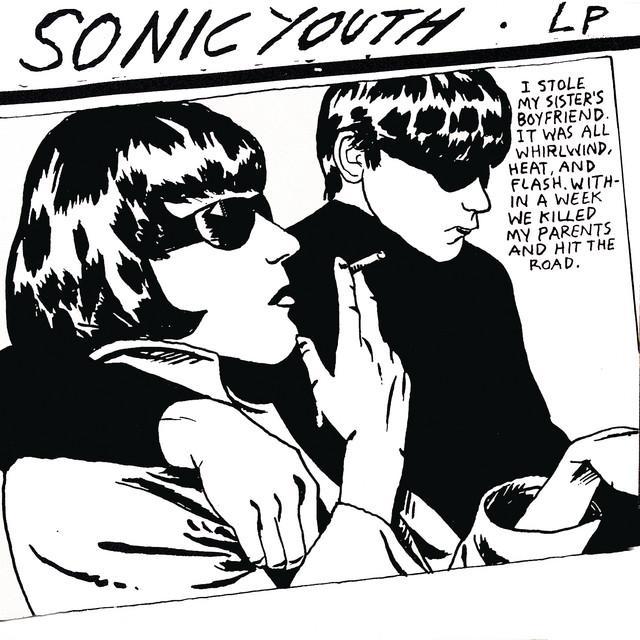
The meaning of Kool Thing Sonic Youth starts with a clash: attraction versus skepticism, pop glamour versus politics, and cool image versus real substance. Released as the first single from Goo in 1990, the song became one of Sonic Youth’s best-known tracks and reached No. 7 on Billboard’s Alternative Airplay chart, a major step in the band’s crossover story.
"Kool Thing" - Sonic Youth
Now you know you're sure lookin' pretty
Like a lover not a dancer
Loading lyrics...
Unable to load lyrics
We're unable to display the lyrics at this time. Please try again later.
More importantly, it gave Kim Gordon a way to turn an uncomfortable real-life encounter into art. The result is not just a diss track or a simple feminist slogan. It is sharper, stranger, and more self-aware than that.
The Real Target Behind the Song
Factually, the song was inspired by Gordon’s 1989 SPIN interview with LL Cool J. Multiple sources connect the lyrics to that conversation and to references from his work, including radio and panther imagery. The track also features spoken vocals by Chuck D and appeared on Goo, Sonic Youth’s sixth studio album.
Interpretation: The song is less about attacking one person than about exposing a whole performance of power. Gordon presents a male star as magnetic and stylish, then immediately questions what that image is actually worth.
That tension shows up right away. The lyrics admire the surface, calling the figure pretty and powerful, but the repeated refusal I don’t think so
breaks the spell. Every time the song seems ready to surrender to charisma, it pulls back.

Watch the official Kool Thing
music video
Flirtation, Mockery, and a Challenge
One reason the song still feels alive is that it does several things at once. It sounds flirtatious, even playful, with lines like turn me on
and I’ll be your slave
. But the song never settles into simple desire.
Instead, those moments feel exaggerated, almost like role-play. Gordon seems to mimic the language of pop seduction so they can show how hollow or absurd it becomes under pressure.
Then comes the song’s central challenge. In its most famous spoken section, the narrator asks whether this “cool” male figure will liberate us girls
from male white corporate oppression
. That line is funny, blunt, and intentionally awkward. It sounds like a serious political demand dropped into a rock song that knows such a demand may be impossible for any celebrity to meet.
A Song About Cultural Disconnect
The meaning of Kool Thing Sonic Youth also depends on context. Gordon later suggested that the original interview revealed a major disconnect, and she was not only critiquing LL Cool J but also making fun of her own assumptions about shared politics and culture.
That matters because it keeps the song from becoming self-righteous. It is not simply “they are right, he is wrong.” It is also about a failed attempt at connection between different scenes, different languages, and different ideas of power.
Interpretation: The title phrase “kool thing” works like a label for celebrity itself. A star can be stylish, famous, and desirable, yet still remain a surface. The song keeps asking what lies behind that surface, and the answer never fully arrives.
How the Chorus Refuses the Fantasy
The hook is simple, but it does a lot of work. The recurring refusal turns the track into a stop-and-go conversation. It blocks submission. It blocks easy admiration. It even blocks the speaker’s own temptation.
Fear of a female planet?
Fear, baby!
This brief burst shifts the song from teasing to confrontation. It brings in ideas about gender anxiety and male discomfort, while still sounding half like a joke and half like a slogan. That unstable tone is the point.
Why Chuck D Matters
Chuck D’s appearance is crucial. His spoken interjections, including Hit ’em where it hurts
, widen the track’s frame. What begins as a personal exchange suddenly feels public and political.
His voice also ties Sonic Youth’s art-rock world to rap’s political urgency. That connection is important, because the song is already built around cross-genre and cross-cultural tension. Chuck D does not solve that tension; he amplifies it.
The Sound of Seduction and Resistance
Musically, “Kool Thing” is one of Sonic Youth’s cleaner, more direct singles, but it still carries their trademark guitar abrasion. The riff is heavy and hypnotic. The beat feels steady enough to groove, yet the guitars keep scraping at the edges.
That sound mirrors the lyric’s argument. The groove invites the listener in, like a pop star’s image. The dissonance keeps interrupting, like doubt. Gordon’s vocal delivery matters too: they sound cool, detached, and faintly amused, which makes the questions hit harder.
Rather than scream outrage, the performance uses distance as a weapon. That calm tone suggests the speaker has already seen through the act.
Why the Song Endures
Critics have often heard “Kool Thing” as a feminist anthem, and that reading makes sense. It openly challenges male power, mocks macho posturing, and asks what liberation from celebrity culture really looks like.
But the song lasts because it is more complex than a slogan. It also examines desire, projection, race, media image, and the way politics can get flattened into style. Even the references to radio and panther imagery feel borrowed on purpose, turning pop symbols into unstable signs.
Interpretation: In the end, the song suggests that “cool” is never enough. Charm without accountability is weak. Radical language without real understanding is weak too. “Kool Thing” keeps both truths in play.
The Bottom Line on “Kool Thing”
The meaning of Kool Thing Sonic Youth is about questioning power dressed up as charisma. It takes the energy of flirtation and turns it into critique, while also poking at the speaker’s own pose.
That is why the song still lands. It is catchy, confrontational, funny, and suspicious all at once. Few rock singles have sounded this cool while being so openly doubtful.
Disclaimer: This article offers an interpretation based on the song, public artist context, and documented reception. Meanings can vary from listener to listener.







