Defeat U by Soulfly
Why This Song Hits So Hard
The meaning of Defeat U Soulfly comes down to resistance. It is a short, furious song about refusing to be broken by betrayal, fear, or weakness in another person. Instead of sounding wounded for long, the track turns pain into force.
"Defeat U" - Soulfly
So you say that doesn't interfere
And you don't care what happens here
Loading lyrics...
Unable to load lyrics
We're unable to display the lyrics at this time. Please try again later.
On the surface, the lyrics describe a conflict with someone who acted distant, careless, and cowardly. The speaker sees through that person and answers with strength. But under that, the song is also about self-definition. They are not just attacking an enemy; they are defending a code.
That code appears in one key word: integrity. The song frames survival not as luck, but as character. Even when the language gets violent and the emotions run hot, the core message is that honesty and endurance matter more than appearances.

Watch the official Defeat U
music video
A Fight Song Built From Betrayal
The verses suggest a broken bond. The speaker addresses someone who claimed nothing was wrong and did not care what damage was happening. That opening sets up the song's emotional engine: one person avoided truth, while the other had to live with the scars.
When the lyric mentions inner fear
, it shifts the balance of power. The speaker no longer sounds confused. They understand the other person's behavior as weakness, not strength. A later image, my scars tell the story
, suggests lived experience. Pain becomes evidence, almost like a record of what really happened.
Interpretation: this makes the song less about revenge alone and more about exposure. The speaker is calling out dishonesty. The hidden message attached to the track on fan-documented notes is "Be honest to death," which fits that reading well.
The Chorus Turns Defense Into War
The chorus is simple, blunt, and easy to remember. First comes refusal: won't break me
. Then comes escalation: defeat me
becomes the line they reject. After that, the voice turns outward and answers with a group threat.
It won't break me
It won't defeat me
We will break you
We will defeat U
That switch from "me" to "we" matters. It broadens the song from a personal wound into a shared stance. In metal, that kind of chant often creates solidarity between band and listener. A private hurt becomes collective resistance.
Interpretation: the chorus is not subtle, but it is effective. It turns survival into victory. Instead of saying, "I got through it," the song says the attack failed and the survivor now controls the outcome.
Integrity Is the Real Center
The middle of the song adds a familiar idea: what does not kill a person can make them stronger. Soulfly does not present that as a calm life lesson. They turn it into a daily survival rule.
The line about living on a razor's edge
suggests constant danger. This is not healing in comfort. It is staying upright in harsh conditions. Then the song names integrity again, making it the one stable thing left when trust in other people has collapsed.
That is an important clue to the meaning of Defeat U Soulfly. The real opponent may not just be one person. It could also be corruption, fake loyalty, or moral weakness. The speaker sounds angry, but their anger is organized around a principle.
How the Sound Carries the Message
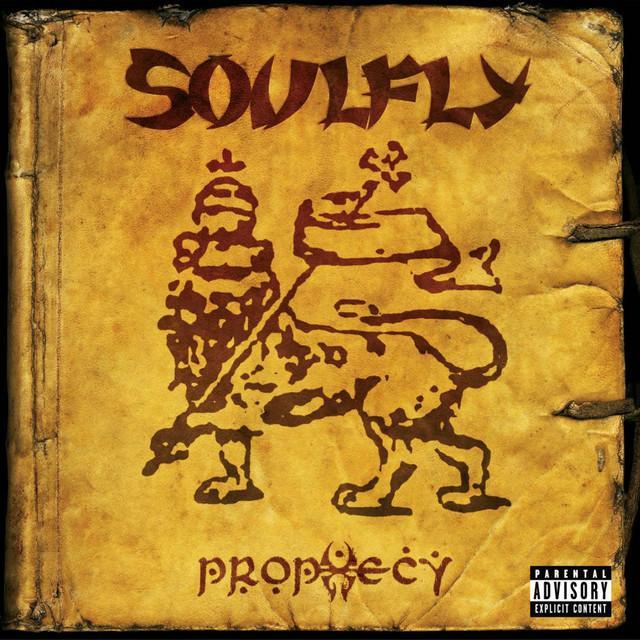
"Defeat U" appears on Soulfly's fourth album, Prophecy, released March 30, 2004. The song runs only about two minutes and ten seconds, and that short length is part of its power. It does not wander. It strikes fast and leaves a bruise.
According to the Soulfly Wiki, the track features Max Cavalera on lead vocals, Danny Marianino on additional vocals, and Mark Pringle on backing vocals. That layered vocal setup helps the song feel less like a monologue and more like a gang response. It sounds confrontational by design.
Musically, the track is built on rapid riffing and a hard rhythmic push. There is little softness in the arrangement. The guitars bite, the drums drive forward, and the vocals are delivered with a barked urgency. Terry Date's mix, plus Ted Jensen's mastering, helps keep the song tight and physical rather than messy.
Even on an album known for broader textures and spiritual elements, this track is direct. It is one of the more stripped-down expressions of rage on Prophecy, and that contrast makes it stand out.
Artist Context Helps Explain the Tone
Soulfly in this era was a fluid project centered on Max Cavalera, who used changing lineups and guest voices across albums. That gave Prophecy a restless identity. It moved between spiritual, tribal, and crushing metal sounds.
"Defeat U" sits on the aggressive end of that spectrum. Its title reportedly kept the text-message shorthand "U," which gives it a raw, immediate feel rather than a polished one. Even the spelling sounds like something fired off in the heat of anger.
This matters because Soulfly often mixes the personal with the ritualistic. Here, though, they keep things close to the bone. The song does not build a large myth. It stays in the emotional moment of confrontation.
One Song, Two Strong Readings
There are at least two convincing ways to hear the song:
- Personal betrayal: the speaker addresses someone who failed them, lied, or withdrew when it mattered.
- Moral battle: the song attacks cowardice itself and defends integrity as a way of living.
Both readings fit the lyrics. The personal details create the wound, while the repeated emphasis on strength and principle expands the meaning.
Final Take on the Meaning
The meaning of Defeat U Soulfly is not complicated, but it is intense. The song is about taking injury, seeing the truth behind it, and refusing to stay down. Its anger is real, yet its deeper message is about endurance and personal code.
That is why the song still works. They give listeners a compact burst of defiance where pain becomes proof, survival becomes identity, and integrity becomes the last thing that cannot be taken away.
Disclaimer: This interpretation is based on the lyrics, documented song credits, and album context. As with any song, listeners may hear different meanings.








