
Why Soundgarden's '4th of July' Feels Like Doom
The meaning of 4th Of July Soundgarden starts with a strange contradiction: a title linked to fireworks and celebration, paired with one of the darkest songs on Superunknown. Instead of joy, the track presents heat, smoke, visions, and a creeping sense that the sky itself is giving a warning.
"4th Of July" - Soundgarden
Clean sparks diving down
Cool in the waterway
Loading lyrics...
Unable to load lyrics
We're unable to display the lyrics at this time. Please try again later.
Soundgarden released the song on Superunknown in 1994, with Chris Cornell as its writer and the album produced by Michael Beinhorn alongside the band. Those are well-established credits in standard discographies and song references, including Songfacts. What makes the track endure, though, is not just the credit line. It is the way Cornell and the band turn a personal, surreal experience into something that sounds cosmic.
A Holiday Title Turned Inside Out
On the surface, the chorus points to fireworks and summer sky watching. But the repeated line about thinking it was the end
changes everything around it. The title no longer feels patriotic. It feels ironic.
That shift is the key to the song. The imagery suggests flashes in the sky, pressure in the air, and a mind trying to name what it sees. The easiest label is a holiday. The deeper feeling is catastrophe.
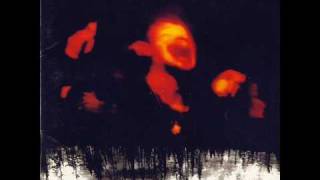
Watch the official 4th Of July
music video
What Chris Cornell Said It Came From
There is one important factual clue about the song's origin. In a quote preserved by Songfacts, Cornell said the song was largely inspired by an LSD experience in which he heard voices and moved through a dreamlike mental state. That does not “solve” every lyric, but it matters.
It helps explain why the song feels both vivid and unstable. Images arrive with dream logic. The singer seems certain and uncertain at once. They hear signs in nature, read disaster into the sky, and move through scenes that feel half-real, half-hallucinated.
The Verses Paint Baptism as Disaster
The opening lines are full of cleansing images that go wrong. Water, sparks, sun, and breath should suggest life. Instead, they feel dangerous. A phrase like baptized drown
flips a spiritual symbol into something fatal.
That reversal runs through the song. The voice is not describing a healthy rebirth. They are describing revelation that hurts. Even the moment of self-recognition carries a loss of certainty, especially when the narrator admits they thought they were alone but were mistaken.
Interpretation: this can sound like ego collapse, panic, or the sudden realization that reality is not as stable as it seemed.
Why the Chorus Sounds So Apocalyptic
The chorus is simple, but its repetition makes it overwhelming. The narrator says they heard it in the wind
and saw it in the sky
. Those are broad, almost biblical signals. Nature itself seems to be speaking.
Then comes the crucial twist: they thought it was the fourth of July
. That line can be heard two ways at once:
- literally, as fireworks or explosions in the sky
- symbolically, as a failed attempt to explain terror through something familiar
That is why the hook lands so hard. The mind reaches for a normal explanation, but the feeling underneath is much darker.
Fire, Religion, and Buried Hope
Later verses push the song deeper into ruin. Fire spreads. Fear grows. People refuse to talk. One of the bleakest religious images shows Jesus tries to crack a smile
, but even that faint gesture is buried.
This is not a song about easy faith. It is a song where sacred symbols are trapped under destruction. The effect is spiritual exhaustion. If there is hope here, it is weak, half-covered, and struggling to breathe.
Interpretation: these lines may point to cultural collapse as much as personal collapse. The silence in the song matters. No one wants to name the disaster, even while it is clearly happening.
How the Sound Makes the Meaning Heavier
A big part of the meaning of 4th Of July Soundgarden comes from the music itself. The track moves slowly, with down-tuned guitars and a thick, sludgy tone. It does not rush toward panic. It sinks into it.
That choice is powerful. Faster drums might have made the song feel like chaos. Instead, Soundgarden makes it feel inevitable, like a giant shadow rolling forward. Cornell's vocal sits above that weight with a tired, haunted force, which makes the visions feel less theatrical and more inescapable.
In practical terms, the arrangement mirrors the lyrics: bright flashes above, crushing heaviness below. Fireworks become fallout.
The Ending Turns Vision Into Aftermath
Near the end, the song shifts from seeing disaster to living inside it. The narrator says they are in control, then immediately places themselves in the fallout. That contradiction is revealing.
They may feel awakened, but awakening does not bring safety. The image of a Roman candle in hand brings the whole song back to its title. Fireworks are no longer distant objects in the sky. They are intimate, dangerous, and impossible to hold without risk.
Now I'm in control
Now I'm in the fall out
Those two short lines capture the song's final irony: the moment of control may actually be the moment after the blast.
The Strongest Reading of the Song
The most convincing reading is that "4th of July" turns a psychedelic experience into a broader vision of doom. It is personal, but it feels universal. Cornell starts with sensory confusion and ends somewhere close to revelation.
That is why the song still resonates. It understands how people process fear: first as weather, then as spectacle, then as truth. What looked like a celebration becomes a sign of collapse.
In that sense, the meaning of 4th Of July Soundgarden is not just about one bad trip or one strange day. It is about how the mind tries to survive overwhelming experience by giving it a name.
Disclaimer: This interpretation separates confirmed facts, such as credits and Cornell's quoted comments, from informed reading of the lyrics. As with many Soundgarden songs, ambiguity is part of the design.








