Flower by Soundgarden
The meaning of Flower Soundgarden is darker than its title suggests. On the surface, the song sketches a young woman who looks glamorous, magnetic, and admired. But Chris Cornell’s lyric slowly reveals a harsher truth: the image is hollow, the confidence is borrowed, and time catches up fast.
"Flower" - Soundgarden
Eyes a purple green
Treated like a Queen, she was
Loading lyrics...
Unable to load lyrics
We're unable to display the lyrics at this time. Please try again later.
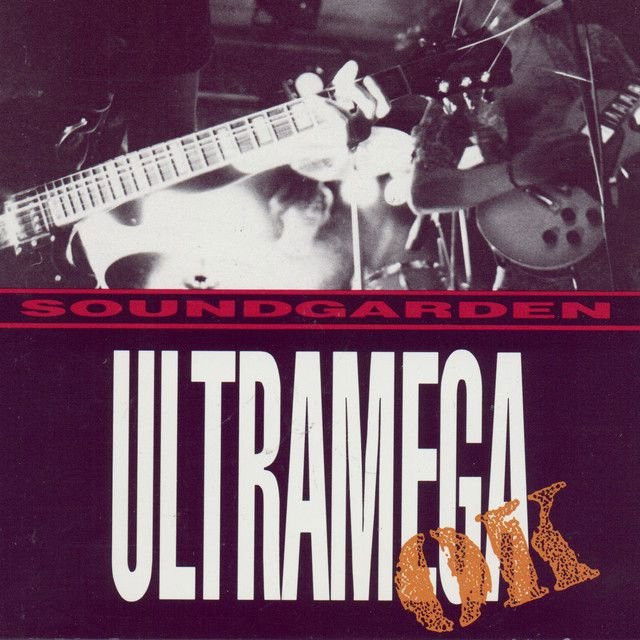
Released on Ultramega OK in 1988 and issued as a single in 1989, Flower
was an early sign of how Soundgarden could mix heavy rock with uneasy, poetic storytelling. Major references credit Kim Thayil with the music and Cornell with the lyrics, and the single came out through SST during the band’s early Seattle years (Songfacts; Wikipedia).
A pretty title hiding a grim story
At the center of the song is a character introduced as all of seventeen
. That phrase matters because it frames her as very young, almost frozen at the start of adult life. She is presented as desired and elevated, even treated like a Queen
, but the next move undercuts that status.
Cornell says her confidence rests on borrowed self esteem
. In plain terms, the song suggests that her identity comes from outside approval rather than inner stability. She seems powerful only as long as others keep reflecting that power back to her.
That tension is the key to the meaning of Flower Soundgarden. The song is not celebrating beauty or attention. It is watching how quickly they can become a trap.

Watch the official Flower
music video
The verses turn performance into damage
The middle of the lyric presents her life as a show. She performs, poses, and draws people in, but Cornell frames it as a mask rather than freedom. When he describes a painful masquerade
, the idea is that what looks glamorous is already hurting her.
The same thing happens with the details of style and surface. Clothing, makeup, and gesture all appear in quick flashes. None of them feel warm or romantic. Instead, they suggest armor, costume, and a life organized around appearance.
Interpretation: They can hear the song as criticizing a culture where a person becomes a role to be consumed. The woman in the lyric is not shown developing as a full person. She is shown becoming an image.
Vanity, veins, and the song’s bleak wordplay
One of the sharpest moves in the lyric is the shift around vain parade
and then along her veins
. Song commentators have long pointed to that pairing because it links vanity to physical self-destruction (Songfacts).
This is where the song’s tone turns from sad to fatal. What begins as social performance starts to suggest addiction, burnout, or at least a life consumed by unhealthy excess. Cornell later summed up the lyric as being about a girl who invests everything in vanity and burns out quickly, a quote widely preserved in reference material (Wikipedia).
That comment does not lock the song into one narrow reading, but it does support the strongest interpretation: this is a cautionary portrait of someone destroyed by what once made her seem desirable.
The ending is brutal because it is so fast
The final verse jumps ahead in time. Suddenly, the girl is no longer a teenager at the center of attention. Time has worn her down, and the song ends with one of Cornell’s coldest images: flowers hit her grave
.
That ending gives the title a bitter double meaning. A flower can mean youth, bloom, beauty, and attraction. By the end, flowers are funeral offerings. The song turns a symbol of life into a symbol of waste.
A quick timeline of the lyric
- She begins young, admired, and seemingly powerful.
- Her confidence depends on outside attention.
- Her life becomes a performance built on image.
- Vanity shades into self-damage and burnout.
- Time wins, and the story ends in death.
Why the music feels so unsettling
Soundgarden’s arrangement makes the story hit harder. The riff is heavy and restless, with an off-center feel that keeps the listener uneasy. Thayil explained that the song’s fast-sounding guitar part came from dropping the low E string to D, which gave the riff its particular drive (Wikipedia).
Even more memorable is the strange buzzing texture in the track. Thayil recalled placing the guitar near the amp and blowing across the strings to create a humming, sitar-like sound, a trick he associated strongly with this song (Songfacts; Wikipedia).
That production choice matters for interpretation. The sound is not polished or pretty. It feels warped, as if the music itself is bending the idea of beauty into something toxic.
Early Soundgarden context matters too
As an early single from Ultramega OK, Flower
shows Soundgarden before mainstream fame but already committed to dark, intelligent heavy rock. The black-and-white video was the band’s first and reached MTV’s 120 Minutes, helping place them in the growing alternative scene (Wikipedia).
That context helps explain why the song still stands out. It is not just an early grunge artifact. It is a compact story about the danger of living as an image, told with menace instead of melodrama.
What the song finally says
The meaning of Flower Soundgarden is that beauty without grounding can become self-erasure. The song watches a person turn into a performance, then into a warning.
Interpretation: They may hear the woman as one character, or as a symbol for any culture that rewards surface until the person underneath disappears. Either way, the song’s power comes from how quickly bloom becomes burial.
Disclaimer: Song meaning is always partly interpretive. This reading is based on the lyrics, documented credits, and available artist commentary, but listeners may hear different shades of meaning.







