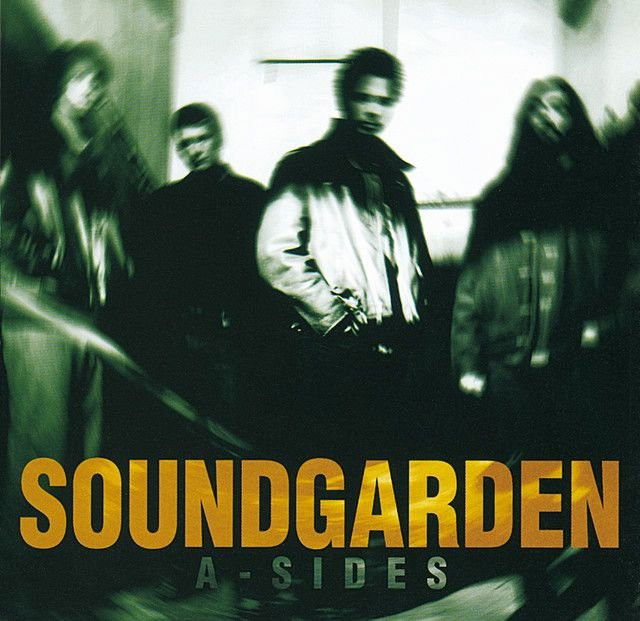
Spoonman by Soundgarden
Soundgarden turned a street performer into a hard-rock symbol of dignity, rhythm, and misunderstood identity.
"Spoonman" - Soundgarden
Provided by LyricFindOh
Mmm
Feel the rhythm with your handsLoading...Loading lyrics...
Unable to load lyrics
We're unable to display the lyrics at this time. Please try again later.
Why the meaning of Spoonman Soundgarden still stands out
The meaning of Spoonman Soundgarden starts with a real person: Artis the Spoonman, a street musician who became the song's subject and guest performer. The track was written by Chris Cornell and released on February 7, 1994, as the lead single from Superunknown; Artis also played spoons on the recording and appeared in the video.^1
What makes the song special is that it is not just a portrait. It is also a challenge to the way people judge others. Cornell explained that the song was about the “paradox” of who Artis was and how strangers perceived him.^1 In other words, people might see a street performer and assume failure, while Cornell saw skill, independence, and a kind of truth.

Watch the official Spoonman
music video
A song about respect, not stereotype
At the lyric level, the song keeps returning to rhythm, hands, and bodily motion. Phrases like feel the rhythm with your hands
and speak the rhythm on your own
frame music as something direct and human, not polished or elite. The song presents rhythm as a form of self-expression anyone can touch.
Interpretation: That is why the track feels bigger than a character sketch. Artis becomes a symbol for people whose value is easy to miss if someone only looks at status, clothes, or where they perform.
Cornell also denied rumors that the song was really about heroin.^1 That matters because it clears away a common grunge-era misreading. The lyrics may sound strange and fragmented, but the core idea is social perception, not drug metaphor.
The chorus turns admiration into a plea
The chorus is where the song becomes emotional. When it says come together with your hands
and repeats save me
, it sounds less like hero worship and more like a cry for connection. The singer is not standing above the Spoonman and describing him from a distance. They are reaching toward him.
Interpretation: The “save me” lines suggest that the Spoonman represents an alternative to fake social rules. His rhythm, self-possession, and outsider identity offer a kind of rescue from conformity. The song admires someone who seems free because he creates meaning with what is literally in his hands.
That reading fits Cornell's own comments that he identified more with Artis than with those who judged him.^1 So the chorus is not random. It turns respect into solidarity.
The strangest images have a purpose
One of the song's most discussed lines is all my friends are Indians
, followed by imagery of bones and skeletons. These lines can sound cryptic, and they should be handled carefully.
Interpretation: Rather than taking them as literal claims, they work like rough-edged countercultural images. The references to “brown and red” and people who beat the rhythm with their bones
suggest a deeper, older, more physical form of rhythm than modern social polish. The song keeps pulling away from surface respectability and back toward something primal, communal, and handmade.
That does not make every image fully clear. Soundgarden often wrote in a way that favored mood over tidy storytelling. But the lyric fragments do connect: rhythm becomes identity, and identity becomes a test of whether society can recognize real worth.
How the music carries the message
The production helps explain the song as much as the words do. The finished Superunknown version transformed an earlier acoustic idea tied to the film Singles into a full-band attack.^1 The result is heavy but agile.
The main riff famously moves in 7/4 before the chorus shifts into 4/4, with part of the spoon feature moving again into 3/4.^1 Listeners may not count those changes, but they feel them. The song lurches, then locks in, then opens up. That unstable groove mirrors the song's larger point: real life and real art do not always fit neat boxes.
Handmade percussion, handmade identity
Artis's spoon performance is not decoration. It is the thesis of the song made audible. Matt Cameron also added pots and pans, pushing the track even further away from clean, standard rock percussion.^1 The sound world says that music can come from ordinary objects, just as value can come from unexpected people.
That is why “Spoonman” feels so physical. The listener hears metal striking metal, hands making time, and a band building around a street musician instead of merely referencing him.
From local inspiration to major rock statement
The song's history adds another layer to its meaning. The title came from a list of fictional names connected to the movie Singles, and Cornell developed it into a real song before Soundgarden cut the famous studio version.^1 What began as a quirky idea became one of the band's biggest statements.
Commercially, it landed hard: the song reached No. 3 on Billboard's Mainstream Rock chart and won the 1995 Grammy for Best Metal Performance.^1 That success is almost poetic. A song about a street performer and social misjudgment became a mainstream rock triumph.
Final take on Soundgarden's message
The meaning of Spoonman Soundgarden is best understood as a defense of the outsider. It celebrates rhythm as human truth and pushes back against shallow judgment. Through jagged riffs, unusual time signatures, and Artis's unforgettable spoons, the band turns one performer into a larger statement about dignity and perception.
Readers can hear it as admiration, solidarity, or even a plea to reconnect with something more honest. Interpretation: The song suggests that the people society underrates may be the ones who understand freedom best.
Disclaimer: Song meaning is always open to interpretation. This reading combines documented artist comments, musical context, and close lyric analysis.








