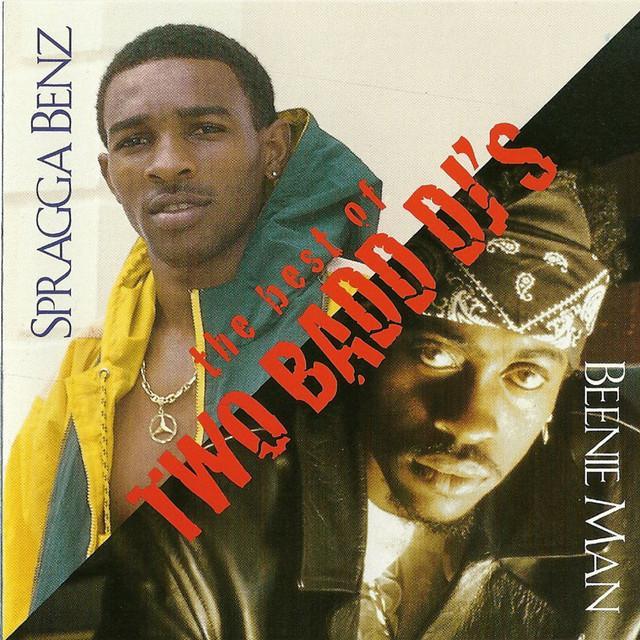
Why “Dolly House” by Spragga Benz Hits So Hard
The meaning of Dolly House Spragga Benz comes down to one clear message: this is a warning song about boundaries, jealousy, and public respect. The narrator believes another man has crossed a line with his partner, and he answers that move with threats, swagger, and zero patience.
"Dolly House" - Spragga Benz
Well when it come to me an my woman mi nuh joke
An a bwoy si mi an mi woman an mek di wrong approach
Loading lyrics...
Unable to load lyrics
We're unable to display the lyrics at this time. Please try again later.
Rather than sounding confused or heartbroken, they sound certain. That certainty is what gives the song its force. It is less about romance in a soft sense and more about control, status, and the idea that disrespect in love is also disrespect in public.
A Relationship Song Turned Street Warning
At its core, “Dolly House” treats a romantic relationship like protected territory. The chorus says no man can play dolly house
with his woman. In plain terms, the narrator refuses to let anyone treat the relationship like a toy, a game, or a casual experiment.
That phrase matters because it sounds almost playful, yet everything around it is violent and severe. The contrast makes the hook hit harder. A childish image gets flipped into a badman threat, which is part of what gives the song its sting.
Interpretation: the title image suggests the narrator sees the rival as immature. He is not just angry; he also feels insulted that someone would test him so openly.

Watch the official Dolly House
music video
Who Is Speaking in the Lyrics?
The voice is first-person and deeply confrontational. From the opening lines, they position themselves as someone who does not joke about their woman. When they hear a rival make the wrong approach
, the song moves straight into retaliation.
This voice is important to the meaning of Dolly House Spragga Benz because it never pauses to reflect. There is no debate about trust, no inner conflict, and almost no attention given to the woman’s point of view. The song is about the speaker’s reaction.
That tells listeners a lot about the worldview inside the track. Respect is coded as masculine power. A challenge must be answered. To back down would, in the narrator’s eyes, mean weakness.
How the Story Moves From Talk to Threat
The song unfolds in a simple but effective sequence:
- The narrator spots or hears about a rival approaching his partner.
- He treats that move as direct disrespect.
- The chorus repeats the threat of what happens next.
- Later verses add details about boasting, image, and confrontation.
One verse centers on a man who gets bold and talks too much while passing by the narrator’s area. Another shows the narrator dressed sharply in Calvin Klein
and Versace
, which adds a layer of status display. The clothes are not random. They suggest he is visible, proud, and already carrying social presence before the conflict even starts.
Interpretation: those fashion references widen the song beyond jealousy. They turn it into a contest over image and dominance. The narrator is not only protecting a relationship; he is protecting a reputation.
Why the Chorus Feels So Memorable
The hook works because it is repetitive, simple, and direct. The repeated line about stepping in someone’s face creates a rhythm of warning that listeners can remember after one play. That repetition also mirrors obsession. Once the speaker feels disrespected, they circle the same threat again and again.
There is also a social angle in the line about not caring if the rival is a sargeant or general
. The point is that rank or authority does not matter. In the narrator’s code, personal disrespect overrides everything else.
This is where the song becomes larger than a jealous outburst. It starts sounding like a declaration of identity. The speaker presents themselves as someone who cannot be intimidated, whether by street rivals or official power.
Sound, Style, and Dancehall Energy
The song was written by Dave Kelly, a major Jamaican songwriter and producer associated with many defining dancehall records. That credit matters because Kelly’s style often sharpened songs into highly quotable, rhythm-first statements. “Dolly House” fits that mold: crisp premise, hard hook, and verses built for impact.
Musically, the track uses a lean dancehall feel rather than lush emotional production. That matters for interpretation. A softer arrangement might have framed the song as heartbreak. Instead, the beat supports menace, confidence, and forward motion.
Spragga Benz’s delivery also carries meaning. They do not sound wounded. They sound alert, heated, and ready. The vocal attack turns each phrase into a challenge, which helps explain why the song lands as performance as much as confession.
Masculinity, Possession, and Alternate Readings
A straightforward reading is that this is a possessive warning to any man who tries to interfere with the narrator’s partner. That reading is strongly supported by the repeated chorus and the threatening language throughout.
A second reading is broader. Interpretation: the song may be less about love itself than about masculine identity under pressure. The woman becomes the spark, but the real issue is pride. The narrator wants to prove he is not weak, not passive, and not someone others can test.
That helps explain lines like one life to live
. The phrase pushes the conflict into a larger code of survival and toughness. Even references to drinking are framed not as looseness but as control: he may be under Guinness, but he insists he is not off balance.
Why the Song Still Connects
Part of the appeal is its blunt honesty. “Dolly House” does not hide its anger behind metaphor for long. It gives listeners a raw picture of possessiveness and pride in a dancehall setting where confrontation, wit, and status often share the same space.
For some listeners, that directness is the point. For others, the song can feel like a snapshot of a harder masculine code, one where love quickly turns into territorial defense. Either way, the meaning of Dolly House Spragga Benz stays vivid because every part of the song pushes the same idea: disrespect will be answered.
Final takeaway
“Dolly House” is best understood as a jealous-protective anthem powered by dancehall aggression. It mixes relationship conflict with public reputation, making the song feel less like a private argument and more like a public warning.
Disclaimer: This interpretation is based on the lyrics, performance, and dancehall context. As with any song, listeners may hear different meanings in the same lines.








