Why "Moonlight Feels Right" Still Glows
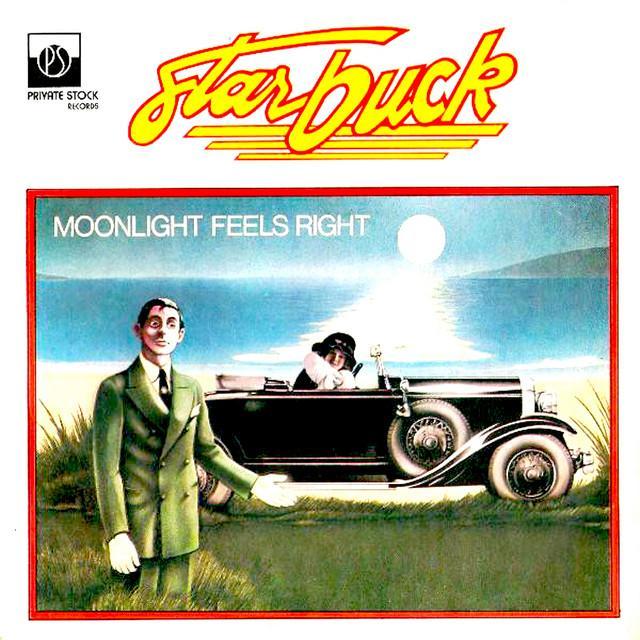
The meaning of Moonlight Feels Right Starbuck is both simple and effective: it captures the feeling of a romantic night when place, timing, and attraction all line up at once. Starbuck’s 1975 debut single, written by Bruce Blackman, became a major U.S. hit in 1976, reaching No. 3 on the Billboard Hot 100 and helping define a breezy soft-rock mood that still sounds summery today.
"Moonlight Feels Right" - Starbuck
I caught it in my hands today
I finally made a tricky French connection
Loading lyrics...
Unable to load lyrics
We're unable to display the lyrics at this time. Please try again later.
Factually, the song was released as Starbuck’s debut single from the album Moonlight Feels Right, written by Bruce Blackman and produced by Blackman and Mike Clark. It was recorded in Doraville, Georgia, and is commonly tagged as soft rock or jazz pop. It famously grew slowly on radio before breaking nationally in spring 1976 and eventually charted for months.
A Summer-Night Story in Miniature
At its core, the song tells a short story about desire becoming possible. The singer feels lucky, makes contact with someone he wants, and starts imagining a night drive, a shoreline, and hours spent together until sunrise. The key idea is not dramatic heartbreak or deep conflict. It is momentum.
That is why the opening matters. When the narrator says luck came their way, the song frames romance as something partly earned and partly gifted. A brief phrase like luck in my direction
suggests a change in fortune. They are no longer daydreaming from a distance; they finally have a chance.
Interpretation: This is one reason the song feels so light. It does not begin in pain. It begins in relief.

Watch the official Moonlight Feels Right
music video
The Chorus Turns Mood Into Meaning
The title line, Moonlight feels right
, is repetitive because it acts like a verdict. After the verses fill in the details, the chorus reduces everything to instinct. The night, the company, and the emotional temperature all seem correct.
That simplicity is the point. Instead of explaining love in a complicated way, the song trusts atmosphere. The moonlight is not just background scenery. It becomes the thing that gives permission, softens hesitation, and turns flirtation into closeness.
We'll lay back and observe the constellations
And watch the moon smilin' bright
Those lines are gentle, not flashy. They show how the song uses ordinary actions—lying back, looking up, listening to the radio—to build intimacy.
Places Matter More Than They First Seem
One of the song’s most charming moves is its use of real locations. Chesapeake Bay, Baltimore, Ole Miss, and southern radio stations all give the track a map. That makes the romance feel lived-in rather than abstract.
When the narrator promises to drop the top
by Chesapeake Bay, the image suggests openness, motion, and a little freedom. This is not a candlelit ballad trapped indoors. It is a coastal drive with air, water, and sky all around.
The mention of Baltimore and Ole Miss also hints at different worlds meeting. The woman in the song arrives with her own history, and the narrator responds with fascination. They are not just describing attraction; they are building a shared scene from personal details.
Interpretation: These place names help the song feel like memory. Even listeners who have never seen Chesapeake Bay can recognize the emotional truth of a perfect drive with the right person.
Romance, Suggestion, and the Edge of Morning
The song is sensual, but it is careful. It works through suggestion instead of blunt language. Phrases about the moon, tide, and sky all imply rising tension without saying too much.
For example, when the lyric points to a moon ready for a wet kiss
, the image connects nature and desire. The tide rising becomes a mirror for attraction growing stronger. The song keeps everything wrapped in weather, water, and light.
Then morning arrives. The pair stay out until sunrise, and that matters. A flirtation that lasts only a few minutes could feel casual. A night that stretches until Sunday morning feels fuller, almost suspended outside normal time.
Bruce Blackman’s Real-Life Spark
Background on the song supports this reading. Bruce Blackman has said the lyric grew from a real romantic pursuit, explaining that he became interested in a woman from Mississippi, kept trying to ask her out, and finally succeeded on the third try. That story gives extra meaning to the opening image of sudden luck.
This context does not mean every line is literal. But it does suggest why the song feels so specific. It is rooted in pursuit, anticipation, and the thrill of finally getting a yes.
Why the Sound Sells the Emotion
The arrangement is a huge part of the song’s meaning. Starbuck did not record a heavy rock anthem. They built a smooth, bright track with soft-rock ease and jazz-pop color. The famous marimba break is especially important. Its clean, playful tone makes the song feel sparkling and weightless.
That matters because the lyrics are about ease. The groove never crowds the words. Instead, it glides. The music gives the sense of warm air, open roads, and unforced chemistry.
In other words, the production makes the title believable. The moonlight does not just “feel right” in the lyric; the whole record feels right in the ear.
Why the Song Lasted
Part of the song’s staying power is that it does not overcomplicate itself. It offers a scene many people recognize: attraction sharpened by night, music, travel, and a sense that time has slowed down.
The meaning of Moonlight Feels Right Starbuck is not hidden behind puzzle-box writing. It is about romantic timing, light sensuality, and the small details that make one evening unforgettable. That is why the song still lands decades later.
Disclaimer: This interpretation separates documented facts about the song from reasonable reading of its lyrics and imagery. Like most pop songs, its meaning can vary from listener to listener.








