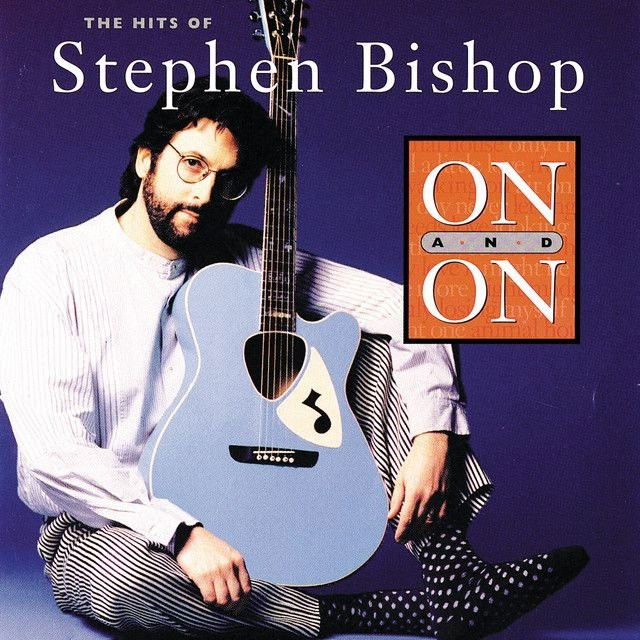
One More Night by Stephen Bishop
The meaning of One More Night Stephen Bishop comes down to a quiet but powerful plea: they want a little more time with the person who saved them from falling apart. It is a breakup song, but it does not sound angry or bitter. Instead, it sounds exposed, grateful, and deeply afraid of being left alone.
"One More Night" - Stephen Bishop
I'm something I'm not
They fill me with questions
Loading lyrics...
Unable to load lyrics
We're unable to display the lyrics at this time. Please try again later.
Stephen Bishop has long been known for soft, emotionally precise songwriting, especially in the 1970s singer-songwriter and soft rock world. He wrote hits like On and On
and Save It for a Rainy Day
, building a reputation for vulnerable, melodic writing, as noted in biographical overviews from AllMusic and Songwriters Hall of Fame. That background helps explain why this song feels so direct: they are not trying to impress the listener with complexity. They are trying to tell the truth of a breaking moment.
The Heart of the Song Is a Last Request
At the center of the lyric is a simple ask: one more night
. Before that plea arrives, the song sets up emotional pressure. The narrator feels judged and misunderstood by the outside world. When others tell them who they are, it only makes them feel more fractured.
That is why the loved one matters so much. The line pulled me out
suggests rescue. This person did not just offer romance; they gave emotional stability. So when the narrator says, in effect, do not leave now, the fear is bigger than ordinary heartbreak. They are losing a source of safety.
Interpretation: The song is not only about wanting romance to continue. It is also about dreading the return of an older pain that the relationship helped calm.

Watch the official One More Night
music video
A Speaker Caught Between Strength and Need
One of the most interesting parts of the lyric is its tension between toughness and fragility. In the second verse, the narrator notices a stranger at the train stop
crying. That image triggers memory. It reminds them of a time when they, too, could openly fall apart.
Now they claim they are strong. But the song makes that claim sound shaky. If they were fully secure, they would not be begging for one last night. This contrast is what gives the lyric its emotional pull: they want to appear healed, yet the chorus reveals how dependent they still feel.
Why the Train Image Matters
The train stop image brings in movement and separation. Trains suggest departure, missed chances, and emotional distance. Seeing a crying man in that setting turns the scene into a mirror. The narrator is looking at another person, but really they are seeing their own history of grief.
Interpretation: That brief detail implies they recognize heartbreak everywhere because they are still living inside it.
How the Verses Build Toward the Chorus
The song unfolds in a clean emotional sequence:
- They feel misunderstood by others.
- They admit one person helped them survive that pressure.
- They remember earlier, more open pain through a public image of sadness.
- They finally ask what they can say or give to stop the loss.
That structure makes the chorus hit harder. The request for have you near
is not casual. It comes after the listener understands how much emotional weight this relationship carries.
The later lines, where they would do anything and give everything, sharpen the desperation. The song never becomes dramatic in a flashy way, but the emotional stakes are huge. They are bargaining, not because they think it will work, but because they cannot accept silence yet.
Sound and Style: Soft Rock as Emotional Shelter
The song is identified here as rock, but its likely emotional home is softer rock or singer-songwriter balladry, which fits Bishop's broader catalog and style documented by AllMusic. That matters for interpretation. A song like this works best when the arrangement leaves room for vulnerability.
Instead of aggressive guitar or a hard rhythm section, the meaning is usually carried by gentler choices: warm chords, steady tempo, and a vocal that sounds close to the listener. In that kind of setting, the repeated title phrase lands less like a demand and more like a confession.
Interpretation: The production likely acts as emotional cushioning. It softens the plea so the song feels intimate rather than theatrical.
What the Song Says About Love and Identity
Another layer in the meaning of One More Night Stephen Bishop is identity. The opening lines are not really about romance at first. They are about social pressure and inner confusion. Others define the narrator, question them, and tear at their sense of self.
Then love enters as a form of rescue. That changes the song from a simple breakup story into something more fragile. Losing the relationship may also mean losing the version of themselves that felt understood.
This helps explain why the chorus is so modest. They are not asking for forever. They are asking for a pause, a delay, a final shelter. That small request makes the song sadder, because it suggests they know the ending may already be set.
Two Plausible Readings of the Ending
There are at least two strong ways to hear the song:
A breakup plea
The clearest reading is that a relationship is ending, and the narrator is trying to hold onto one final night of closeness before goodbye.
A confession of emotional dependence
A second reading is that the song shows how one person became the narrator's emotional anchor. In that version, the fear is not only losing love but losing the ability to cope.
Both readings fit the lyric, and both make the song resonate.
Why the Song Still Connects
What makes this song memorable is its honesty. It does not hide behind cleverness. It admits that people can feel stronger than they used to be and still break when the wrong person leaves.
That is why the song lingers. It captures the moment when gratitude, fear, memory, and longing all collapse into one request for more time.
Disclaimer: This interpretation is based on the lyrics provided, Stephen Bishop's known songwriting style, and common musical context. As with any song, meaning can remain personal and open to multiple readings.







