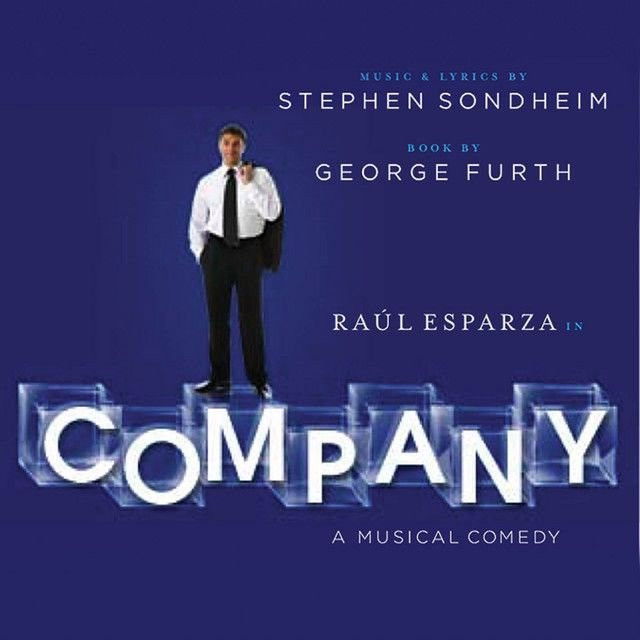
Why 'Being Alive' Hurts and Heals
The meaning of Being Alive Stephen Sondheim starts with a hard truth: love is not gentle all the time. In Company, the song arrives as Robert's late emotional breakthrough, and that timing matters. According to the show's history, it closes Act Two as Robert finally sees that staying detached may protect him from pain, but it also keeps him from fully living.[^1]
"Being Alive" - Stephen Sondheim
Someone to hurt you too deep
Someone to sit in your chair
Loading lyrics...
Unable to load lyrics
We're unable to display the lyrics at this time. Please try again later.
A Breakthrough at the Edge of Fear
Factually, Being Alive
is from Stephen Sondheim's Company, first staged in 1970, and it is sung by Robert, a 35-year-old bachelor at the center of the musical.[^1] By this point, they have spent the show watching other people's marriages from the outside.
The song turns that distance into confession. At first, Robert describes a partner as someone who can wound, crowd, and unsettle them. Phrases like ruin my sleep
and put me through hell
sound negative on purpose. They show how intimacy feels threatening when someone is used to control.
Interpretation: The song is not anti-love in those moments. It is showing the price of closeness from the viewpoint of someone who fears it.
Watch the official Being Alive
music video
From Complaint to Prayer
One of the most useful facts about the song comes from Sondheim himself. In Finishing the Hat, he explained that he worried a plainly happy ending would feel false, and credited director Michael Bennett's idea of using Robert's friends' spoken voices to help shape a number that moves from complaint to prayer
.[^2]
That phrase unlocks the song. The opening sounds like a case against commitment. Then the spoken interruptions challenge Robert's excuses for being alone. Those voices act like a chorus of conscience, pushing them to stop analyzing and start wanting.
But alone / Is alone / Not alive
This is the emotional hinge of the song. After so much hesitation, the idea becomes simple: solitude is not the same thing as fullness.
What the Lyrics Say About Love
The song works because it refuses fantasy. Robert does not ask for a perfect romance. They ask for a bond that is messy, demanding, and mutual. Short phrases such as know me too well
and crowd me with love
suggest a relationship where privacy shrinks, habits get disrupted, and another person's needs matter.
That is the point. The song says love is valuable not because it is easy, but because it forces growth. To be loved is also to be interrupted. To commit is to lose some comfort and gain deeper feeling.
Interpretation: The repeated wish to be shaken up suggests that Robert finally understands adulthood as shared vulnerability. Love is no longer a trap; it becomes proof that they are participating in life.
Character Context Inside Company
To understand the meaning of Being Alive Stephen Sondheim, it helps to remember what Robert has seen. Throughout Company, they observe several married couples and three girlfriends. The relationships are imperfect, sometimes comic, and often strained.[^1] Yet the song concludes that imperfection is still better than emotional isolation.
That is why the final lines feel earned. Robert does not suddenly become naive about romance. They stay aware that closeness brings fear. The key change is that fear stops being a reason to avoid connection.
Why the Spoken Voices Matter
The spoken lines in the song are easy to overlook, but they are crucial. They sound like friends pushing Robert toward honesty. Instead of letting the solo become abstract, those interruptions keep the scene dramatic and social.
In story terms, they remind the audience that Robert's crisis is not only private. Their friends have watched them avoid commitment for a long time.
How the Music Carries the Meaning
Sondheim's writing is famous for marrying language and music, and this song is a prime example. Many productions begin quietly, almost cautiously, with space around the vocal line. As the song develops, the harmony and intensity grow, matching Robert's shift from defense to desire.
The build matters as much as the words. Early sections can feel clipped and tense, as if the character is testing each thought. By the end, the repeated title phrase opens outward. The melody becomes more sustained and urgent, which makes the emotional release feel physical, not just intellectual.
Interpretation: The arrangement often mirrors a person learning how to ask for love in real time.
Why the Song Lives Beyond the Stage
"Being Alive" has lasted far beyond Company. It has been recorded and performed by many artists, and newer audiences know it from moments like Adam Driver's performance in Marriage Story.[^1] That reach makes sense because the song speaks to a common modern fear: wanting intimacy while also fearing what it demands.
Unlike many love songs, this one does not promise rescue. It promises friction, exposure, and mutual fear. Yet it still lands as hopeful because it argues that those things are part of being human.
The Lasting Takeaway
The meaning of Being Alive Stephen Sondheim is that love does not make life painless; it makes life vivid. Robert's journey is about choosing participation over distance. They begin by naming everything a partner can disturb, then end by asking for exactly that disturbance because it means they are no longer sealed off from feeling.
That is why the song still hits so hard. It understands that the bravest wish is not for safety, but for connection.
Disclaimer: This interpretation reflects the song's lyrics, dramatic context, and documented history, but like all art, it can support more than one valid reading.
[^1]: Wikipedia: "Being Alive" [^2]: Stephen Sondheim, Finishing the Hat (Knopf, 2009), as summarized in Wikipedia.







