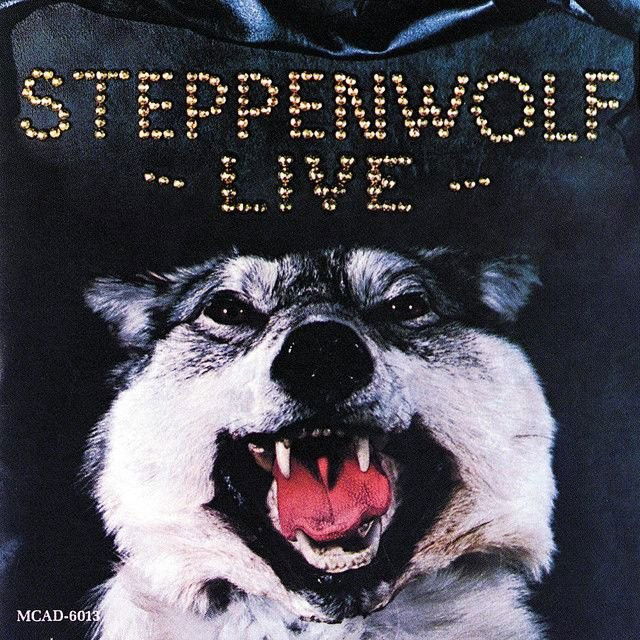
Why 'Born To Be Wild' Still Feels Dangerous
The meaning of Born To Be Wild Steppenwolf starts with a simple image: movement. The song throws listeners onto a highway and never really slows down. What makes it last, though, is not just its famous hook. It is the way Steppenwolf turns freedom into something loud, thrilling, and a little bit risky.
"Born To Be Wild" - Steppenwolf
Head out on the highway
Lookin' for adventure
Loading lyrics...
Unable to load lyrics
We're unable to display the lyrics at this time. Please try again later.
Released by Steppenwolf in 1968 and written by Mars Bonfire, the track became one of rock’s defining statements of rebellion. Its later use in Easy Rider helped seal that image in popular culture. Factually, it is one of the band’s signature songs and a landmark late-1960s rock single.
More Than a Biker Song
At first glance, the lyrics seem to describe a ride. Phrases like get your motor runnin'
and head out on the highway
set that scene right away. But the song is doing more than describing travel. It treats the road as a symbol of escape from rules, limits, and ordinary life.
The speaker is not interested in a destination. They are chasing possibility, captured in lookin' for adventure
. That matters because it shifts the song from a story about transport to a statement about identity. They are not just going somewhere; they are trying to become someone more open, bold, and alive.
Interpretation: This is why the song feels so universal. Even listeners who have never ridden a motorcycle can recognize the fantasy of breaking out of routine and meeting the unknown head-on.
Watch the official Born To Be Wild
music video
The Chorus Turns Freedom Into Identity
The chorus gives the song its deeper meaning. When it says born to be wild
, it presents wildness as something natural, not temporary. The idea is not that they want to act rebellious for a night. It is that rebellion feels built into who they are.
That idea is reinforced by the line about being a true nature's child
. The phrase links freedom to instinct. It suggests that rules, schedules, and social expectations are artificial, while the open road feels real.
Like a true nature's child
We were born, born to be wild
This short moment is the song’s emotional center. It turns a ride into a philosophy. Freedom here is not polite or careful. It is physical, emotional, and almost spiritual.
Big Images, Bigger Appetite
One reason the lyrics hit so hard is their oversized imagery. The song talks in bursts of action and sensation, not careful explanation. The world comes through smoke, lightning, engines, wind, and speed.
When the singer says heavy metal thunder
, they create a machine-powered storm. That phrase is famous partly because it sounds huge, but it also tells listeners what kind of freedom this is. It is not quiet peace. It is freedom felt through noise, danger, and force.
Then there is the explosive image of taking on everything at once. The lyrics imagine going so far into experience that ordinary limits disappear. Interpretation: This can sound joyful, but there is also a reckless edge. The song celebrates intensity so strongly that it brushes against self-destruction.
How Steppenwolf’s Sound Sells the Message
The music is a major reason the song became an anthem. Steppenwolf does not play the track like a gentle folk meditation on freedom. They make it hit hard. The guitar riff is thick and driving. The drums push forward like wheels on pavement. John Kay’s vocal has a rough authority that makes the lyrics sound lived-in rather than dreamy.
That matters for the meaning of Born To Be Wild Steppenwolf because the arrangement makes freedom feel physical. The listener does not just hear about adventure; they feel shoved into it. The groove is steady, but the distortion and attack add danger.
The production also helps explain why many listeners connect the song to early hard rock. Even though Steppenwolf came from the late-1960s rock scene, this track points toward a heavier future. The famous phrase about thunder has often been discussed because it seems to anticipate the language of heavy metal, even if the song itself sits more broadly in hard rock and blues-rock territory.
A 1968 Anthem With Perfect Timing
Context matters here. In 1968, American culture was full of generational tension, anti-establishment feeling, and new ideas about personal freedom. This song fit that moment perfectly. It gave rebellion a beat and a chorus simple enough for anyone to shout.
Its use in Easy Rider strengthened that meaning for many listeners. After that, the song was tied even more tightly to counterculture, motorcycles, and the romance of the open road. But the film connection did not create the song’s message; it amplified what was already there.
The Wildness Is Exciting — and Unstable
A smart reading should notice that the song is not purely innocent fun. The repeated desire to go bigger, faster, and higher carries tension. The line about never wanting to die does not sound calm. It sounds like someone staring down mortality by turning up life’s volume.
Interpretation: That gives the song two layers at once:
- freedom as joy
- freedom as risk
- motion as liberation
- motion as refusal to slow down and reflect
That double edge is why the song still feels alive. It does not reduce freedom to a slogan. It shows why freedom is attractive and why it can become dangerous.
Why the Song Still Connects
Steppenwolf’s classic endures because it turns a common dream into a full-body experience. The road, the engines, and the stormy imagery all serve one idea: life should be felt intensely, not timidly. That is the real meaning of Born To Be Wild Steppenwolf.
For some listeners, it is a liberation anthem. For others, it is a warning wrapped in a celebration. Both readings fit the song’s heat.
Disclaimer: This interpretation mixes established context with critical reading. Like most songs, “Born to Be Wild” can support more than one meaning.









