Why 'C'est la Vie' Feels Like Freedom
The Heart of the Song
The meaning of C'est la Vie Stereophonics comes through as a mix of romance, boredom, and escape. On the surface, it sounds like a lively alternative rock song about a couple circling each other. Under that, it is really about people who feel too big for the place they are in.
"C'est la Vie" - Stereophonics
You got the t-shirt, do you know how the song goes
You're looking good but the fact is you're lazy
Loading lyrics...
Unable to load lyrics
We're unable to display the lyrics at this time. Please try again later.
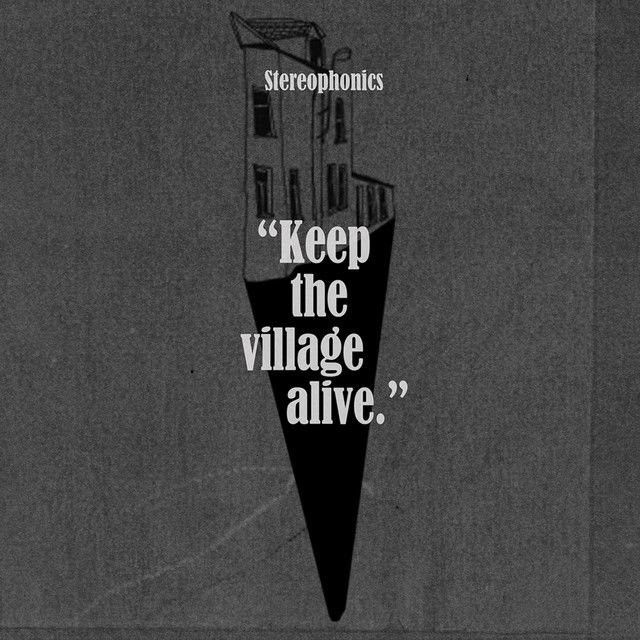
Kelly Jones wrote the song, and Stereophonics released it in 2015 as the lead single from Keep the Village Alive. The band announced the single and album during that campaign, framing it as a fresh, energetic return to punchy rock songwriting (Stereophonics official site, Wikipedia).
The key emotional clue is the repeated outsider line, we don't belong anywhere
. Paraphrased, the song says these characters do not feel at home in their town, their habits, or even their old identities. That is why the chorus lands less like self-pity and more like a dare.

Watch the official C'est la Vie
music video
A Story About Taking the Risk
The narrator and the “pretty baby” dynamic
The verses paint a vivid character sketch. The song addresses someone charming but immature, someone fun to be around yet hard to pin down. When the lyrics say king of the jungle
, they are not praising real power. They are teasing swagger.
That teasing matters. The speaker is not simply annoyed; they are also drawn in. The line about still having a soft spot reveals that attraction survives frustration. This gives the song its tension: they can see the other person clearly, but they still want to jump.
Missed signals become a turning point
The fairground image near the chorus gives the song one of its clearest emotional snapshots. The mention of the Ferris wheel
suggests a public, youthful place where the narrator realizes they missed a sign. In plain terms, they now see that the other person had been looking back all along.
That moment turns confusion into motion. Instead of dwelling on regret, the song pushes forward into action: dance, drive, leave, sing, go.
Why the Chorus Hits So Hard
The chorus uses set me free, c'est la vie
to combine two ideas that do not always sit together: surrender and choice. “C’est la vie” means “that’s life,” but here it does not sound passive. It sounds like acceptance used as fuel.
Come on pretty babytake a chance on me
This brief hook is the emotional center of the song. Paraphrased, they are saying: life is uncertain, so stop waiting for certainty. Choose the person. Choose the road. Choose the moment.
That is why the song feels so open-hearted. It admits fear, but it refuses paralysis.
The Images That Carry the Meaning
Stereophonics pack the lyric with moving objects and temporary places: convenience stores, trains, stations, radios, street lights, and the rearview mirror. None of these are stable homes. They are in-between spaces.
Those details support the main theme. The characters are always in transit, physically or emotionally. Even the bottle image suggests drifting without direction until someone finally pulls the cork and lets the wind in. Interpretation: this can be heard as a metaphor for breaking routine and letting life become messy again.
The final image of the rearview mirror is especially important. Looking back, the speaker can smile. That changes the song from a simple party anthem into a memory piece. What once felt chaotic now looks meaningful because it led somewhere.
How the Sound Supports the Lyrics
The production helps explain the meaning of C'est la Vie Stereophonics. The track runs on bright guitars, a driving beat, and a rough, pub-ready singalong energy. It sounds loose enough to feel spontaneous but tight enough to hit like an anthem.
That musical choice matters. If the same lyric were sung over a slow ballad, it might sound defeated. Here, the band gives it lift. Jones's vocal delivery pushes words out with grit and grin at the same time, which keeps the song balanced between frustration and affection.
The result is a song where uncertainty feels exciting. The music does not erase the characters' confusion. It makes confusion feel survivable.
Two Strong Ways to Read It
Interpretation 1: a love song about timing
One reading is that this is mainly a song about two people who finally admit their pull toward each other. The invitations to dance, stay, and take a chance all support that view. In this reading, “c’est la vie” means accepting imperfect timing in love.
Interpretation 2: a small-town escape song
Another reading is broader. The lyric about getting out of town and the constant travel images suggest a rebellion against being stuck. In this version, the romance is part of the escape, but not the whole point. The real subject is growing up and leaving old limits behind.
Both readings fit because the song ties love and freedom together. The other person is not just a crush. They are also a route out.
Why It Still Connects
Part of the song's appeal is its plain language. It does not hide behind abstract poetry. Instead, it uses familiar scenes and quick character details to capture a very common feeling in youth and early adulthood: knowing they cannot stay the same, but not yet knowing exactly what comes next.
That is why the hook stays with listeners. “That’s life” can sound resigned, but Stereophonics turn it into momentum. They make acceptance sound like a beginning.
Final Take
The meaning of C'est la Vie Stereophonics is about embracing uncertainty with someone beside them. It is a song about flirtation, missed chances, and the urge to leave a too-small world behind.
Its central message is simple: life will stay messy either way, so they might as well move. Interpretation note: song meanings are not fixed, and this reading is one informed view based on the lyrics, context, and sound.









