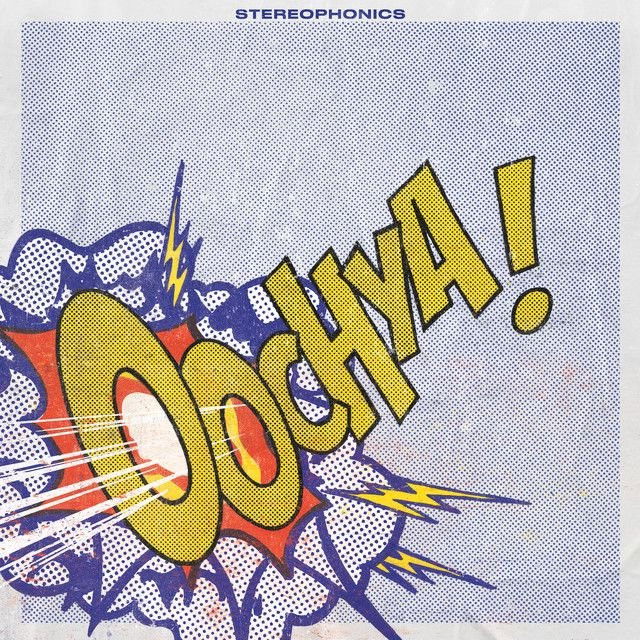
Do Ya Feel My Love? by Stereophonics
The meaning of Do Ya Feel My Love? Stereophonics comes down to one sharp emotional question: when one person gives everything, does the other person truly feel it—or just use it? The song turns that doubt into a simple, catchy hook, but the verses tell a sadder story of imbalance, rejection, and recovery.
"Do Ya Feel My Love?" - Stereophonics
I'm knocking at your door, just answer me
I can't breathe
Loading lyrics...
Unable to load lyrics
We're unable to display the lyrics at this time. Please try again later.
Stereophonics have built a long career on direct, plainspoken rock songs. The Welsh band formed in 1992 and has become one of the UK's most successful modern rock acts, with multiple number one albums and a reputation for muscular, emotional songwriting. Their catalog often works because Kelly Jones writes in a very human voice: specific enough to feel personal, but broad enough to fit many listeners' lives.
A Love Song That Sounds Like a Test
On the surface, this is a love song. The singer says their love is open and generous, even self-sacrificing. Early lines suggest total emotional exposure, summed up by phrases like What's mine is yours
and my heart and soul
. Those ideas frame love as giving without holding back.
But the song quickly complicates that generosity. The other person appears to take only what benefits them. The line about someone taking what they need suggests a one-sided bond, where affection becomes a kind of emotional transaction. That is why the title question matters so much: it is not flirtation. It is a demand for emotional honesty.
Interpretation: The chorus asks whether love has been felt, returned, or even respected. In that sense, the song is less a celebration of romance than a confrontation inside it.

Watch the official Do Ya Feel My Love?
music video
The Story Moves From Need to Defiance
One of the strongest things about the lyric is its emotional arc. The first half sounds needy, wounded, and almost panicked. The image of someone knocking at your door
suggests urgency, while I can't breathe
pushes that feeling into physical distress. This is not mild sadness; it feels like abandonment hitting the body.
Then the song asks a painful hypothetical. If the speaker lost everything, would the other person help—or make things worse? That question reveals the relationship's real problem. It is not just that love faded. It is that trust has broken.
By the second verse, the tone changes. The speaker looks back on shared time with some tenderness, but they now admit that things changed and could not be saved. Most important, they stop begging. Instead of waiting for rescue, they decide they will not crawl for it.
Three key beats in the lyric
- They give love fully and expect an answer.
- They realize the relationship may be one-sided.
- They reclaim self-respect, even while still asking the central question.
That shift gives the song its emotional kick. It is wounded, but not helpless.
Why the Chorus Hits So Hard
The repeated hook Do ya feel my love
sounds simple, but it does a lot of work. Repetition can mean longing, but it can also mean disbelief. The more often the question comes back, the less certain the answer feels.
The added word Today, today
makes the demand immediate. The speaker is not asking about old memories or past promises. They want clarity now. That detail keeps the song in the present tense emotionally, even as it looks back on what went wrong.
Interpretation: The chorus may be heard in two ways at once:
- as a plea for reassurance
- as a final test the other person is failing
That double meaning is what makes the hook memorable. It is catchy enough for a rock chorus, but uneasy enough to carry real hurt.
Sound and Delivery Matter as Much as the Words
Even without detailed production credits here, the song reads like classic Stereophonics: sturdy rock structure, a chant-like refrain, and a vocal that can sound bruised without losing force. That balance fits the band's long-running appeal. They have often been described as gritty, melodic, and emotionally direct, with Jones's rough voice helping ordinary lines feel lived-in.
In a song like this, that kind of delivery matters. If sung too sweetly, the lyric could feel passive. If sung too aggressively, it could feel bitter. The likely middle ground—strong but wounded—matches the song's turning point from dependence to resolve.
The repeated chorus also suggests a communal, almost live-band energy. Stereophonics have spent decades building an audience for anthemic rock songs, and this hook fits that strength. A crowd can sing it, but the words still carry personal pain.
Artist Context Adds Meaning
Kelly Jones has long been the band's emotional center, and Adam Zindani is also credited here as a writer. That matters because Stereophonics often succeed when they keep things uncluttered. Rather than hide behind abstract poetry, they usually aim for blunt feeling. This song follows that tradition.
That approach also helps explain why the lyrics are easy to connect with. There is no complicated storyline. Instead, they focus on common fears: being taken for granted, loving harder than the other person, and wondering whether the relationship was ever equal.
For U.S. listeners less familiar with the band, that emotional clarity is a good entry point. The song shows why Stereophonics have lasted so long: they write rock songs that feel conversational, but still land with force.
Final Take on the Meaning
The meaning of Do Ya Feel My Love? Stereophonics is not just about asking for love back. It is about realizing that love without reciprocity becomes painful, and then refusing to lose dignity in the process. The speaker begins exposed and desperate, but ends more self-aware.
That is what gives the song weight. It asks one question over and over, yet the real answer comes from the speaker's growth: if the other person cannot feel the love, they may not deserve it.
Disclaimer: This interpretation is based on the lyrics provided and general artist context. As with many songs, listeners may hear personal meanings that differ from this reading.









