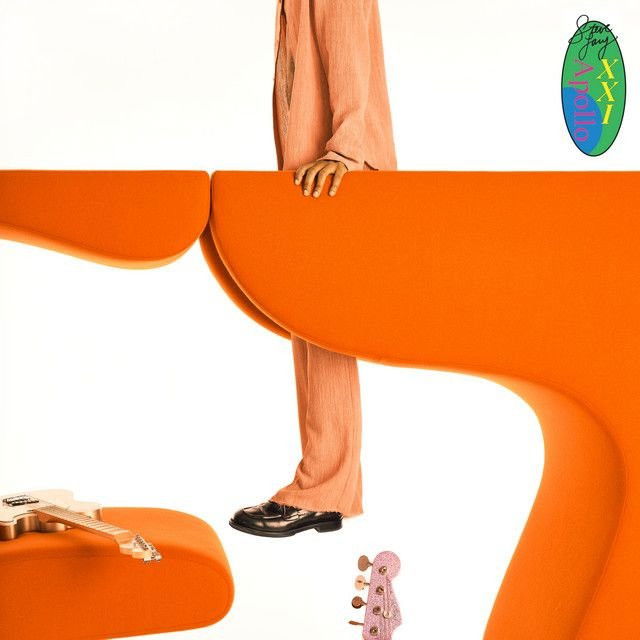
What 'In Lust We Trust' Really Means
The meaning of In Lust We Trust Steve Lacy starts with a simple idea: desire can feel urgent, funny, empty, and sad all at once. On the surface, the song sounds playful and physical. Under that surface, it hints at disappointment with shallow connection and the strange ways people ask for comfort when real intimacy feels out of reach.
"In Lust We Trust" - Steve Lacy
All over my body
Give some love
Loading lyrics...
Unable to load lyrics
We're unable to display the lyrics at this time. Please try again later.
Steve Lacy has often worked in a style that makes bedroom-funk sound loose, personal, and slightly off-center, from early work with The Internet to his solo catalog. That matters here, because this song turns a very direct subject into something more complicated through repetition, awkward imagery, and a stripped-down sound.
The Core Message Hides Inside the Joke
At first, the lyrics seem to chase touch with almost childlike bluntness. The speaker asks for physical affection and lists body parts in a way that feels more needy than seductive. Phrases like I want some touch
and all over my body
make the need sound immediate, not romanticized.
That directness is important. This is not polished love poetry. It sounds like someone blurting out hunger for contact before they can organize their feelings. In that sense, the song is about lust, but also about emotional shortage.
Interpretation: the title phrase suggests a replacement religion. Instead of faith in love, trust is placed in appetite. That is both funny and bleak. The line about being tired of empty encounters makes the point clearer: the speaker seems fed up with sex that has no feeling, yet they still return to desire as the only available language.

Watch the official In Lust We Trust
music video
Why the Car Image Matters So Much
The strangest image in the song is the repeated request to get into or live inside someone else's car. On paper, it sounds absurd. In context, it works like a symbol for access, closeness, and temporary shelter.
A car is private, mobile, and enclosed. It is not a home, but it can feel like one for a moment. When the speaker repeats inside of your car
, they seem to want more than a ride. They want to be let into a protected space that belongs to someone else.
That image also keeps the song from becoming ordinary. Rather than use standard romantic symbols, Lacy chooses something awkward and specific. That awkwardness gives the track personality, but it also suggests how clumsy desire can sound when someone does not know how to ask for love directly.
A Small Story of Want, Then Retreat
There is a clear movement across the lyrics, even though they are brief. The first half pushes inward. The speaker wants touch, kisses, and entry into another person's space.
Then the song pivots. After admitting frustration with “meaningless” intimacy, the repeated car line changes direction. Instead of wanting in, the speaker wants out. That reversal matters more than the song's short length might suggest.
These days, in lust we trust
Let me get up out of your car
This is the emotional turn. The song moves from craving contact to recognizing its limits. The speaker may still desire the other person, but they also seem aware that this setup will not satisfy them.
Sound and Production: Sparse, Close, Unsteady
Part of the meaning of In Lust We Trust Steve Lacy comes from how it sounds. Lacy is known for minimalist, DIY-minded production and a guitar-centered approach, heard throughout releases like Steve Lacy's Demo. Even without a huge arrangement, they create mood through space, repetition, and tone.
Here, the music feels intimate and a little unstable. The groove does not overwhelm the words. Instead, it leaves room for the odd details to land. That sparseness mirrors the song's emotional condition: there is desire present, but not much comfort around it.
The vocal delivery matters too. Rather than belting, Lacy often sounds conversational, even detached. That can make the lyrics feel funnier on first listen. But it also creates tension, because the calm voice carries words that are restless and unsatisfied.
Artist Context Helps Explain the Mood
Steve Lacy's songwriting often blends sensuality with uncertainty. Their work can be warm and catchy while still carrying tension underneath. That mix is part of why this song resists a one-note reading.
Factually, the song is credited to Steve Thomas Lacy-Moya. Beyond that basic credit, the important context is stylistic: Lacy's music often turns private thoughts into lean, memorable hooks. In this song, they do that by making lust sound both sincere and slightly ridiculous.
That balance likely shaped reception too. Listeners may laugh at the car image or the bluntness of lines like I grab your hips
. But the song stays with people because the humor does not erase the ache. It sharpens it.
Two Strong Ways to Read the Song
Reading One: Desire as a Substitute for Love
Interpretation: this is the strongest reading. The speaker wants physical closeness because emotional closeness feels unavailable. Lust becomes the fallback system, the thing they can still believe in when tenderness keeps failing.
The line about empty encounters supports that reading. So does the shift from moving closer to pulling away.
Reading Two: A Satire of Modern Hookup Logic
Interpretation: the song may also be poking fun at how people talk about sex and attachment now. The title sounds like a slogan. The repeated car image sounds intentionally exaggerated. In that view, Lacy is not just confessing desire; they are mocking the shallow scripts people use when they confuse access with intimacy.
Both readings can be true at once. The song can be self-aware and emotionally real in the same breath.
The Lasting Takeaway
The meaning of In Lust We Trust Steve Lacy is not simply about wanting someone. It is about what happens when wanting becomes easier than trusting, and when physical closeness starts to stand in for emotional safety. The song is witty, strange, and a little wounded.
That is what gives it weight. Beneath its brief, quirky lines, it captures a very modern feeling: people can know that shallow desire is not enough and still keep reaching for it anyway.
Disclaimer: This article offers interpretation based on the lyrics, recording context, and Steve Lacy's broader style. Song meanings can remain open, and different listeners may hear it differently.








