Why 'Foolish Heart' Still Hurts So Good
The meaning of Foolish Heart Steve Perry comes down to one simple struggle: they want love, but they do not trust their own heart to choose well. That tension gives the song its lasting power. It is not just a ballad about romance. It is a ballad about self-protection, loneliness, and the fear of repeating an old mistake.
"Foolish Heart" - Steve Perry
I don't want it unless I know
With each passin' hour
Loading lyrics...
Unable to load lyrics
We're unable to display the lyrics at this time. Please try again later.
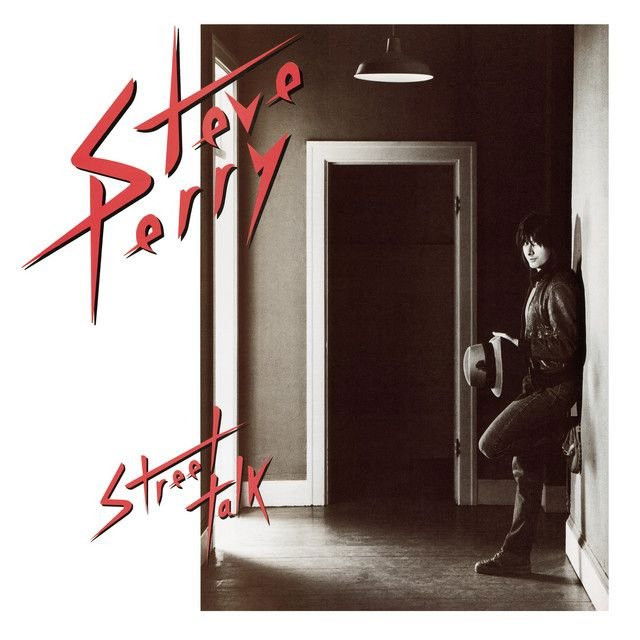
Released on Street Talk in 1984, the song became the final single from Steve Perry’s debut solo album, which also included the bigger hit “Oh Sherrie,” according to Songfacts. Even so, “Foolish Heart” may be the album’s most emotionally precise song.
The Real Conflict Lives Inside the Singer
At the center of the song, the narrator is not arguing with a lover. They are arguing with themselves. Early lines express a need for a steady relationship, not just a passing thrill. When they ask for a love that can grow and endure, the song frames romance as something that must feel safe, mutual, and real.
That is why the title matters so much. The heart is called foolish heart
not because love is foolish, but because the singer fears their own pattern. They have been hurt before, and now they are trying to stop the cycle before it starts again.

Watch the official Foolish Heart
music video
A Conversation Between Hope and Fear
The chorus works like self-advice. Phrases like hear me calling
and heed my warning
sound almost parental, as if the rational mind is trying to guide an impulsive emotional side.
This makes the song feel intimate. Instead of blaming someone else, the narrator admits the danger may come from inside. They know what attraction feels like. They also know how quickly hope can turn into pain.
Stop before you start falling
You've been wrong before
Those short lines capture the whole drama. The speaker knows love is arriving again, but they do not know if this new chance is wise or just familiar.
What the Verses Reveal About Loneliness
The verses are direct about emotional need. The singer says they are tired of being alone, yet they still hesitate. That contrast is the key to the song’s meaning. Loneliness pushes them toward connection, while memory tells them to be careful.
A small but important image appears when love is described as knockin' on the door
. This suggests opportunity, not certainty. Love is outside, waiting. The singer still has a choice about whether to open up.
Interpretation: The song’s deepest sadness may not be heartbreak itself. It may be the way heartbreak teaches someone to doubt their own instincts. In that reading, the “foolish” part is not loving too much. It is fearing that desire will overrule judgment again.
Why the Song Feels So Dreamy and Guarded
The production supports that inner conflict beautifully. Songfacts reports that Steve Perry and co-writer Randy Goodrum first built the song around a 4-track demo using a Fender Rhodes electric piano and a Linn drum machine. Goodrum said that early demo had a special “magic,” so the studio version recreated that same feel with similar keyboard tone and the same drum program, later adding players like Bob Glaub on bass and Michael Landau on guitar (Songfacts).
That matters because the sound is soft but steady. The electric piano glows instead of pushing. The drum machine pulses gently, giving the track a floating, almost suspended mood. It sounds like someone thinking late at night, caught between desire and restraint.
Perry’s vocal also carries the meaning. They sing with warmth, but there is control in the performance. Even at emotional peaks, the delivery does not explode. That restraint mirrors the lyric: the heart wants to leap, while the mind keeps pulling back.
Artist Context Changes the Reading
There is also useful context behind the writing. Songfacts says Perry co-wrote “Foolish Heart” with Randy Goodrum during a productive stretch that created four songs for Street Talk. Goodrum later explained that he often wrote by stepping into a character rather than simply telling his own life story. He described that method as becoming the person in the song for a while (Songfacts).
That detail is important. It suggests listeners do not need to read the song as a literal confession from Perry. Factually, it is better understood as a crafted emotional portrait: a lonely person standing at the edge of love, trying to stay wise.
A Lasting Meaning Beyond the 1980s
Part of the song’s appeal is how universal that portrait remains. Many people know what it feels like to want closeness and still fear the cost. The lyric does not mock vulnerability. It treats caution as human.
So, the meaning of Foolish Heart Steve Perry is not that the heart should never trust again. It is that love after disappointment becomes a negotiation between need and memory. The song lives in that fragile moment before surrender.
Final Take
“Foolish Heart” endures because it turns a private inner warning into a gentle pop ballad. It understands that the hardest part of love is sometimes not meeting someone new. It is believing their own heart can choose differently this time.
Disclaimer: This interpretation is based on the lyrics, performance, and available source material. As with any song, listeners may hear meanings that differ from the ones discussed here.








