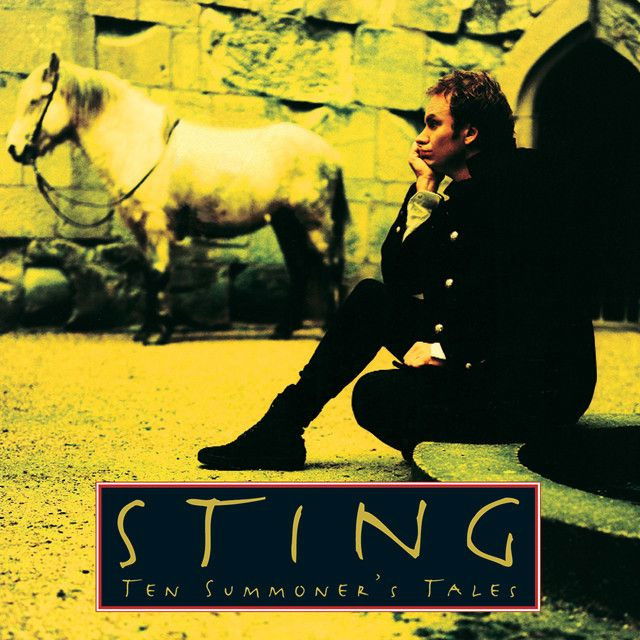
Fields Of Gold by Sting
They know this song for its quiet glow. But the meaning of Fields Of Gold Sting reaches deeper: it’s a promise story told through nature, where love ripens like grain and memory outlasts the season.
"Fields Of Gold" - Sting
Upon the fields of barley
You'll forget the sun in his jealous sky
Loading lyrics...
Unable to load lyrics
We're unable to display the lyrics at this time. Please try again later.
A Love Story Etched in Barley and Time
At heart, the song tracks a relationship from first rush to lifelong bond. The recurring image of fields of barley
becomes a private place where vows are made and remade. The narrator admits imperfection, yet chooses devotion for the years ahead. That mix—romance tempered by honesty—is why the song still resonates for weddings, anniversaries, and farewells alike.
Sting wrote and recorded it for his 1993 album Ten Summoner’s Tales, co-produced with Hugh Padgham. It became a hit (Top 20 UK; Top 25 US), and over time a modern standard. The pastoral setting draws on barley fields around his Wiltshire home, grounding love in a real landscape rather than fantasy.

Watch the official Fields Of Gold
music video
Who Speaks in These Golden Memories?
The voice is first-person, talking to a beloved “you.” Early lines show desire and commitment—will you be my love?
—yet the tone is gentle, not flashy. They ask to be remembered when the west wind moves
, tying their love to a specific season and place.
Interpretation: They sound older, looking back. The “you” is a lifelong partner who shared those summers. This perspective gives the song a calm authority; it’s not puppy love, but love that has seen a few storms and stayed standing.
From First Touch to Forever: The Timeline
- First summers: Two lovers meet among the grain. Passion and wonder bloom in a natural sanctuary.
- The vow: A proposal in plain words, promising to stay together.
- The truth: The narrator admits past failings, then chooses better.
I never made promises lightly And there have been some that I’ve broken
- The future: They pledge to spend the “days still left” together—
walk in fields of gold
—as time keeps moving. - Years on:
many years have passed
, and children run at sunset. Love has matured into family memory.
The Refrain’s Quiet Vow
The refrain keeps circling back to the fields and the jealous sky
. Interpretation: the “jealous” sun suggests time or fate, always watching, always taking daylight away. The lovers choose presence—lying in the grain, forgetting the clock—whenever life allows. The hook is not flashy; it’s a hush, a hand squeeze, a promise repeated.
Symbols That Shimmer: Barley, Wind, and Sun
- Barley fields: Cycles of sowing and harvest mirror courtship turning into commitment. What was once thrill becomes a stable, golden expanse.
- West wind: Change. It moves the surface like memory rippling through the mind; the past is alive whenever the wind returns.
- Jealous sky: A limit-setter. Interpretation: time, mortality, or envy of a love that seems to steal attention from the world.
- Children at dusk: Legacy. Love becomes communal—shared with the next generation and stored in place.
Together, these motifs make the setting feel sacred without religion. The landscape holds their vows.
How The Music Paints the Landscape
The arrangement is intimate: fingerpicked acoustic guitar, restrained rhythm, and a warm, close vocal. Co-producer Hugh Padgham is known for clarity; here the mix leaves air around each instrument, so words land softly. Subtle harmonica lines add breeze-like color.
Sting recorded the album at his Lake House in Wiltshire, keeping a lived-in, pastoral feel. Northumbrian smallpipes (heard at the ends of early verses) lend a Celtic tint, which makes the fields feel older than the two people in them—as if love is joining a tradition. Critics praised the song’s calm glow, and even Paul McCartney singled it out as one he wished he’d written, a nod to its classic craft.
Other Ways to Read It
- Elegy reading: Some hear a farewell—an older narrator asking to be remembered, as if nearing the end. The calm tone and sunset imagery support this.
- Reconciliation reading: The promise stanza sounds like contrition after past mistakes. Interpretation: The field becomes the site of a renewed vow, not a first one.
Both readings fit because the song never states an exact timeline for loss or regret. It trusts the images to carry feeling.
Final Takeaway: Why It Endures
The meaning of Fields Of Gold Sting lies in the balance of tenderness and truth. It admits human flaws, then chooses devotion anyway. By rooting love in wind, grain, and light, the song gives listeners a place to return to—real or remembered—whenever they need to feel a promise kept.
Disclaimer: Interpretation is subjective. This analysis reflects one informed reading of the lyrics, context, and production choices.









