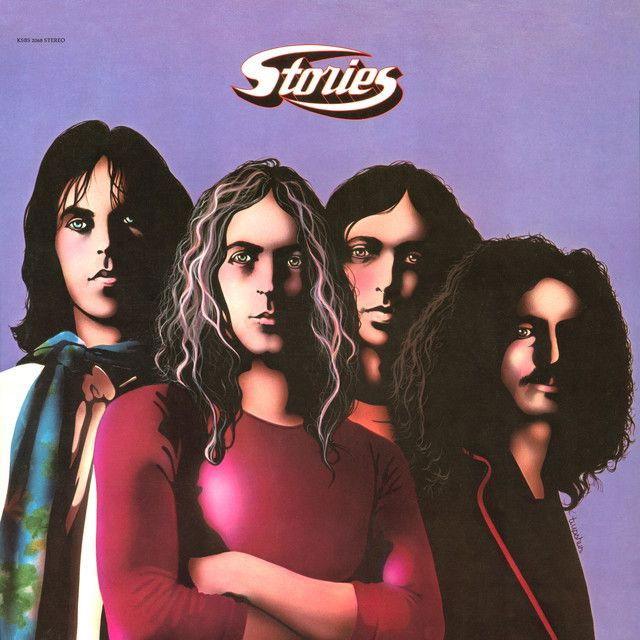
Why 'Brother Louie' by Stories Still Hits
The meaning of Brother Louie Stories comes down to a simple but heavy idea: love is easy to feel, but society makes it hard to live.
"Brother Louie" - Stories
Provided by LyricFindShe was black as the night
Louie was whiter than white
Danger, danger when you taste brown suga'Loading...Loading lyrics...
Unable to load lyrics
We're unable to display the lyrics at this time. Please try again later.
A Love Story Framed by Prejudice
Stories' 1973 hit tells the story of an interracial couple facing rejection from both sides of the family. The lyrics make that plain from the start, contrasting Louie as whiter than white
with his partner as black as the night
. The song is not subtle, and that directness is part of why it still lands.
Factually, the song was written by Errol Brown and Tony Wilson and first recorded by Hot Chocolate in 1973 before Stories turned it into a U.S. No. 1 hit later that year. Stories' version topped the Billboard Hot 100 and sold over a million copies, earning a Gold disc.
Interpretation: What gives the song weight is not just that it describes racism, but that it treats prejudice as something painfully ordinary. The relationship itself is presented as good and natural. The problem comes from everyone around it.
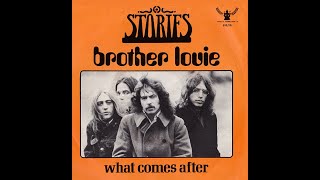
Watch the official Brother Louie
music video
The Plot Moves Fast, but the Hurt Runs Deep
The narrative happens in a few quick beats. First, Louie falls in love. Then the couple meet each other's parents. Then the conflict explodes.
One key line sums up the song's moral center: Nothing bad, it was good
. That phrase matters because it rejects the idea that the romance is shameful. The song insists the love is healthy, while the backlash is what makes things ugly.
Later, the lyric drives the point home with no diff'rence between black and white
. That is the clearest statement in the song. It turns the story from a personal drama into a social message.
A One-Scene Tragedy
The writing is almost cinematic. In just a few lines, they move from attraction to family confrontation to emotional fallout. The repeated warning about gonna cry
suggests that Louie already sees where this is heading.
Louie fell in love overnight
Nothing bad, it was good
When he took her home
Louie knew just where he stood
That short moment captures the whole arc: hope, sincerity, and then a harsh reality check.
What the Chorus Really Does
The chorus is simple, repetitive, and memorable. Repeating Louie's name makes the song feel like a public warning, almost like a crowd watching events unfold. Then the phrase you're gonna cry
lands like a prediction.
Interpretation: The hook matters because it shifts the song from storytelling to fate. The verses explain what happened, but the chorus tells listeners what racism does: it turns love into grief.
There is also a subtle tension in how catchy the chorus is. They can sing along to it easily, even as the subject stays painful. That contrast helped the record work on pop radio without losing its message.
Why the Stories Version Feels Different
Hot Chocolate's original was a British soul record produced by Mickie Most, with a spoken-word section from Alexis Korner and string arrangement by Phil Dennys. Stories, an American band featuring Ian Lloyd, cut the song into a tighter rock-funk single produced by Kenny Kerner and Richie Wise.
That change matters to the meaning of Brother Louie Stories because sound shapes interpretation. Stories' version is leaner and punchier. The groove pushes forward, the guitars bite harder, and Lloyd sings with a rough, urgent edge. Critics have described it as a tense rock-funk performance, and that description fits.
Interpretation: Where Hot Chocolate sounds like a narrated social drama, Stories sound like they are trapped inside the tension. Their version feels more immediate, less observational.
Sound as Emotional Pressure
The beat keeps things moving even when the story stalls emotionally. That creates a productive friction: the music wants motion, but the couple keep hitting walls. The result is a record that feels danceable and uneasy at the same time.
That mix of rock, funk, disco, and blue-eyed soul also helps explain its crossover success in the United States. It could fit more than one radio lane at once.
Race, Reception, and a Harder Truth
One of the most interesting things about the song's legacy is who had the hit with it. Hot Chocolate, a multi-racial British soul band, scored a UK hit. But in the U.S., it was Stories, a white American rock band, who took the song to No. 1.
That fact does not change the song's message, but it does complicate its history. Interpretation: The success gap can be read as part of the song's larger story about race and acceptance. A song condemning racial prejudice became a bigger American hit when filtered through a white rock act.
That does not erase Stories' strong performance. It simply adds another layer to the song's meaning and reception.
Why It Still Connects
The song lasts because it is direct. It does not hide its subject in metaphor for long. Even the slightly awkward phrase brown suga'
points to racial desire and the danger society attaches to it.
Just as important, the song does not make the lovers the problem. It makes prejudice the problem. That moral clarity still feels sharp.
Final Take
The meaning of Brother Louie Stories is about interracial love under pressure, but also about the systems around that love: family judgment, social fear, and public shame. Stories turned that theme into a sharp, radio-ready hit without removing its sting.
This reading is an interpretation based on the lyrics, recording history, and reception. Songs can hold more than one meaning for different listeners.







