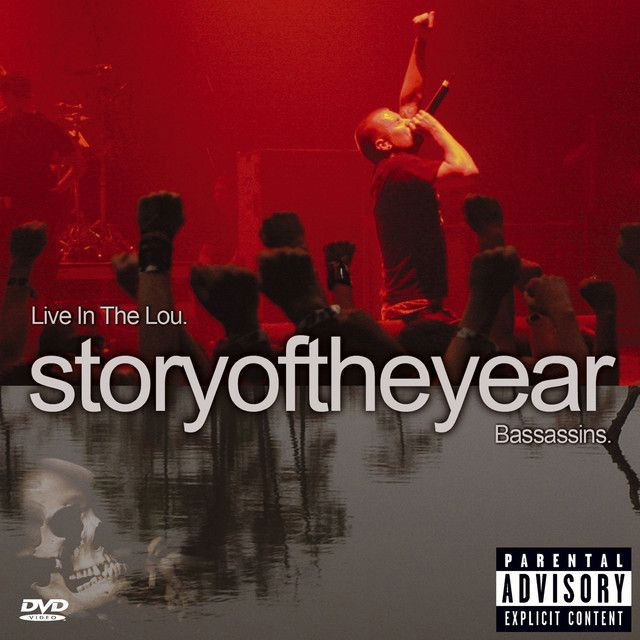
Until the Day I Die by Story of the Year
Story of the Year’s breakout single sounds like a love song at first. The hook is huge, the emotion is intense, and the promise feels absolute. But the meaning of Until the Day I Die Story of the Year is more complicated than simple romance.
"Until the Day I Die" - Story of the Year
I'll spill my heart for you, for you
Until the day I die
Loading lyrics...
Unable to load lyrics
We're unable to display the lyrics at this time. Please try again later.
Released to radio in 2003 and appearing on Page Avenue, the song helped push the St. Louis band into the mainstream, peaking at No. 12 on Billboard’s Alternative chart. According to Wikipedia’s song summary, vocalist Dan Marsala later explained that it was originally about the band’s own tense relationship while living and touring together, not just a boyfriend-girlfriend story.
More Than a Love Song
At its core, the song is about loyalty under pressure. The speaker is tied to someone so closely that devotion and resentment exist at the same time. When they promise Until the day I die
, it sounds noble. But the verses keep undercutting that certainty with pain, anger, and repeated mistakes.
That contrast is the key to the song’s power. It says a bond can be real even when it is messy. The line spill my heart for you
presents total emotional openness, yet the rest of the song shows how hard that openness is to sustain.
Interpretation: Many listeners hear this as a romantic relationship in crisis. That reading makes sense because the words are intimate and dramatic. But the band history adds another layer: this can also describe friendship, band brotherhood, or any intense bond where people fight, forgive, and keep going.

Watch the official Until the Day I Die
music video
The Push and Pull Inside the Lyrics
The verses are built around time, memory, and damage. Early on, the speaker says they race the clock
, which gives the relationship urgency. Time is not healing anything here. Instead, it keeps exposing the same flaws.
Then the song turns backward. The other person reminds the speaker of a version of themselves they once understood. That detail matters because the relationship is not only about love; it is also about identity. The bond reflects who they were and who they fear they have become.
A later section gets more violent in imagery, with the shocking phrase my hands are at your throat
. This does not need to be taken literally to work. In context, it shows the extreme edge of frustration, the moment when closeness becomes suffocating.
And I think I hate you
Remember when
Those brief lines capture the whole emotional cycle. First comes rage, then nostalgia. The song suggests that some relationships survive not because they are peaceful, but because shared history keeps pulling people back from the edge.
A Song About Band Brotherhood?
This is where context sharpens meaning. Marsala’s explanation that the track reflected the band’s internal love-hate dynamic changes how the lyrics land. Touring in cramped spaces, making big decisions, and chasing success can create the same emotional swings the song describes.
That reading makes details like repeated mistakes and mutual dependence feel even stronger. The speaker is not talking about a casual connection. They are trapped in a partnership they cannot easily leave, even when it hurts.
In that sense, the chorus becomes less like a love vow and more like a survival pact. They may argue, resent each other, and feel burned out, but the commitment remains. For a young band trying to hold itself together, that is a believable emotional center.
Why the Sound Hits So Hard
The music is a big part of the message. Produced by John Feldmann with the band, the track balances melody and aggression in a way that made it radio-friendly without sanding off its edge. Feldmann told Billboard that his job was to use each artist’s strengths, and that push helped make Page Avenue tighter and more direct.
The song opens with a driving riff, then moves fast into a soaring chorus. That structure mirrors the lyric tension: pressure in the verses, release in the hook. Marsala’s clean singing makes the promise feel sincere, while the harsher bridge brings out the buried anger.
That screamed section mattered in 2003. It helped the song stand out from cleaner pop-punk singles of the era, while still staying accessible enough for MTV2, Fuse, and alternative radio. The result is a track that feels both polished and unstable, which is exactly what the lyrics describe.
Why It Connected With So Many People
Part of the song’s longevity comes from its ambiguity. Teen listeners in the early 2000s could hear their own breakups in it. Friends could hear their own drama. Bandmates, siblings, or anyone stuck in a love-hate bond could hear themselves too.
The track also arrived at the right cultural moment. Page Avenue became a major success, eventually going Gold, and “Until the Day I Die” became one of the songs most tied to that era’s emo and post-hardcore crossover. Its feelings are oversized, but they are also easy to recognize: devotion, regret, anger, memory, and the fear of losing a connection that helps define you.
The Lasting Meaning
So what is the meaning of Until the Day I Die Story of the Year? Most clearly, it is about a bond that survives conflict without ever becoming simple. The song says love and hate can sit side by side, especially in relationships built on history, pressure, and need.
Interpretation: Whether listeners hear romance or band brotherhood, the emotional truth stays the same. This is a song about staying attached even when that attachment hurts.
That is why the chorus still lands. It is not a calm promise. It is a desperate one.
Disclaimer: Song meaning is always part fact, part interpretation. The reading above uses documented artist context, but individual listeners may connect with the song in different ways.








