Why 'Ah Me, Ah My' Feels So Human
A Small Song About a Very Big Feeling
The meaning of Ah Me, Ah My Strawbs comes down to a feeling most listeners know well: the ache of looking back at happier times while knowing they cannot return. The song is gentle, plainspoken, and deeply nostalgic. Instead of building a dramatic story, it uses ordinary objects and memories to show how the past keeps living in the present.
"Ah Me, Ah My" - Strawbs
I'd like to live on a farm again like I did for part of the war
I've got a few happy memories though we were rather poor
Loading lyrics...
Unable to load lyrics
We're unable to display the lyrics at this time. Please try again later.
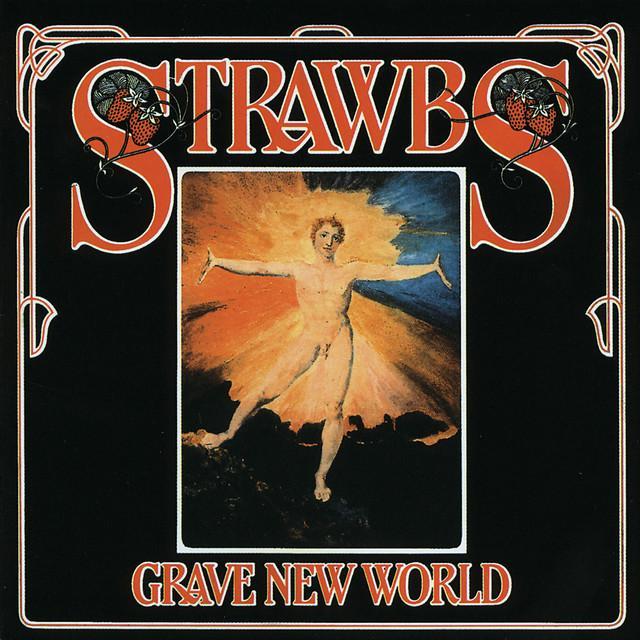
Written by Tony Hooper and performed by Strawbs, the song reflects the group’s early folk side. Strawbs began in the late 1960s and moved between folk, progressive rock, and pastoral songwriting across their catalog, as outlined on the band’s official history. That background matters here, because this track leans on the intimate, reflective style that made early Strawbs feel personal rather than flashy.
Watch the official Ah Me, Ah My
music video
What the Song Is Really About
At its core, the song is about nostalgia mixed with acceptance. The speaker remembers a time of hardship, family closeness, and simpler living. Yet the point is not that the past was perfect. In fact, one verse admits they were poor. That detail keeps the song honest. They are not praising suffering; they are mourning the loss of a feeling.
The refrain says this most clearly with things aren't what they used to be
. That line is not just social commentary. It sounds more intimate than political. The speaker feels the distance between then and now in daily life, relationships, clothing, and photographs.
Interpretation: The song suggests that memory softens edges. Even difficult periods can glow in hindsight because they hold youth, love, or belonging.
How the Verses Build That Feeling
Each verse focuses on a different kind of memory. Together, they create a full picture of how nostalgia works.
The Farm Memory
The first verse looks back to life on a farm during wartime. The speaker recalls a few happy memories and admits that those days are gone. By pairing hardship with warmth, the song avoids sentimentality. It says, in effect, that joy can exist even in lean times.
When the speaker says I'm only reminiscing
, that phrase sounds modest, almost apologetic. But it also reveals the song’s emotional engine. They know memory cannot change reality. Still, they return to it.
The Photographs
The second verse turns to old family images. The pictures have faded, but love still seems visible in them. That idea is powerful because photographs are both proof and reminder. They preserve a moment, but they also prove that the moment is over.
The key emotional turn comes with no substitute
. A picture can trigger memory, but it cannot replace a living person, a younger self, or a past home. The song’s sadness deepens there because remembrance becomes a kind of loss.
Ah me, things aren't what they used to be
Ah my, in days gone by
These lines sum up the whole piece. The repeated sighs are almost old-fashioned in wording, which fits the song’s backward glance.
Old Clothes, New Distance
The final verse uses clothing that has come back into fashion. This is a clever image because it shows the difference between style and time. The clothes may fit the era again, but they do not restore the life once lived in them.
That is why the line about those days being gone matters so much. Nostalgia often starts when an object returns, but the object cannot bring the old self back with it.
Why the Chorus Hits So Hard
The chorus is simple, but that simplicity is the point. Ah me
and Ah my
sound like sighs before they sound like statements. They carry resignation, tenderness, and age.
Interpretation: The refrain may be read as more than personal regret. It can also express a wider human truth: people keep trying to hold onto the past through stories, photos, and keepsakes, but time keeps moving. The song does not fight that truth. It just sits with it.
The Sound of Memory
Musically, the song’s meaning is strengthened by its likely folk-centered arrangement and restrained delivery. Strawbs were known for acoustic textures, close attention to melody, and narrative songwriting; their broader career is documented by AllMusic. In a song like this, a soft vocal, light accompaniment, and unhurried pacing make the memories feel domestic and real.
There is no need for a huge arrangement. A reflective song about faded photos and old clothes works best when the production leaves space around the words. That space mirrors memory itself: selective, quiet, and full of pauses.
Artist Context Matters Here
Tony Hooper’s writing often favored clarity over mystery, and this song benefits from that approach. Nothing in the lyric is hard to follow. Yet its emotional effect is strong because it trusts small details. Rather than reaching for abstract ideas about time, it talks about a farm, photographs, and clothing.
That choice places the song in a British folk tradition where ordinary life carries emotional weight. For American listeners, the setting may feel specific, but the meaning is universal. Almost everyone has looked at an old picture and felt the gap between what was and what remains.
A Gentle Song With a Lasting Meaning
The meaning of Ah Me, Ah My Strawbs is not hidden behind symbols or plot twists. It is about remembering, loving what has passed, and accepting that memory can comfort without restoring anything. The song’s greatness lies in how calmly it tells that truth.
Its sadness is real, but it is not bitter. They do not rage against time. They simply recognize that the past keeps its hold because it contains versions of life that can be remembered, but never relived.
Disclaimer: This interpretation is based on the lyrics, known artist context, and the song’s musical style. As with any song, listeners may hear different meanings in it.







