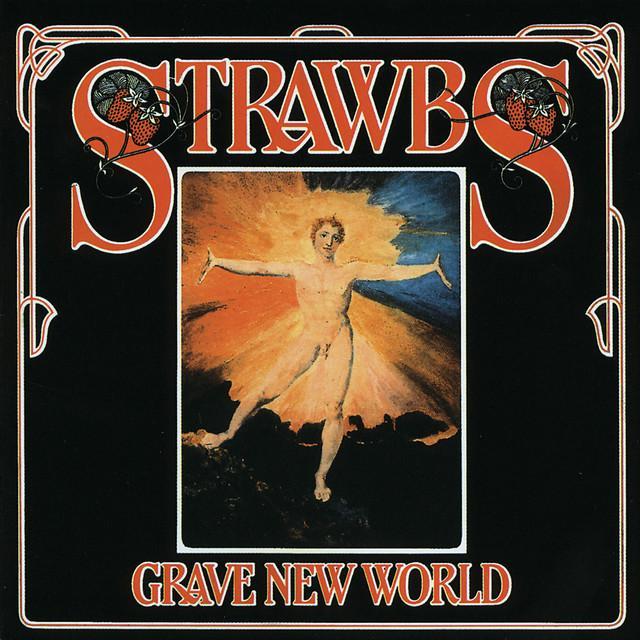
On Growing Older by Strawbs
A quiet song about regret that turns toward hope
The meaning of On Growing Older Strawbs centers on a simple but powerful idea: they realize time has been wasted, but they also realize life is not over. Instead of drowning in regret, the song moves toward attention, gratitude, and action.
"On Growing Older" - Strawbs
The scarecrow stood with its head held high
Admiring the view from the hill
Loading lyrics...
Unable to load lyrics
We're unable to display the lyrics at this time. Please try again later.
Written by David Cousins, the song fits the reflective side of Strawbs, the British group known for blending folk and progressive rock. In their band history, Strawbs often paired literary writing with acoustic textures and pastoral images. That background matters here, because this song uses fields, beaches, woods, and birds not just as decoration, but as mirrors for a changing state of mind.
Watch the official On Growing Older
music video
Nature is the first teacher
At the start, the singer looks at the world but admits they were not really present in it. Images like the scarecrow on the hill, the waterfall, and the still heron suggest beauty, calm, and order. Yet the key point is not just that these things exist. It is that the speaker once failed to value them.
The lyric phrase looked without seeing
says a lot in very few words. They were physically there, but emotionally asleep. That line connects to the broader theme of aging: growing older is not only about years passing, but about finally learning how to notice life.
This is why the first verse feels almost like a confession. They admit they chose to ignore nature's gifts. That honesty gives the song its emotional weight. It does not pretend wisdom came easily.
Desire changes with age
The second verse broadens the song's meaning. It compares youthful curiosity with more mature appetites, moving from beaches and tides to rich foods and then to the pull of a forest retreat. The point is not that one stage is better than another. It is that desire evolves.
When the song turns toward the forest glade and ancient oaks
, it sounds like a search for depth. Youth is linked to movement and appetite, while age brings a wish to pause, reflect, and disappear into something older and larger than the self. Interpretation: the forest may represent inner life, wisdom, or even spiritual rest.
This shift is central to the meaning of On Growing Older Strawbs. Aging is not treated as pure loss. It also opens new ways of sensing the world. The singer now wants stillness, shade, and thought, things they may once have overlooked.
The emotional turning point comes in retrospect
The last verse is where the song states its message most clearly. The speaker admits regret for a waste of my youth
, but they refuse to stay trapped there. Instead, they say they still have time before becoming long in the tooth
, an old phrase meaning truly old.
That mix of humor and honesty matters. The line softens the fear of aging while still facing it directly. Then the song pivots from memory to responsibility. They want to do what should have been done earlier, after a period when idleness led me astray
.
Here is the heart of the song's movement:
I still have time
before growing long in the tooth
Those lines do not erase regret. They answer it. The song argues that maturity becomes meaningful when awareness turns into effort. By the end, the speaker is extending their use of the day, which suggests discipline, purpose, and renewed attention.
How the writing style shapes the meaning
David Cousins wrote the song with a formal, almost poetic vocabulary. Words like glade, discerning, and retrospect give it a bookish tone, but the emotional idea is easy to grasp. The speaker has awakened late, yet not too late.
There is also a strong pattern in the verses: first observation, then self-judgment, then resolve. That structure keeps the song from sounding like a lecture. It feels lived-in. The singer does not claim to have mastered aging. They are in the middle of learning it.
From a literary angle, the natural scenes work as symbols:
- The hill and scarecrow suggest distance and perspective.
- The waterfall hints at beauty that keeps moving.
- The heron suggests patience and balance.
- The forest and old trees suggest wisdom and time.
Together, these images make aging feel organic rather than tragic.
How the sound likely carries the message
Strawbs built much of their early identity around acoustic folk textures before expanding into more progressive arrangements, as noted by AllMusic. In a song like this, that sensibility matters. Even without focusing on one flashy hook, the group's gentle phrasing and pastoral mood support the lyric's inward turn.
A reflective vocal delivery would fit the text because the song depends on sincerity more than drama. If the arrangement stays light and spacious, that would echo the themes of air, landscape, and contemplation. Interpretation: the music likely aims to create the same feeling the lyrics describe—slowing down enough to finally notice the world.
Why the song still connects
Many songs about aging lean hard into sadness or fear. This one is more balanced. It accepts missed chances but refuses despair. That makes it relatable for listeners in any stage of life, not just old age.
In that sense, the meaning of On Growing Older Strawbs is less about decline than awakening. The speaker learns that maturity is not merely losing youth. It is gaining sight. They begin by missing the world in front of them and end by choosing to use their remaining time better.
Final takeaway
Strawbs turn a private reflection into a gentle life lesson. The song says people may wake up late to beauty, purpose, or self-knowledge, but late is not the same as never.
That hopeful turn is why the song lingers. It treats aging as a correction of vision, where regret becomes useful only if it leads to fuller living.
Disclaimer: This interpretation is based on the lyrics, known artist context, and musical style. As with any song, listeners may hear different meanings in it.







