Why Stromae's 'Alors on danse' Hurts to Dance To
The meaning of Alors on danse - Radio Edit Stromae becomes clear the moment the song starts listing life's pressures. This is not a carefree club anthem. It is a sharp, catchy song about stress, routine, and the strange way people use music and movement to survive hard days.
"Alors on danse - Radio Edit" - Stromae
Alors
Alors
Loading lyrics...
Unable to load lyrics
We're unable to display the lyrics at this time. Please try again later.
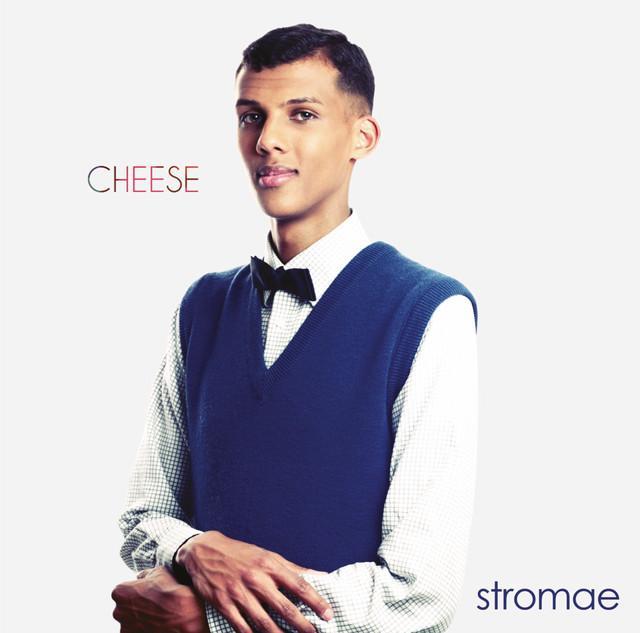
Released in 2009 and later included on Stromae's debut album Cheese, the song helped launch the Belgian artist to international fame. Stromae, born Paul Van Haver, wrote the track himself and is widely credited with its production on official release databases and label materials.[1][2] That matters because the song feels highly controlled: every beat serves its message.
A dance song built from everyday pain
At its core, the song shows a chain reaction of adult life. One problem leads to another. School leads to work, work leads to money worries, money leads to debt, relationships lead to family strain, and even close bonds can end in grief. Stromae presents these links almost like a grim equation.
That is why the hook lands so hard. After all the pressure, the answer is simply Alors on danse
— so, they dance. The phrase sounds liberating on the surface, but in context it feels more like a coping habit. They are not dancing because life is easy. They are dancing because everything else is too heavy.
Interpretation: the chorus suggests escape, but only temporary escape. The problems do not disappear. The body just keeps moving anyway.

Watch the official Alors on danse - Radio Edit
music video
How the verses turn stress into a cycle
One of the smartest parts of the song is its structure. The first verse moves step by step through social and personal burdens. Stromae uses quick links between ideas, creating the feeling that modern life is a trap with no pause button.
Short phrases like les thunes
and dit divorce
sketch money stress and broken relationships without needing much detail. Then the song widens out to larger suffering, touching on crisis and hunger. That shift matters. Stromae is not only singing about one person's bad week. They are showing a world where pressure exists at every scale.
Later, the song becomes more physical and emotional. The narrator reaches a point where they think it is over, only to realize y en a encore
— there is still more. That line captures burnout with painful accuracy. Just when relief seems near, another wave hits.
The chorus is not joy — it is survival
Many listeners first hear the track as a sleek European dance hit. That reaction makes sense. The beat is steady, the synth line is memorable, and the repetition is instantly catchy. But the chorus works because it clashes with the verses.
Instead of offering a solution, the refrain shows a ritual. People go out pour oublier
, to forget. They sing, shout, and dance not because they are healed, but because they need a break from thinking.
Alors on danse
Alors on chante
This brief switch from dancing to singing deepens the idea. When pressure becomes too much, the body reacts first, then the voice joins in. It is communal, almost desperate, but still human. The song understands that people often cope through shared noise and movement.
Why the production sharpens the meaning
The production is a huge part of the song's message. Stromae builds the track around a lean electronic groove rather than a warm, emotional arrangement. That choice keeps the song cool on the surface while the lyrics stay intense underneath.
The beat is repetitive, almost mechanical. This mirrors routine: wake up, work, spend, worry, repeat. The famous synth riff has a looping quality too, as if the song itself is stuck in the same cycle described in the lyrics.
Stromae's vocal delivery adds another layer. They do not sound overly dramatic. Instead, they sound controlled, conversational, and slightly detached. That restraint makes the song sharper. It feels like someone calmly describing a breakdown that has become normal.
Stromae's wider style helps explain the song
Stromae became known for pairing dance music with serious themes, something they would continue on later hits and albums.[3][4] That broader context helps explain why "Alors on danse" struck such a nerve. They were not just making people dance; they were smuggling social commentary into the club.
For U.S. listeners, this can be the key to understanding why the song lasted. It taps into a feeling that crosses borders: adults are overwhelmed, but public life still demands performance. Keep working. Keep smiling. Keep moving. In this song, that performance becomes dancing.
Two strong ways to read the song
Interpretation 1: A critique of modern life. The song maps out capitalism, debt, relationship strain, and global suffering as one connected system. Dancing becomes a pressure valve.
Interpretation 2: A portrait of the body under stress. The later lines suggest anxiety that settles into the body and will not stop. Music becomes both trigger and release.
Both readings fit because Stromae keeps the writing broad enough to feel social and intimate at once.
The lasting meaning of "Alors on danse"
The meaning of Alors on danse - Radio Edit Stromae is not that dancing solves pain. It is that people often need rhythm, repetition, and company just to carry pain for one more night. That is why the song still hits: it sounds like release, but it understands exhaustion.
Stromae turned a club track into a portrait of survival. That tension is what made it memorable then, and what keeps it meaningful now.
Disclaimer: This article offers interpretation based on the song's lyrics, sound, and public context. Meanings in music can vary from listener to listener.







