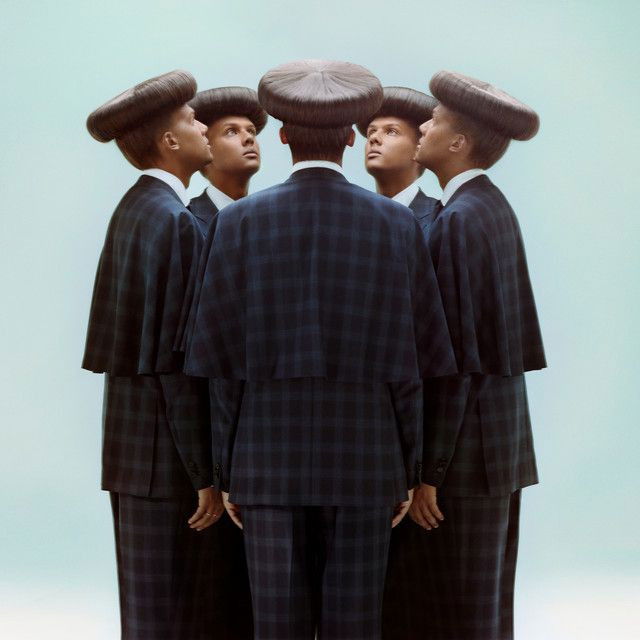
La solassitude by Stromae
Love can feel like a trap with no exits. That’s the core meaning of La solassitude, and it’s what makes the meaning of La solassitude Stromae so sharp: the title itself fuses solitude and lassitude, telling listeners that neither single life nor couple life offers peace.
"La solassitude" - Stromae
Vas-y viens on boit un verre
Ou si tu veux on l’ fait tout d’ suite
Loading lyrics...
Unable to load lyrics
We're unable to display the lyrics at this time. Please try again later.
A Portmanteau of Pain: What the Title Signals
“Solassitude” blends two French words—solitude (aloneness) and lassitude (fatigue). Right away, Stromae frames a double bind. The narrator aches when alone, yet also withers inside routine when paired. The song’s language stays plain and conversational, which keeps the theme grounded in real-life choices rather than grand romance.
Watch the official La solassitude
music video
What the Story Really Says
Across the track, a man named Nicolas chases relief in opposite directions and finds none. First, he flirts and seeks quick satisfaction, then shifts to long-term partnership and feels invisible. After a breakup, he misses even their arguments. The chorus captures the central stalemate:
Le célibat me fait souffrir de solitude
La vie de couple me fait souffrir de lassitude
Interpretation: The hook isn’t choosing sides; it says both states are painful for someone who can’t face his own restlessness.
Who’s Talking, and How We Know
The narrator declares himself with Enchanté, moi c’est Nicolas
. He’s confident, maybe cocky—until the mask slips. Early boasts like Les plans cul c’est mon quotidien
(casual hookups are my routine) paint a pose of control. But it’s brittle. As the verses move on, his voice grows doubtful, then exhausted. By the end, the same introduction returns, as if he’s restarting the loop rather than learning from it.
The Story in Three Acts
- Act I: The fling. He pushes for speed and convenience, then admits he can’t open up. He calls his boredom the real killer:
Le problème, c’est la routine
. - Act II: The long-term stage. Eight years in, they still share a bed, but
On s’éloigne petit à p’tit
. Small fixes feel pointless—Un resto, un week-end
—showing how date-night bandages can’t heal emotional distance. - Act III: The aftermath. After she’s gone, he regrets even their fights, realizes how much he complained, and circles back to that same greeting. The cycle resets.
Why the Chorus Hurts So Much
The refrain’s key line—Le célibat me fait souffrir
—lands because the verses have already shown why: he avoids vulnerability when single and avoids effort when coupled. Interpretation: The problem isn’t status; it’s a habit of disengagement that turns time into sameness. Repeating the hook like a mantra makes the trap feel inescapable.
Sound Choices That Mirror Routine
Stromae is known for blending electronic pulse with chanson storytelling. Here, a steady mid-tempo beat and looping bassline create a metronomic feel—like days that “resemble” each other. Subtle harmonies and stacked vocals soften the edges during reflective lines, while a more clipped delivery in the opening scene underscores transactional intimacy. Interpretation: the arrangement resists big drops or flashy turns on purpose, letting monotony be the point. When the narrator questions his appeal or energy, the sparse space in the mix leaves his doubts exposed.
Symbols and Little Details That Matter
- The bed: sharing space without connection underlines emotional absence.
- The weekend:
Un resto, un week-end
signals tired, prepackaged solutions that no longer spark. - Transparency: feeling “invisible” shows how routine can erase identity within a couple.
- The re-introduction: looping back to “Nicolas” hints at addiction to pattern as much as to people.
Alternate Readings Worth Considering
- Interpretation: Social critique. The song can read as commentary on modern time poverty—stretched attention and burnout make both dating and commitment feel joyless.
- Interpretation: Character study. “Nicolas” could be a mask, allowing Stromae to depict a recognizable type: someone who confuses novelty with meaning and routine with failure.
Takeaway for Today’s Listeners
The meaning of La solassitude Stromae resonates because it refuses easy answers. If boredom kills desire and fear blocks intimacy, no relationship status will fix that. The song asks listeners to face the inner engine of their cycles, not just switch lanes.
Disclaimer: This is one interpretation based on lyrics and style. Individual meanings may vary for different listeners.








