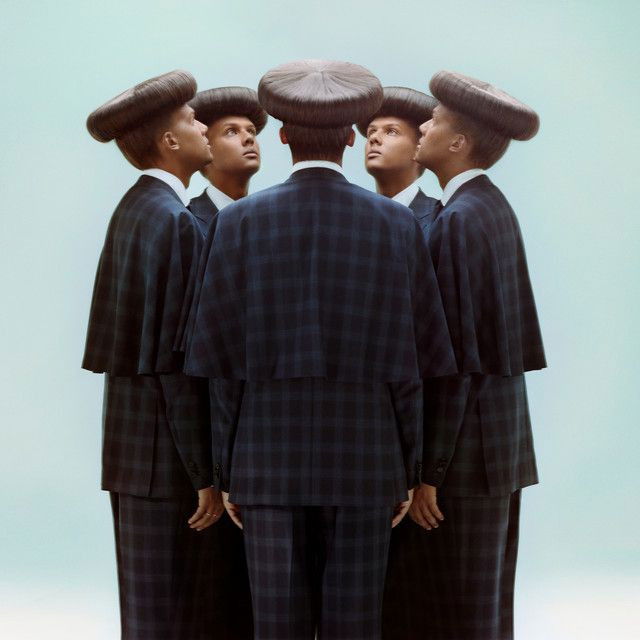
Mon amour by Stromae
A lover swears devotion with a smile—and a tell. Stromae’s Mon amour is catchy and comforting on the surface, but the character at its center keeps tripping over their own story. If someone is searching for the meaning of Mon amour Stromae, they’ll find a sly portrait of cheating, excuses, and the limits of charm.
"Mon amour" - Stromae
Mais avant, y avait Nathalie
Puis tout d'suite après, y a eu Laura
Loading lyrics...
Unable to load lyrics
We're unable to display the lyrics at this time. Please try again later.
A tender hook with teeth
The chorus leans on a soft incantation—mon amour, mon amour
—and the pledge tu sais qu'il n'y a que toi
. Heard alone, it’s romantic. In context, it’s ironic. Each vow arrives right after a roll call of past flings and half-confessions.
Interpretation: Stromae builds a pop lullaby that doubles as a spotlight. The sweeter the promise sounds, the sharper the contrast with what the narrator admits elsewhere. Listeners are meant to enjoy the hook and question the speaker at the same time.
Watch the official Mon amour
music video
Who’s talking—and who’s being fooled?
The song is in first person, addressed to a partner. The narrator keeps insisting it was over—c'était la dernière fois
—and even blames randomness, calling it la faute au hasard
. They ask for trust while dodging accountability.
Interpretation: This is classic gaslighting packaged as pop. The narrator is not a monster; they are ordinary, insecure, and funny at times. That realism makes the satire sting more. The lines reveal a person who wants love without responsibility.
The plot in three beats
- Temptation without remorse: The verse stacks first names like notches. It’s playful, but the quantity says enough.
- Excuses on repeat: The narrator swears it was the last time and rationalizes a “one-time” fling—
c'était juste un coup d'un soir
—as if labeling it small makes it harmless. - Collapse and jealousy: Once the partner leaves, the tone flips. Everyday life hits different; they miss the smell of the sheets and spiral into petty questions about the rival and themselves.
Interpretation: The timeline mirrors a hangover. Pleasure, then spin, then consequences. Stromae lets the character talk themselves into a corner until only self-pity is left.
What the refrain really says
On paper, tu sais qu'il n'y a que toi
is reassurance. In practice, it’s the mask that keeps slipping. The chorus repeats like a mantra because the narrator needs to believe it as much as they want the partner to believe it.
Interpretation: Repetition is a tell. Saying the same promise again and again exposes the gap between words and behavior. The hook is sugar that makes the satire go down.
Images and jokes that sting later
The domestic details—sheets, laundry, drawers—sound mundane, even comic. They also ground the regret. Alone, the character complains that life “has no taste” and peppers in jealous, insecure questions. What began as swagger ends as neediness.
When the narrator cries la vie est si injuste
, it lands as self-centered drama rather than tragedy. That line doesn’t describe the world; it reveals a mindset. They treat consequence as unfairness.
How the sound sells the lie
Mon amour rides a breezy electropop groove with a hint of tropical swing. The drums are clean and clipped; bass and synths glide. Backing vocals widen the chorus so it feels communal, like a crowd nodding along. It’s sleek and bright, the kind of track that invites dancing first and decoding later.
Interpretation: The production is the character’s charm. Light textures and a major-key lift make the narrator sound persuasive. That musical warmth frames the excuses as almost reasonable—until listeners catch the contradictions. Stromae is known for pairing heavy themes with dance-floor energy, and this is a model case.
The meaning of Mon amour Stromae, in short
It’s a character study of a cheater who wants to be forgiven without changing. The song shows how easy it is to hide behind romantic language, how humor can mask harm, and how regret can be more about wounded pride than empathy.
Culturally, it fits Stromae’s larger project: using pop craft and theatrical voices to examine messy parts of modern life. The narrator here is charming, yes, but the writing lets the mask slip in almost every verse.
Other angles listeners hear
- Interpretation: A satire of “apology culture,” where public phrasing matters more than private change.
- Interpretation: A portrait of fragile masculinity, seen in the flip from bravado to anxious comparison once the partner leaves.
- Interpretation: A reminder that addiction to validation can look like romance when set to a sugary chorus.
Takeaway
Mon amour is catchy enough to sing at a party and sharp enough to stick the next morning. It’s about the stories people tell when they don’t want to face themselves—and how even the loveliest refrain can’t cover the noise underneath.
Disclaimer: Song meanings are subjective; this article offers one informed interpretation based on lyrics, context, and production.







