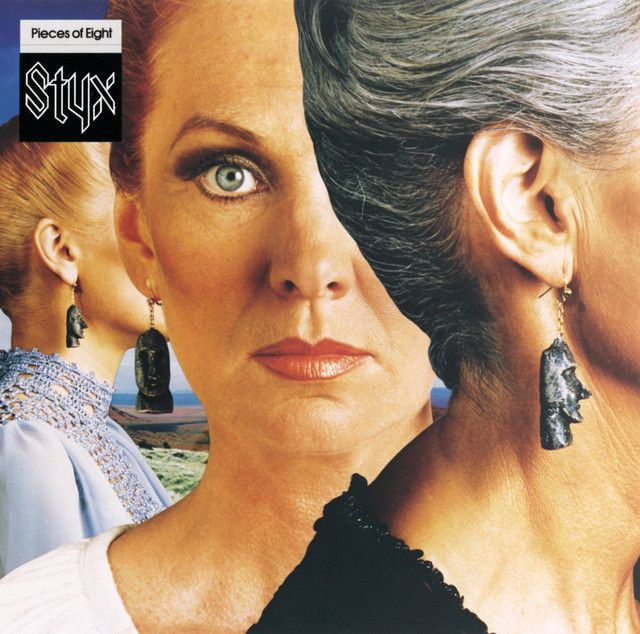
Queen of Spades by Styx
A dark warning hidden in a hard-rock story
The meaning of Queen of Spades Styx starts with a simple idea: the song turns luck, desire, and addiction into one dangerous woman. They present the Queen of Spades as a seductive figure who feels warm and thrilling at first, then cruel and inescapable by morning. The result is part love song, part gambling tale, and part cautionary fable.
"Queen of Spades" - Styx
How sweet is her warm embrace
Safe in the scent of jasmine
Loading lyrics...
Unable to load lyrics
We're unable to display the lyrics at this time. Please try again later.
Factually, “Queen of Spades” appears on Styx’s 1978 album Pieces of Eight, written by Dennis DeYoung and James “J.Y.” Young. That album is often described as a concept-minded record about not sacrificing dreams for money and material gain, which gives this song extra weight. In that larger setting, the track sounds less like a random spooky story and more like a warning about the price of temptation.

Watch the official Queen of Spades
music video
Who the Queen really seems to be
On the surface, they tell a story about a mysterious woman who arrives at night and disappears by day. The singer feels protected at first, wrapped in luxury and scent, but then wakes up empty and exposed. That shift is the key to the song.
Interpretation: the woman is not only a person. She also represents gambling itself, or any obsession that first feels glamorous and then takes control. The card image makes that reading hard to ignore. When the song says turn of a card
, it links romance to chance. When it says the first time is free
, it sounds like the opening move of a vice that hooks someone before demanding payment.
That is why the Queen of Spades works so well as a symbol. She is part lover, part dealer, part fate.
How the verses map the fall
The verses move in a clear cycle:
- Night brings comfort and pleasure.
- Morning brings loneliness.
- The narrator tries to leave.
- The force returns and tightens its grip.
Early images are soft and rich, suggesting safety and beauty. But Styx undercuts that mood almost right away. The comfort is temporary. By the next morning, the singer is emotionally stranded.
This is one of the smartest parts of the writing. The song shows how harmful things often arrive dressed as relief. The listener hears warmth, perfume, and closeness first, then gets the emotional bill later. In that sense, safe in her gold and lace
is probably meant to sound suspicious, not comforting. Gold hints at wealth and glamour, while lace suggests seduction. Both are attractive surfaces.
The chorus turns lust into danger
The chorus removes any doubt that the song is a warning. It tells the listener to Beware of the Queen of Spades
. That direct language changes the song from private confession to public caution.
The strongest line in the chorus compares her to a spider, using the phrase black widow's curse
. The point is not subtle: this figure lures, traps, and consumes. Styx take the old femme-fatale image and merge it with gambling superstition. Love and luck become the same threat.
Beware of the Queen of Spades
Beware of a love you'll regret
Her love means only your death
Even here, the song likely does not mean literal death alone. Interpretation: “death” can also mean the death of freedom, judgment, savings, peace of mind, or self-respect. That broader reading fits the song’s gambling language and the album’s larger concern with destructive pursuits.
Luck, fate, and the sound of losing control
One of the most revealing ideas in the lyric is that luck is cold, not kind. The song describes fortune as something that can give gifts, then laugh when the throw goes bad. That is a sharp way to explain addictive behavior. People chase the memory of the early win, even when the system is built to beat them.
The line about a duel where someone comes out the fool deepens that idea. A duel sounds noble, but the song suggests the contest is rigged. The player thinks they are choosing the game, but the game has already chosen them.
Musically, Styx support that meaning with force. The track blends hard rock weight with prog-minded drama, which fits the band’s late-1970s style. On the album, the band mixed big guitars, keyboards, and theatrical vocal arrangements, and “Queen of Spades” uses that same push-pull feeling. The guitars give the song menace; DeYoung’s vocal adds grandeur and tension; the rhythm section keeps everything moving like a chase that never really ends.
Why this song fits Styx so well
Styx were especially good at making moral conflict sound huge. On Pieces of Eight, that approach helped the album reach No. 6 on the Billboard 200 and later earn triple-platinum certification in the United States. Even if “Queen of Spades” was not one of the record’s biggest radio songs, it still reflects the album’s core concerns.
The band often wrote about illusion, ambition, escape, and the cost of desire. Here, they wrap all of that into a character who feels mythical. The Queen is not realistic in a day-to-day sense. She is archetypal. She stands for the kind of temptation people know is bad for them and follow anyway.
That is also why the song remains memorable. It does not just say “gambling is risky.” It dramatizes risk as intimacy. It makes self-destruction feel personal.
Final take on the meaning of Queen of Spades Styx
The best way to understand the meaning of Queen of Spades Styx is as a warning about seduction by chance. They show how luck can look like love, how pleasure can become a trap, and how the promise of easy reward can leave someone empty.
Interpretation: listeners can hear the Queen as gambling, addiction, toxic love, or even greed itself. The song supports all of those readings because it keeps the symbol broad and vivid.
That flexibility is part of its power. It feels theatrical, but the message is grounded: what charms someone at night may own them by morning.
Disclaimer: This interpretation is based on the lyrics, the song’s imagery, and known album context. As with most songs, different listeners may reasonably hear different meanings.







