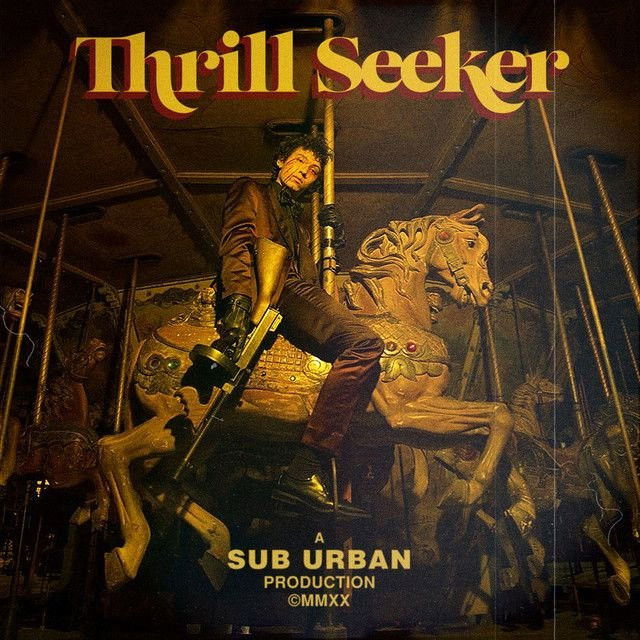
Freak by Sub Urban, REI AMI
They turn the stage into a mirror. In Freak, Sub Urban and REI AMI ask listeners to look at why people love the spectacle of difference—and what it costs the person on display. The hook feels like a velvet curtain pull, inviting and unsettling at once.
"Freak" - Sub Urban ft. REI AMI
Oh, such a fine collection of stranger things
My patience running thinner on this melting clock
Loading lyrics...
Unable to load lyrics
We're unable to display the lyrics at this time. Please try again later.
What the Invitation Really Means
The central meaning of Freak is about claiming otherness while critiquing the gaze that profits from it. When the narrator says Welcome to our freak show
and come meet my monsters
, they are not just flaunting quirks. They are staging how society labels people who don’t fit in.
Interpretation: The “monsters” stand for intrusive thoughts, urges, or traits that outsiders call wrong. By naming them, the narrator keeps control. Yet the show setting hints that this control might depend on being watched—and judged.
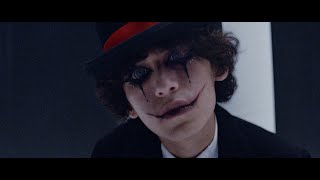
Watch the official Freak
music video
Who’s Speaking, And Who’s Watching?
The song uses first-person confession mixed with direct address. At times, the voice is a ringmaster selling the show; at others, it is the exhibit itself. Lines like I can't help myself
reveal a tug-of-war between self-mastery and impulse.
Interpretation: The “you” in the song blurs. It could be a lover, a handler, a fanbase, or society. That blur is the point: approval and exploitation can look similar when you live in the spotlight.
A Funhouse Timeline: What Happens
- Opening pitch: The door swings open on a curated oddity—an argument that difference can be beautiful when owned by the person who has it.
- Pressure builds: The narrator admits their limits with
my patience running thinner
, hinting at anxiety under the gloss. - Reframing desire: They propose becoming someone’s
favorite monster
—owning the label to control it. - The trap appears: The song questions whether trying to “fix” what isn’t broken only feeds stigma, and whether talent is wasted on crowds who refuse to see more than a spectacle.
- Curtain call: The invitation repeats, seductive and uneasy, as if the cycle will continue because the market for strangeness never ends.
Symbols That Do the Heavy Lifting
- Freak show: A metaphor for how culture packages difference as entertainment. It’s both a shield (“I choose this stage”) and a cage (“I’m stuck in your frame”).
- Melting clock: A nod to warped time and cognitive overload—the panic of being always observed. It evokes surreal images of time slipping, a mind under heat.
- Monsters and cages: The “monsters” are internal drives or labels given by others. Cages and being “fostered” point to systems that try to contain or domesticate people who won’t fit.
- Maker and made: Creation language recalls Frankenstein—someone shaped to satisfy another’s curiosity, then blamed for the result. It’s a power critique: who gets to define normal?
How the Sound Sells the Spectacle
Freak leans on dark pop with carnival undertones: music-box plinks, string stabs, and a lurching, waltz-like sway that feels part ballroom, part big top. The low-end hits hard while percussion snaps like a ringmaster’s whip. That contrast—dainty textures against booming drums—mirrors the song’s themes: allure vs. threat, autonomy vs. control.
Vocally, Sub Urban’s theatrical delivery sets the scene, while REI AMI arrives with razor-edged charisma. Their call-and-response heightens the drama, as if two versions of the same self are dueling: the curator and the creature. When the hook circles back to the show’s invitation, the arrangement swells; the spectacle grows bigger, but the lyrics keep asking who benefits.
The meaning of Freak Sub Urban, REI AMI: Empowerment with a Cost
On one hand, Freak is a victory lap. By calling themselves a favorite monster
, the narrators seize a slur and flip it into a crown. This reads as a blueprint for self-acceptance: wear what others mock, and it loses power over you.
On the other hand, the song is skeptical. The more the performer inhabits the role, the more the audience expects it. When they insist they “can’t help” certain urges, it’s hard to tell whether that’s honesty or branding. Interpretation: The track argues that empowerment through spectacle is real—but never free.
Alternate Readings Worth Considering
- Mental health lens: The “freak show” is the mind under scrutiny. The melting clock suggests anxious rumination, while cages stand for treatment that polices behavior rather than helping.
- Industry critique: The show is the music business. The verses mock attempts to “cure” an artist’s oddities for palatability and warn about pouring talent into crowds that only want shock value.
Both readings fit because the song keeps the “you” open-ended, letting listeners map their own pressures onto the spectacle.
Takeaway
Freak thrives on tension: exhibition and self-protection, desire and disgust, control and surrender. Its message isn’t a neat slogan. It’s a mirror with stage lights—brutal, flattering, and hard to look away from.
Disclaimer: This interpretation reflects critical analysis and public context; the artists’ personal intentions may differ.








