Why 'Death With Dignity' Hits So Deep
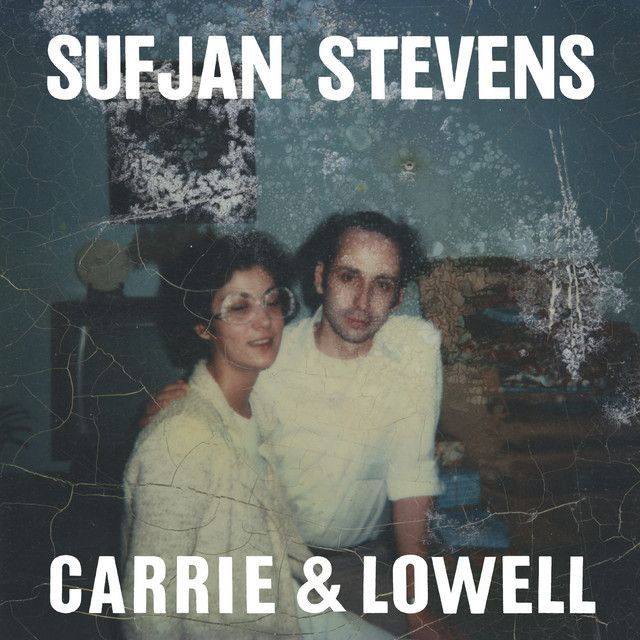
The meaning of Death With Dignity Sufjan Stevens begins with grief, but it does not stay there. This song opens Carrie & Lowell, Sufjan Stevens' 2015 album about family, loss, and memory. The record was widely understood as a response to the death of his mother, Carrie, and Stevens discussed that personal background around the album's release in interviews and press materials. In that context, this song feels like a doorway into mourning rather than a neat statement about it.
"Death With Dignity" - Sufjan Stevens
But I'm afraid to be near you
And I don't know where to begin
Loading lyrics...
Unable to load lyrics
We're unable to display the lyrics at this time. Please try again later.
What makes it powerful is its uncertainty. They do not sing as if they fully understand their feelings. Instead, the voice sounds stunned, tender, and a little afraid of what remembering will uncover.
The Song's Core: Grief That Wants Closeness
At heart, the song is about wanting connection with someone who is gone while also fearing the pain that comes with that closeness. Early on, the speaker addresses a presence in silence and admits fear. The short phrase spirit of my silence
suggests memory as something almost alive. It is not just recollection; it feels like visitation.
That tension appears again in I don't know where to begin
. This line matters because grief often scrambles time and language. The speaker cannot build a clean story. They are overwhelmed by emotion, history, and unfinished questions.
Interpretation: The title itself points toward a wish for peace at the end of life, but the song focuses more on the survivor's struggle than on death itself. It asks what dignity looks like for those left behind: honesty, forgiveness, and the courage to remember.

Watch the official Death With Dignity
music video
A Conversation With the Mother
One of the clearest emotional turns comes near the end, when the singer says I forgive you, mother
. That brief phrase carries years of hurt and longing. Stevens had a complicated relationship with his mother, who was largely absent during much of his childhood, which gives the line extra weight in the album's larger story.
The remarkable thing is that forgiveness does not erase distance. Right after that gesture, the song still circles loss and finality. The voice longs for nearness, but it knows that life moves in one direction. In simple terms, the song says two things at once: love remains, and separation is real.
And I long to be near youBut every road leads to an end
That is the emotional center of the song. The speaker reaches out, then immediately faces mortality.
Dream Images, Nature, and Half-Real Memory
Much of the song moves through images instead of direct explanation. There is a desert with a forest, flowers on a table, birds, cedar, willows, and strange rural details. These pictures feel vivid but unstable, as if memory is breaking apart and reforming in real time.
The phrase Is it real or a fable?
makes that uncertainty explicit. The singer seems unsure whether they are remembering actual scenes, symbolic visions, or grief dreams. That uncertainty fits the album's style: Stevens often writes like someone sorting through private fragments rather than giving a straight narrative.
Symbols that deepen the meaning
A few recurring motifs help explain the song:
- Birds and flight: These can suggest souls, messengers, or fleeting thoughts.
- Trees and fields: Nature gives the grief a physical setting, making memory feel rooted but also seasonal.
- Light in the window: A searchlight suggests exposure, revelation, or being found by pain.
- Roads and endings: These images point to the unavoidable truth of death.
Interpretation: The song's imagery may represent how grief works: not as a timeline, but as flashes of place, color, and sensation.
How the Sound Carries the Loss
The production is a huge part of the song's meaning. Carrie & Lowell marked a return to a quieter, folk-centered style after some of Stevens' more elaborate records. Here, soft acoustic guitar, light electronics, and intimate vocals create a hushed space. The performance feels close-miked, almost like they are singing from the edge of a bed rather than a stage.
That matters because the arrangement never tries to overpower the subject. Instead, it leaves room for breath, hesitation, and vulnerability. When the voice doubles or echoes, it can sound like memory answering back.
The melody also helps explain the song's emotional pull. It is gentle and beautiful, but never fully comforting. That contrast mirrors the lyric: grief can be tender and painful at the same time.
Why the Repetition Feels So Important
Several lines repeat, especially the idea of not knowing how to start. This is not filler. Repetition here sounds like someone trying to say the unsayable until it becomes slightly more bearable.
Another key moment comes with I've got nothing to prove
. After the song's searching and uncertainty, this line feels almost like surrender. The speaker is no longer performing strength. They are letting grief be plain, unresolved, and human.
In that sense, the song resists dramatic closure. It does not offer a lesson or a breakthrough. It offers presence.
A Lasting Meaning for Listeners
Part of why the song connected so deeply with listeners and critics is that it turns a very personal story into something widely recognizable. Even if someone does not share Stevens' family history, they may recognize the mix of love, regret, confusion, and forgiveness.
So, what is the meaning of Death With Dignity Sufjan Stevens? The best answer is that it is a song about mourning someone complicated, loving them anyway, and trying to face the end without false certainty. Its beauty comes from how gently it holds contradictions: intimacy and distance, memory and myth, sorrow and grace.
Final Thought
Rather than explain grief, the song lets listeners sit inside it. That is why it lingers. It sounds like someone trying to speak to the dead and to themselves at the same time.
Disclaimer: This interpretation is based on the lyrics, the album's public context, and common critical readings. As with any song, meaning can remain personal and open-ended.








