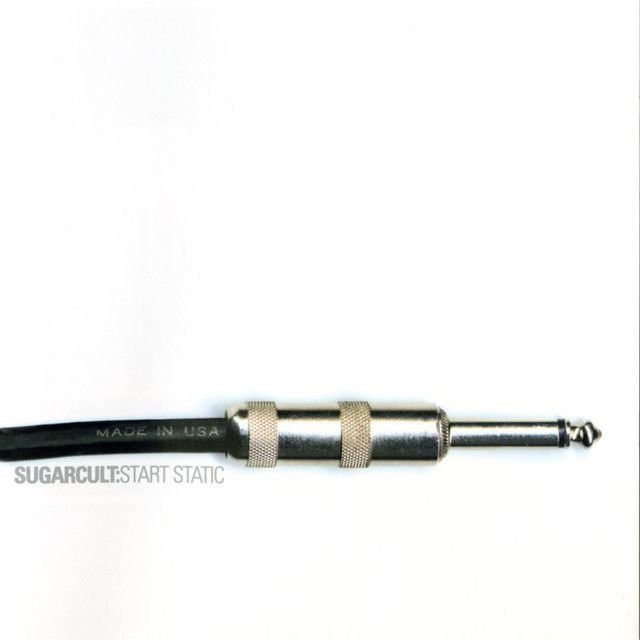
Bouncing Off The Walls by Sugarcult
Why This Pop-Punk Hit Still Feels Unstable
The meaning of Bouncing Off The Walls Sugarcult comes down to a simple but powerful idea: they turn emotional collapse into a catchy pop-punk rush. The song sounds fun on the surface, yet the words describe someone caught between reckless energy, public embarrassment, and a toxic attachment they cannot quite escape.
"Bouncing Off The Walls" - Sugarcult
And I'm looking like a fool again (whoa),
I threw away my reputation,
Loading lyrics...
Unable to load lyrics
We're unable to display the lyrics at this time. Please try again later.
Sugarcult released the song on Start Static in 2001, and it later came out as a single in 2002. Research sources also note that there were two key versions: an album version associated with Matt Wallace and a shorter single mix by Mark Trombino, which helped push it toward radio and soundtrack use. It appeared in Van Wilder and American Wedding, which widened its reach and tied it to early-2000s youth culture.[1][2]
Watch the official Bouncing Off The Walls
music video
The Core Meaning: Chaos With a Smile
At its heart, the song is about living in a cycle of bad choices and emotional fallout. The speaker keeps spinning out, then dragging themselves back up, only to crash again. That is why the hook matters so much. When they sing bouncing off the walls again
, it suggests more than hyperactivity. It sounds like anxiety, exhaustion, humiliation, and adrenaline all at once.
The same goes for looking like a fool again
. That phrase turns the song inward. This is not just rebellion for its own sake. It is also self-awareness. They know the pattern is damaging, and they know other people can see it.
Interpretation: The song may be describing a toxic romance, a self-destructive lifestyle, or both at the same time. The lyrics support all three readings because the “you” in the song feels personal, but the wreckage spreads across the speaker’s whole life.
A Story of Crash, Recovery, and Repeat
The verses move like snapshots from a rough night and an even rougher morning. One of the clearest images is bathroom floor
, which suggests a physical and emotional low point. Right after that, the song describes trying to pull life back together, only to fall apart again.
That repeated pattern is the engine of the song:
- They lose control.
- They feel ashamed.
- They try to recover.
- They go right back into the same mess.
The line about throwing away a reputation adds another layer. This is not private suffering anymore. Their mistakes are public. That helps explain the bitter mention of the radio station
. It sounds like they know their pain is becoming entertainment, or at least content others can package and consume.
The "You" in the Song Matters
A big part of the meaning of Bouncing Off The Walls Sugarcult is the way the song points blame outward even while admitting personal responsibility. The speaker says they have wasted years and money on this other person. That suggests obsession, dependency, or a relationship that drains them emotionally and financially.
When the song says take a picture
, the idea is not romance or memory. It sounds accusatory. They are daring someone to capture their lowest moment and use it against them. That makes the song feel defensive and wounded at the same time.
Interpretation: The “you” could be:
- a destructive partner,
- a party scene,
- fame and image culture,
- or even a habit the speaker cannot quit.
The lyrics never fully lock that down, which is part of why the song stays interesting.
The Most Controversial Lines
The verse mentioning cocaine, Ritalin, and an empty brain has led some listeners to hear the song as a substance-use narrative. That is a fair audience reading, especially since those references are direct. But the research provided does not confirm that this is the official songwriter explanation, so it should remain an interpretation rather than a fact.[1][2]
What can be said more confidently is that these lines raise the stakes. They make the world of the song feel chemically charged, sleep-deprived, and dangerous. Even if listeners do not read them literally, they still create a sense of overstimulation and emotional numbness.
I don't care
Cause I'm still here
This short moment captures the song’s defiance. After all the shame and collapse, the speaker still insists on survival. It is not a hopeful victory speech. It is more like a bruised refusal to disappear.
How the Sound Sells the Spiral
Sugarcult were part of the early-2000s pop-punk wave, and this track packs that style into barely more than two minutes. According to the research, the single version runs about 2:21, which is perfect for a song built on urgency.[2]
The guitars hit hard, the drums keep everything moving, and the vocals sound breathless rather than polished. That matters. The production does not slow down to let the pain become dramatic. Instead, it rushes forward, which mirrors the speaker’s inability to stop and reflect.
The shorter Mark Trombino mix likely helped sharpen the hook for radio, while the album version gave the song its place on Start Static.[1][2] That balance between punk energy and pop structure is a big reason the song lasted. Cleveland.com later ranked it among top pop-punk songs, which shows its long afterlife beyond its original release.[2]
Why It Connected So Fast
Its success was not only about the chorus. The song arrived at a moment when pop-punk often mixed humor, frustration, and emotional messiness. Movie placements in Van Wilder and American Wedding gave it a wider audience, but the song stuck because it captured a familiar feeling: acting reckless while knowing the crash is coming.[1][2]
That is why the meaning of Bouncing Off The Walls Sugarcult still lands. It is about more than youthful chaos. It is about the strange mix of shame and adrenaline that keeps people trapped in patterns they already understand are hurting them.
Final Take on Sugarcult's Restless Anthem
Sugarcult made a song that feels loud, quick, and catchy, but underneath that surface is a portrait of burnout and self-inflicted damage. The hook is huge because it gives a name to emotional overload without slowing the momentum.
Interpretation disclaimer: Song meaning is never perfectly fixed. This reading is based on the lyrics, the song’s production, and documented release context, but listeners may reasonably hear different shades of heartbreak, addiction, or social collapse in it.
Sources: [1] Songfacts, “Bouncing Off The Walls by Sugarcult”; [2] Wikipedia, “Bouncing Off the Walls.”








