Why 'Memory' by Sugarcult Still Hurts
Sugarcult's "Memory" sounds bright, fast, and catchy, but its emotional center is much darker. The meaning of Memory Sugarcult comes down to one painful idea: after a relationship starts collapsing, the speaker is desperate not to disappear from the other person's life. They may not be able to save the romance, but they still want to matter.
"Memory" - Sugarcult
We could fall apart
And I'd be your memory
Loading lyrics...
Unable to load lyrics
We're unable to display the lyrics at this time. Please try again later.
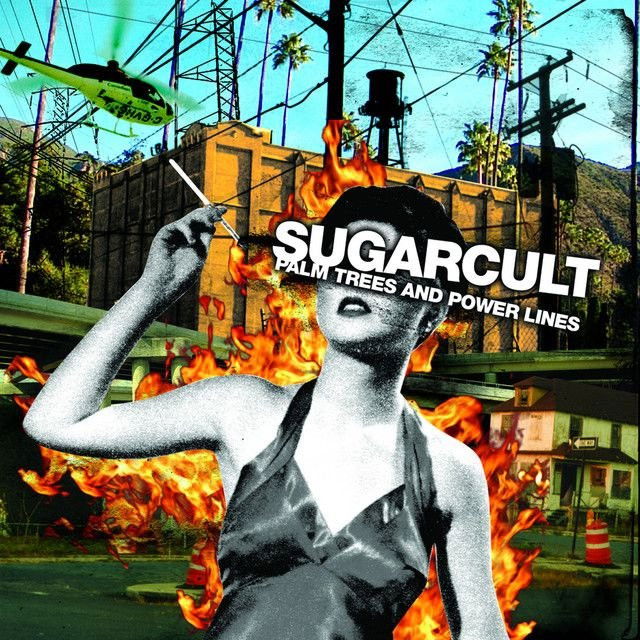
Released as a single in 2004 from Palm Trees and Power Lines, the song became one of the band's signature tracks. It also reached a wider audience through games like Burnout 3 and NHL 2005, which helped turn a personal breakup song into a lasting 2000s pop-punk staple.
The Heart of the Song: Fear of Being Left Behind
At the center of "Memory" is a speaker stuck between hope and defeat. They know the relationship may be beyond repair, yet they keep reaching backward. Early lines like this may never start
and we could fall apart
show that the romance feels unstable from the beginning, almost doomed before it can fully recover.
That is why the title matters so much. When the speaker asks whether they can be someone else's memory, they are not asking for a healthy future. They are asking for a place in the past. That makes the song less about reunion than about emotional survival.

Watch the official Memory
music video
A Chorus That Runs Backward
The chorus is where the song's emotional logic becomes clear. The repeated push to get back, back, back
is not just catchy writing. It acts like a mental loop, showing a person replaying old moments and wanting to return to the last point where things still felt real.
One of the smartest details is the phrase back to the disaster
. Usually, going back sounds comforting. Here, going back means returning to something broken. That contradiction tells listeners the speaker knows the relationship was messy, but they still prefer pain to being forgotten.
My heart's beating faster
Holding on to feel the same
Those lines sum up the song's tension. The speaker is chasing a feeling, not a solution. They want the emotional rush of before, even if it cannot last.
Who Is Speaking, and What Do They Want?
The narrator uses direct, intimate language, so the song feels like a confession aimed at an ex. They swing between devotion and bitterness. In one moment they would be your anything
; in another, they wonder if they could become an enemy. That shift suggests a breakup that has damaged trust and identity.
Interpretation: this is not only about losing a partner. It is also about losing the version of oneself that existed inside the relationship. If the other person no longer loves them, what do they become? A memory, an enemy, or nothing at all?
That emotional instability is one reason the song connected so strongly with pop-punk and emo audiences. It captures the dramatic, all-or-nothing mindset of heartbreak without needing complicated imagery.
Real-Life Context Behind the Lyrics
There is some useful background here. According to reporting summarized on Wikipedia, guitarist Marko DeSantis said the song came out of a love triangle involving singer Tim Pagnotta, bassist Airin Older, and a photographer, leaving Pagnotta cynical about whether love works out. That does not turn the lyrics into literal diary entries, but it gives the song's tension a real-world anchor.
This context helps explain why the track feels both wounded and defensive. It is not simply sad. It is suspicious, bruised, and almost embarrassed by how much it still cares.
How the Sound Carries the Meaning
"Memory" works because its production never lets the sadness become still. Produced by Gavin MacKillop, the track pairs tight drums, crunchy guitars, and a clean pop-punk hook with lyrics about emotional wreckage. That contrast matters.
The band does not play the song like a quiet lament. They drive it forward. The tempo creates urgency, while the chorus opens up melodically, making the longing feel bigger and more public. Instead of sounding private and withdrawn, the heartbreak becomes something shouted with friends in a car.
That is a key part of the meaning of Memory Sugarcult. The song turns private fear into communal release. Listeners do not just hear heartbreak; they feel its momentum.
Two Strong Ways to Read "Memory"
There are at least two solid interpretations:
- A breakup plea. The speaker wants the relationship back, even if returning means revisiting chaos.
- A song about erasure. More deeply, the speaker fears being emotionally deleted from someone else's story.
Both readings fit the lyrics. The first explains the urgency of the chorus. The second explains why the title lands so hard. Being "memory" is sad because it means love has already moved into the past.
Why the Song Endures
Nearly two decades later, "Memory" still hits because it captures a common feeling in simple words: the panic of no longer being central in someone else's life. Its hook is huge, but its pain is specific. It knows that sometimes people do not want closure. They want proof that what happened still counts.
For many listeners, that is the lasting meaning of Memory Sugarcult: heartbreak as a fight against fading away.
Disclaimer: This interpretation is based on the released lyrics, available song history, and musical context. Like most songs, "Memory" can support more than one reasonable reading.







