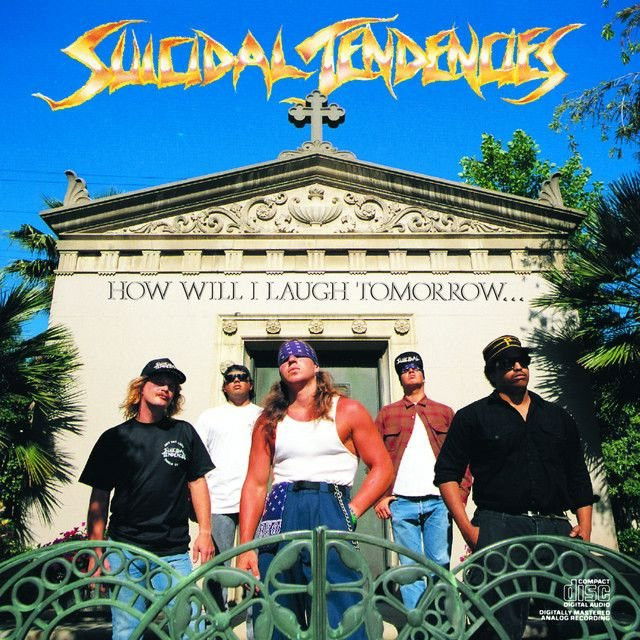
Why 'If I Don't Wake Up' Refuses Defeat
The meaning of If I Don't Wake Up Suicidal Tendencies is not just sadness. It is a song about hitting a mental wall, asking whether life matters, and then pushing back with stubborn force. What makes it powerful is the turn: the narrator begins in self-doubt and isolation, but they do not stay there.
"If I Don't Wake Up" - Suicidal Tendencies
Why do I wake up in the morning-I make no difference on this earth
Strength has left-has to be-something has died inside of me
Loading lyrics...
Unable to load lyrics
We're unable to display the lyrics at this time. Please try again later.
Suicidal Tendencies built their name on songs that mix anger, alienation, and survival. According to the band’s official history, they emerged from the Southern California hardcore scene and became known for blending punk aggression with metal weight. That background matters here because this song uses that same emotional language: pressure first, resistance second.
The Song Starts in Total Emptiness
At the start, the narrator wakes up feeling like nothing has changed and nothing they do matters. They measure their life against impact and come up empty. The emotional center of the opening is not drama for its own sake; it is the fear of being unseen.
A short phrase like nothing's changed
captures that trap. Every morning feels identical, and that sameness becomes proof, in the narrator’s mind, that they have failed. Soon after, the lyrics suggest that something inside has faded or died, which makes the song feel less like a simple bad day and more like emotional exhaustion.

Watch the official If I Don't Wake Up
music video
Fear of Being Forgotten Drives the First Verse
The song then pushes its darkest question: if they were gone, would anybody care? That is a brutal thought, but it is central to the song’s meaning. The fear is not only death. It is social erasure.
When the narrator wonders about my funeral
and whether anyone would be there, they are really asking whether their life has weight in other people’s eyes. Interpretation: this is less about a literal funeral than a test of worth. They imagine the worst-case scenario to measure how invisible they feel in the present.
The Turning Point Is a Shout, Not a Whisper
The most important moment comes when the song stops asking questions and starts fighting back. After describing being dismissed, pushed aside, and ignored, the narrator snaps into open resistance. The cry of WAKE UP
changes everything.
That phrase works in two ways:
- It means getting up and facing another day.
- It also means becoming aware of personal strength.
- It may even challenge other people to finally pay attention.
This is where the meaning of If I Don't Wake Up Suicidal Tendencies becomes clearer. The song is not trapped in despair. It turns despair into fuel.
From Self-Doubt to Self-Assertion
The second half repeats the earlier morning question, but now it serves a different purpose. Instead of circling the drain, the song starts building momentum. The narrator admits they have felt like they do nothing right, yet they refuse to let that be the final word.
One key shift appears when they move from helplessness to action: blasting out the door
. That image is simple, but effective. They are no longer lying still in dread. They are moving.
The final promises matter too. When the narrator says they will blaze a brand new trail
, the song stops being about whether they matter and becomes about proving they do. Interpretation: this is not polished self-help optimism. It is rough, angry determination. That roughness is exactly why it feels believable.
How the Sound Supports the Message
Even without quoting much, listeners can hear the structure do the storytelling. Suicidal Tendencies are a rock band with roots in hardcore and crossover thrash, and that style usually depends on speed, attack, and sharp dynamic shifts. Those traits fit this song’s emotional arc well.
The likely effect is straightforward: tense riffs and forceful drumming mirror the narrator’s agitation, while the vocal delivery turns inner pain into confrontation. The song’s jump from brooding thoughts to a shouted refrain is crucial. It sounds like a person pulling themselves out of paralysis by sheer volume.
That production logic matters because the song would mean less if it stayed musically flat. The energy surge tells the same story as the lyrics: doubt transforms into motion.
A Classic Suicidal Tendencies Theme
Suicidal Tendencies often wrote about alienation, pressure, identity, and refusing control. This song fits that pattern well. Even its plain language feels true to the band’s style. Rather than hide behind abstract images, they put the crisis in blunt terms.
The songwriting credit provided here lists Clark and Muir, with Muir almost certainly referring to frontman Mike Muir. That also tracks with the band’s long-running focus on emotional conflict and personal defiance. In that sense, this song is both intimate and typical of their larger catalog.
The Best Way to Read the Ending
There are at least two strong readings of the ending.
Interpretation 1: it is a recovery moment. The narrator survives a spiral and chooses life, action, and purpose.
Interpretation 2: it is a defiant mask over ongoing pain. They sound stronger, but the aggression may be the only way they know how to keep going.
Both readings can be true at once. The line about not being smart but being strong suggests that logic alone will not save them. Willpower will.
Why the Song Still Hits
What gives this song staying power is its honesty about how fast the mind can swing between collapse and rebellion. It starts with the fear that no one would care, then ends with a vow that no one will define them.
That is the heart of the meaning of If I Don't Wake Up Suicidal Tendencies: waking up is not automatic. In the song, it becomes a choice to keep living, keep fighting, and make existence count.
Disclaimer: This interpretation is based on the lyrics provided, established band context, and musical style. As with all song meanings, listeners may hear it differently.







