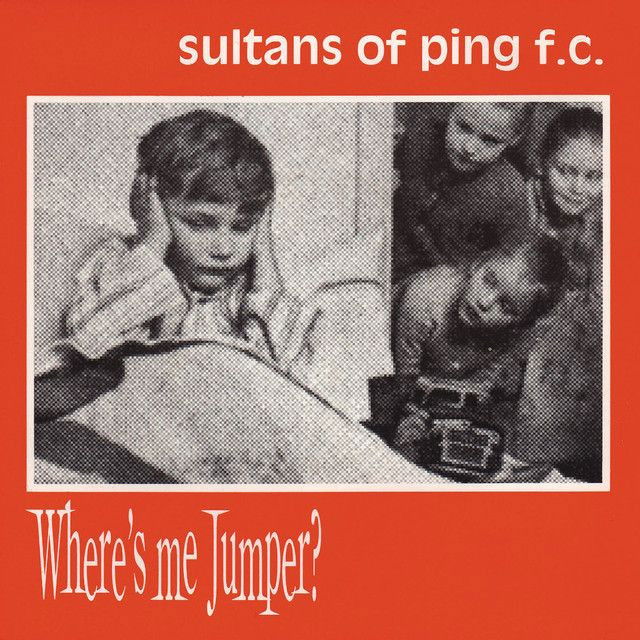
Where’s Me Jumper? by Sultans of Ping F.C.
Panic over a missing sweater shouldn’t feel epic. Yet this 1992 cult hit turns a tiny disaster into a punk mini-drama. The meaning of Where's Me Jumper? Sultans of Ping F.C. lies in that flip: a parody of subculture seriousness that still understands why clothes can feel like identity.
"Where's Me Jumper?" - Sultans of Ping F.C.
He met him eating mushrooms in the public park
He said: "What do you think of my manifesto?"
Loading lyrics...
Unable to load lyrics
We're unable to display the lyrics at this time. Please try again later.
Small Loss, Big Identity: Why a Sweater Matters
At face value, it’s a slapstick story about losing a favorite top on a night out. But the song also teases how fashion, tribe, and taste become personal armor. When the narrator recalls a political slogan with things can only get better
, they undercut it: try telling that to someone who just lost their look.
Interpretation: the jumper is a badge of belonging. In indie and punk scenes, a single item—boots, a band tee, the right knit—can signal who they are. Lose it, and the night (and the self) feels off.

Watch the official Where's Me Jumper?
music video
The Voice of a Night Out, Going Sideways
The narrator speaks in first person, spiraling from carefree to frantic on the dance floor. The club is crowded, the rhythm relentless, and then the penny drops:
Dancing in the disco, bumper to bumper
Wait a minute: "Where's me jumper?"
That call-and-response hook becomes a siren. Each repeat cranks up the stakes, until everyone—so, so angry
mom, brother, girlfriend, even the dog—feels dragged into the crisis. The escalation is absurd on purpose; it satirizes how peer and family judgment can loom large over something as small as a sweater.
Surreal Verses That Actually Add Up
The song’s opening scene—name-dropping Marx, an arty farty
acquaintance, and dabbling in Latin—sets up a world of try-hard cool. These fragmented images lampoon trend-hopping and performative intellectualism. When the narrator bumps into lifestyle commandments like eat natural food
, the comedy sharpens: scenes can run on slogans as flimsy as any fashion fad.
Interpretation: the verses catalogue youth-culture signaling—politics as style, style as politics. By the time the jumper goes missing, it’s not just cloth. It’s the thread connecting all that posing and belonging.
Translation Corner: What “Jumper” Means to U.S. Ears
For American listeners, a “jumper” is a sweater. The lyric’s detail—pure new wool
, neat stitches, not itchy—proves the garment matters. It’s new, cared-for, and likely expensive on a young person’s budget. In early-90s indie and punk, that kind of knit could be ironic uniform: tidy, even nerdy, yet defiantly anti-glam. Losing it risks both warmth and cool.
Sound as Comedy Engine
Musically, the Sultans of Ping F.C. push a pogo-friendly beat and sharp, buzzing guitars. The drums drive fast; the bass locks a simple groove; the vocal is half-sung, half-chanted. That blunt, chantable chorus is built for shouting over speakers and sticky floors.
The production leaves rough edges intact—perfect for humor. Repetition becomes punchline; each hook return is a fresh eye-roll and a new laugh. The band’s punk/indie lineage from Cork filters through: speed, mischief, and a sly wink rather than swagger.
Timeline and Afterlife: From Single to Cult Classic
The band formed in 1988 and mixed punk rock with indie bite. "Where’s Me Jumper?" arrived in early 1992, hitting the Irish charts and making noise in the UK. It later appeared on their 1993 debut album, Casual Sex in the Cineplex.
Over time, the track turned into a pop-culture calling card. It served as the theme for the TV comedy Moone Boy and closed the Irish film The Young Offenders. The band have said the tale came from a real Nottingham club incident; the missing item was actually a cardigan. Writers Niall O’Flaherty and Pat (Paddy) O’Connell captured a very specific panic that somehow keeps traveling.
Two Readings Worth Holding Together
- Interpretation: A satire of poseur politics and scene etiquette. The verses mock secondhand ideology; the chorus shows how taste becomes a public performance.
- Interpretation: A sincere snapshot of young anxiety. When money is tight and identity feels fragile, a lost sweater really can ruin the night.
Keeping both in mind explains why the song works at festivals and in living rooms. It lets listeners laugh at themselves without feeling attacked.
Takeaway: Comedy That Knows the Stakes
"Where’s Me Jumper?" laughs at the idea that a sweater could matter so much—and then admits it kind of does. That’s why the hook sticks: it’s a joke about image, told by people who know how image feels.
Disclaimer: Song meanings are subjective. This analysis offers one informed interpretation based on lyrics, context, and reception.







