Richard III by Supergrass
Why the meaning of Richard III Supergrass feels bigger than its words
The meaning of Richard III Supergrass starts with a surprise: despite the title, the song is not actually about the English king or Shakespeare's play. According to Songfacts, Gaz Coombes explained that the band often gave songs placeholder names, and this one stayed because its dark feel matched the image of Richard III. In other words, the title fits the mood, not the plot.
"Richard III" - Supergrass
Spent too much time wondering why I got a feeling,
I know you wanna try to get away,
Loading lyrics...
Unable to load lyrics
We're unable to display the lyrics at this time. Please try again later.
That matters because the lyrics are brief, repetitive, and emotionally charged. Rather than tell a detailed story, they capture a state of mind. The song sounds like someone moving through a bad day with nerves buzzing, trying to focus on one person, one feeling, or one goal.
Interpretation: the track is best heard as a portrait of teenage agitation. It is about pressure, attraction, and the hard work of getting through a day when everything feels too loud.

Watch the official Richard III
music video
The real subject: teenage strain and stubborn motion
There is direct evidence for that reading. Songfacts reports that Gaz Coombes described the song as being about the trials and tribulations
of teenage life, including waking up feeling low but still going out to attack the day.
That comment helps make sense of the opening lines. The singer seems to have reached a moment that should feel good, yet the feeling is unstable. A phrase like what a day
sounds excited on the surface, but the rest of the verse undercuts it with uncertainty and overthinking.
The next emotional turn is the key one: try to get away
. The song returns to this idea again and again. Someone wants distance, escape, or freedom, but the singer insists that leaving is not simple. That creates the song's tension. It is about being pulled in two directions at once.
Who they seem to be singing to
The song uses direct address, so it feels personal. The singer is talking to a specific "you," and that person dominates their thoughts. When they admit you're all that I'm hearin'
, it suggests obsession more than calm affection.
Interpretation: this could be a song about wanting someone romantically while sensing that they are slipping away. But it can also be heard more broadly. The "you" might stand for peace of mind, confidence, or even control itself.
That ambiguity is one reason the song still works. It stays open enough for listeners to project their own messy situations onto it.
A fast timeline inside a short song
Even with few lyrics, the track creates a clear movement:
- A day begins with a jolt of energy.
- That energy turns into self-questioning and unease.
- The singer fixates on someone nearby yet emotionally distant.
- The chorus turns that feeling into a chase.
The line waited in line
adds something important. It grounds the song in ordinary life. This is not grand tragedy. It is everyday frustration made intense by youth, desire, and impatience.
Then comes a striking little collapse: fading, silence, and fixation all crowd into the same moment. The words are simple, but they show how quickly the outside world can disappear when one thought takes over.
Why the chorus sounds like a trap
The repeated hook works because it is both catchy and claustrophobic. On paper, try to get you
sounds straightforward. In performance, it feels relentless.
That repetition mirrors obsessive thinking. The singer does not solve the problem; they circle it. They want contact, understanding, or possession, but each repeat makes them sound less certain and more driven.
Interpretation: the chorus is not just about chasing another person. It may also show how teenage emotion traps someone inside a loop. They keep replaying the same need in their head, hoping repetition will create control.
How the sound carries the menace
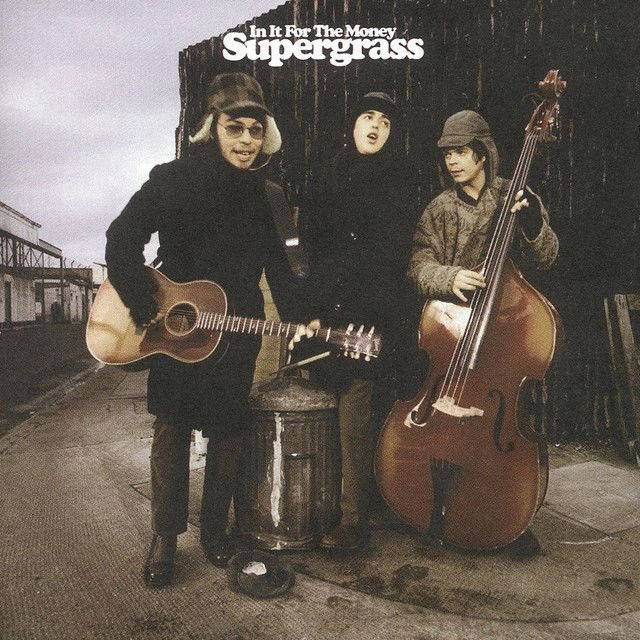
Musically, "Richard III" is one of Supergrass's sharpest singles. It appeared on In It for the Money in 1997 and was released as the album's second single on March 31, 1997. It reached No. 2 on the UK Singles Chart, according to Songfacts and Wikipedia.
The production helps explain why. Recorded at Sawmills Studio and produced by Supergrass with John Cornfield, the track hits with jagged guitar attack, tight drumming, and a vocal that sounds pushed to the edge. The arrangement never settles. It drives forward with a kind of impatient force.
That is where the title starts to make emotional sense. Wikipedia notes that the band liked the Shakespearean association because the song had a menacing atmosphere. Even without any direct reference to the king, the music carries that shadow.
The title's trick: dark theater without literal plot
For many listeners, the title creates an expectation of literary symbolism. In a loose sense, that is fair. Shakespeare's Richard III remains a strong cultural symbol of menace and unease.
But the safest reading is the simpler one: Supergrass used the name because it fit the song's nasty edge. The lyrics themselves stay grounded in youth and daily struggle, not royal drama.
That contrast is part of the song's charm. It takes common feelings, then frames them with a grand, sinister label. The result feels bigger than the words alone.
Final takeaway on the meaning of Richard III Supergrass
The meaning of Richard III Supergrass is less about history than emotional weather. It captures the rush of a difficult day, the pressure of wanting someone or something, and the stubborn refusal to stop moving.
Its few words do a lot: they suggest confusion, fixation, and the strange energy of youth. Add the aggressive sound, and the song becomes a compact study in restless desire.
Disclaimer: This interpretation separates documented facts about the song's title, release, and comments from broader critical reading. As with many rock songs, meaning can remain open to the listener.







