Why ‘Fool’s Overture’ Still Feels Like a Warning
The meaning of Fool's Overture Supertramp starts with a sense of danger. This is not just a long progressive rock song. It feels like a warning, a memory, and a plea all at once.
"Fool's Overture" - Supertramp
While everybody's sleeping, the boats put out to sea
Borne on the wings of time
Loading lyrics...
Unable to load lyrics
We're unable to display the lyrics at this time. Please try again later.
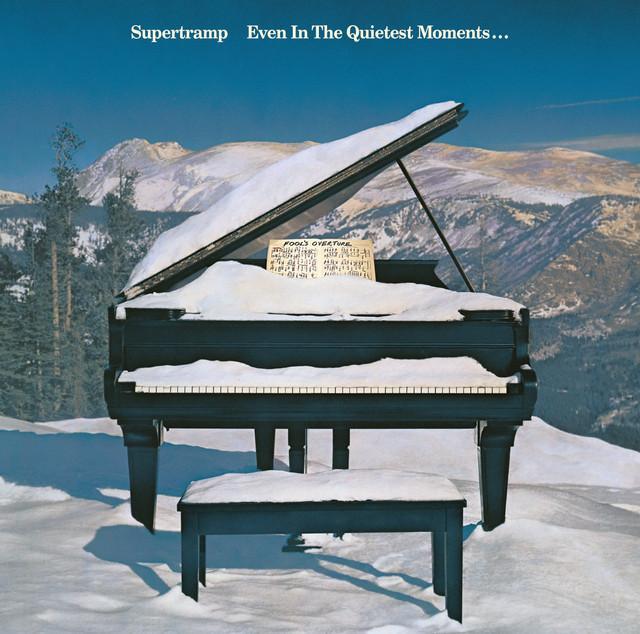
Released in 1977 as the closing track on Even in the Quietest Moments..., the song runs for nearly eleven minutes and was written by Rick Davies and Roger Hodgson, with Hodgson singing lead. It was also produced by Supertramp, and its collage-like structure is a big part of why it still stands out today. Research from Songfacts and Simple English Wikipedia notes that the track blends vocal sections, instrumental movements, and spoken-word material, including a Winston Churchill speech sample.
A Song About History Repeating Itself
At its core, the song looks at what happens when people ignore clear warnings. The opening images suggest that collapse does not always arrive loudly. Sometimes it happens while people are passive, distracted, or asleep to what is coming.
That is why phrases like great the fall can be
and everybody's sleeping
matter so much. They point to a world drifting toward disaster while pretending things are fine. Interpretation: this is less about one private heartbreak and more about collective failure.
Roger Hodgson described the song in similar terms. According to Songfacts, he said he was thinking about how people were in denial about where humanity and the planet were heading. That comment supports a broad reading: the song uses history to talk about human blindness.
Watch the official Fool's Overture
music video
The “Fool” May Be the One Who Saw Clearly
One of the song’s strongest ideas is that the person called foolish may actually be the one who understands the truth. The lyrics describe a man mocked, humiliated, and only taken seriously too late.
The short phrase called the man a fool
frames that reversal. The crowd laughs, but the song suggests the crowd is wrong. Interpretation: this “fool” could be a prophet, a leader, a spiritual figure, or anyone dismissed for speaking hard truths.
That ambiguity is part of the power. Some listeners hear a Christ-like figure in the suffering and later guidance. Others hear a wartime leader, or even a symbolic outsider who sees disaster before everyone else does. The song never fully closes the question, so the listener has to sit with it.
War Imagery Gives the Song Its Weight
Many readings of “Fool’s Overture” focus on World War II, and there is a good reason for that. The track includes part of Winston Churchill’s famous wartime speech, which immediately places the listener in a moment of national crisis. Songfacts also notes that many fans connect the music’s dramatic middle sections to bombing raids, searchlights, and the Blitz.
We shall go on to the end
We shall never surrender
That brief sample does more than add historical texture. It turns the song into a meditation on survival, fear, and endurance. Interpretation: Churchill’s voice can be heard as a symbol of resistance, but it also sharpens the song’s larger question: why do people wait for catastrophe before they act?
The Middle Section Sounds Like a Fractured World
The song’s sound carries meaning just as strongly as the lyrics. It moves in sections rather than following a simple verse-chorus pattern. Piano, layered keyboards, band crescendos, and spoken audio create the feeling of scenes being stitched together.
According to Songfacts, Hodgson said he could hear orchestral parts in his head while composing it. That helps explain why the song feels cinematic even when it is still rooted in rock. Simple English Wikipedia also describes it as combining orchestral textures and spoken samples, which fits its symphonic progressive rock reputation.
Why the chant-like lines feel so strange
Late in the song, the writing becomes more fragmented and theatrical. The list-like phrases and character names feel almost surreal, as if modern culture has turned into noise.
When the song asks what will be your last contribution?
, it shifts from history lesson to moral challenge. The earlier warnings now become personal. They are no longer only about nations or wars. They are about what each person adds to a damaged world.
A Few Strong Interpretations
Because the writing is symbolic, several readings can fit at once:
- Historical reading: the song reflects wartime Britain, public fear, and the need for courage.
- Spiritual reading: the “fool” is a rejected savior or prophet figure.
- Social reading: humanity keeps ignoring danger until it is too late.
- Psychological reading: people resist growth, even when they know change is necessary.
The repeated line around finding it hard to grow supports that last idea. The song recognizes resistance, but it does not excuse it.
Why It Still Connects Today
Part of the meaning of Fool's Overture Supertramp is its refusal to stay in one decade. Even though it came out in 1977, its themes still feel current: denial, political failure, public distraction, and the search for moral leadership.
It also helps that Supertramp made the song emotionally huge. As the album’s finale, it feels like a summary statement, gathering together fear, memory, and hope. The result is not neat or easy, but that is the point. The world it describes is unstable, and the music makes the listener feel that instability.
Final Take on Supertramp’s Epic
“Fool’s Overture” endures because it treats history as a mirror. It suggests that the people called foolish may be the ones worth hearing, while the comfortable majority may be sleepwalking toward disaster.
That is the lasting pull of the song: it asks whether people can wake up before the next fall. Interpretation disclaimer: because Supertramp left room for ambiguity, any single reading should be treated as one informed interpretation rather than the only fixed meaning.








