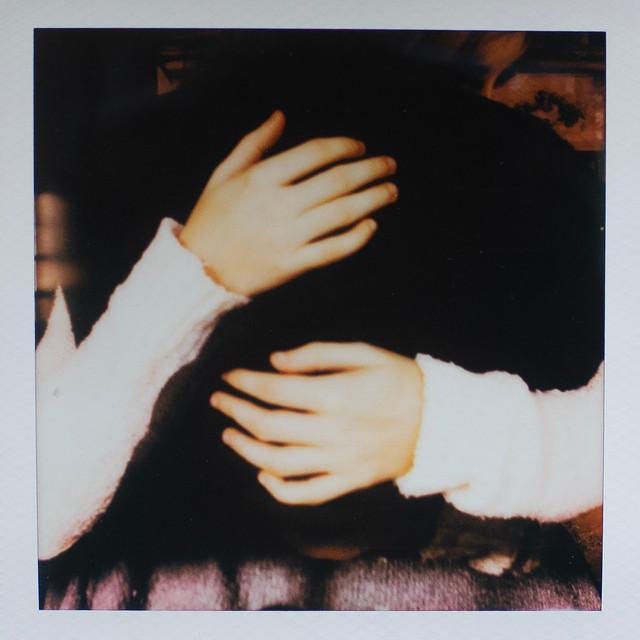
Why “We Hug Now” Hurts So Much
The meaning of We Hug Now Sydney Rose centers on a strange kind of grief: not the shock of a fresh breakup, but the ache of seeing how time has changed a once-close bond. The song is small, quiet, and very specific, yet that is exactly why it lands so hard. They present a person who is still emotionally stuck in the past while the other person seems to have moved on.
"We Hug Now" - Sydney Rose
They're just city lights
I think back to where you live and how you can see the entire sky
Loading lyrics...
Unable to load lyrics
We're unable to display the lyrics at this time. Please try again later.
Sydney Rose, born Sydney Struchtemeyer, writes the song with diary-like detail, and that plainspoken style gives it weight. Rather than using dramatic images, they focus on ordinary moments: coffee, a hometown, a hug that feels unfamiliar. Those details turn memory into something listeners can almost step inside.
A breakup song about uneven aftermath
At its core, the song is about emotional imbalance after a split. One person appears to see the relationship as a passing event. The other still feels shaped by it. That difference becomes the song’s deepest wound.
The clearest summary comes near the end, when the narrator believes the other person sees it as a small thing
, while for them the world ended
. That contrast explains the whole track. This is not just sadness over losing someone. It is pain over realizing the loss mattered in very different ways to each person.
Interpretation: The song may describe a romantic breakup, but it could also fit a friendship or another intense bond from adolescence. The lyrics keep that open. What matters most is not the label of the relationship, but the unequal emotional cost of its ending.
Why the title says everything
The title is brilliant because it turns a simple social gesture into proof that everything has changed. When they sing we hug now
, the line sounds less comforting than awkward. A hug should show closeness, but here it marks distance.
They even underline that discomfort by noting that they don’t hug
and never used to. In other words, the new politeness feels unnatural. The relationship has been reduced to a careful public ritual, not the easy intimacy it once held.
The Canton coffee scene
The mention of coffee in Canton makes the memory feel grounded and real. The narrator needs encouragement from their mom just to ask for that meeting, which shows how much fear still surrounds this person. Even before the hug happens, the song tells listeners that this is not casual.
That scene matters because it shows adulthood trying to tidy up a wound that still feels teenage and raw. The polite meetup cannot actually fix what was lost.
Frozen at seventeen
One of the song’s strongest ideas is emotional time travel. The narrator says they are still seventeen
in sleep, returning to a world where the other person still lives nearby and is no longer angry. Dreams become a space where history can be rewritten.
This part gives the song its emotional logic:
- the past is not gone
- memory is more comforting than the present
- sleep offers what waking life does not
The line about saying everything they wanted in the dream reveals the real tragedy: they never got closure. They are still building conversations in their head because the needed one never happened, or did not heal anything.
Small images, huge feelings
The opening image also matters to the meaning of We Hug Now Sydney Rose. The narrator says they do not see stars where they live, only city brightness, and that makes them think of the other person’s sky. This contrast is subtle but powerful.
The city lights suggest a place that is crowded, dimmed, and emotionally closed off. The memory of an open sky suggests freedom, clarity, and a version of life tied to the lost relationship. Even seeing the moon becomes a trigger. The world itself keeps bringing this person back.
Memory works through place
The song uses place names and physical details the way many great indie-folk songs do: not just as scenery, but as emotional anchors. Streets, towns, and skies become containers for memory. They are not neutral settings; they hold the shape of what happened.
How the sound carries the story
Even without flashy production, the song’s likely power comes from restraint. Its writing fits the singer-songwriter and indie-folk lane, where a close vocal, soft accompaniment, and unhurried pacing can make a song feel almost whispered. That intimacy supports the lyrics perfectly.
A louder arrangement would weaken the point. This song needs space, because the narrator is living with silence, hesitation, and things left unsaid. The likely softness of the performance makes lines about regret feel conversational rather than theatrical.
Interpretation: The repetition in the closing section mirrors rumination. Instead of offering a neat conclusion, the song circles the hurt again and again, as if the narrator cannot step outside it.
Why listeners connect so quickly
Many breakup songs focus on what happened. This one focuses on what happened after: the years of replaying it, the fear of seeing the person again, and the sick feeling that they may remember it far less intensely than you do. That is a less common subject, and it feels brutally honest.
It also captures a very young-adult experience in the United States: leaving adolescence physically, but not emotionally. The hometown references, parent encouragement, and coffee-shop reunion all make the story feel lived-in and familiar.
The lasting takeaway
The meaning of We Hug Now Sydney Rose is about unresolved attachment and the humiliation of ordinary contact after extraordinary closeness. Its genius lies in how gently it says something devastating: sometimes both people survive the same ending, but only one keeps living inside it.
That is why the song hurts. It is not begging for the past back. It is grieving the fact that the past still feels present to one person alone.
Disclaimer: This interpretation is based on the lyrics provided and general musical context. As with any song, meaning can shift depending on the listener’s own experience and the artist’s future comments.








