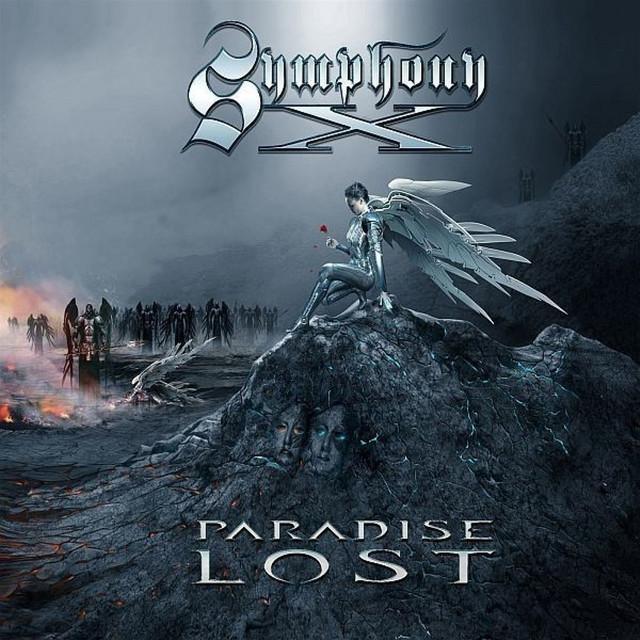
The Sacrifice by Symphony X
A dark love song at the edge of paradise
The meaning of The Sacrifice Symphony X comes down to one hard choice: they portray a love so powerful that the speaker accepts guilt, danger, and loss just to stay in it. This is not a simple romance. It is a song about temptation that feels sacred and destructive at the same time.
"The Sacrifice" - Symphony X
While you lay there in submission
Forbidden desire
Loading lyrics...
Unable to load lyrics
We're unable to display the lyrics at this time. Please try again later.
Symphony X released “The Sacrifice” on Paradise Lost, their seventh studio album, issued in 2007 through Inside Out Music. The record was loosely inspired by John Milton’s Paradise Lost and became the band’s first album to reach the Billboard 200, while also topping Billboard Heatseekers, according to widely cited album references. That context matters because the song does not sound like a random ballad. It sounds like one chapter in a larger story about fall, desire, and consequence.
Watch the official The Sacrifice
music video
Where the song places its emotional conflict
At the start, the lyrics frame intimacy as hypnotic and dangerous. The speaker is drawn in by tenderness, but the scene is already marked by surrender and taboo. Phrases like sweet lullabies
and forbidden desire
create that split feeling: comfort on one side, moral risk on the other.
This is why the song feels heavier than a standard metal love song. They do not describe love as safe or healing. They describe it as a moment where restraint burns away and two people step across a line they know exists.
The central trade the speaker makes
The key idea arrives in the title and chorus. The speaker chooses one person over every warning sign, even if that means losing something larger. When the song says heart beat away from paradise
, it suggests they are close to grace or innocence but turn away from it.
Interpretation: “Paradise” can mean heaven, purity, peace of mind, or simply the better path. The sacrifice is not only love’s pain. It is the surrender of reason, moral certainty, and maybe even eternal reward for one earthly connection.
How the verses build a fall from innocence
The verses move in a clear emotional line:
- Attraction begins as intimate and irresistible.
- The lovers drop their defenses.
- Guilt and outside judgment rush in.
- The speaker still refuses to leave.
That progression gives the song its tragic shape. It starts with seduction, then shifts into accusation. By the middle, the language grows sharper with ideas like fear and shame
and foolish accusations
. Whether those accusations come from society, religion, or the lovers’ own conscience, the pressure is real.
The line about looking for someone else to blame is especially revealing. It shows that the speaker knows this choice has consequences. They understand responsibility, but desire is stronger than self-protection.
Why the chorus feels like a vow
The chorus repeats the promise to remain with the beloved no matter what comes. That repetition matters because it turns temptation into commitment. This is no longer just a lapse in judgment. It becomes a deliberate vow.
When the stars lose their fire
And night steals the morning away
Forever and the day
I will stay here with you
Paraphrased, the speaker is saying they will remain even past the end of light, hope, or order. Cosmic images make the promise sound absolute. Stars fading and night taking morning suggest a world turned upside down. In that world, love becomes the one thing they still choose.
Interpretation: The chorus can be heard as romantic devotion, but it also has the tone of damnation accepted willingly. They are not rescued from desire. They settle into it.
Symbols that shape the song’s meaning
Several images carry most of the song’s power:
Moonlight, stars, and night
These are classic symbols of secrecy, desire, and altered judgment. Daylight usually brings truth or innocence; night allows hidden acts. When night overcomes morning, the song implies that darkness has won.
Fire and burning
The lyrics connect passion with destruction. Fire warms, but it also consumes. That dual meaning fits the whole song: desire feels alive, yet it leaves damage behind.
Paradise
This image links the track directly to the album’s larger biblical and Milton-inspired frame. On Paradise Lost, temptation is never just personal. It echoes a fall from grace.
How Symphony X’s sound deepens the story
Musically, “The Sacrifice” stands out because it is more restrained than many Symphony X tracks, but it still carries the band’s progressive metal weight. The group is known for blending progressive, power, neoclassical, and symphonic metal styles, and that broad palette helps the song feel both intimate and epic.
The arrangement supports the lyric meaning in three main ways:
- The tempo is measured, which gives the words room to feel serious rather than impulsive.
- The keyboards and layered atmosphere add a haunted, almost sacred mood.
- Russell Allen’s vocal delivery balances tenderness with force, making devotion sound costly.
That balance is important. If the music were too soft, the song would lose its sense of danger. If it were too aggressive, the tenderness would disappear. Instead, Symphony X place the song between confession and tragedy.
A few strong ways to read the song
There is more than one valid reading of the meaning of The Sacrifice Symphony X.
Interpretation 1: A forbidden romance. They tell the story of two people whose love is condemned, but the speaker stays anyway.
Interpretation 2: A spiritual fall. The beloved may represent temptation itself, with the speaker knowingly trading salvation for one brief experience.
Interpretation 3: Love as self-destruction. The song may be less about religion than about choosing a relationship they know will damage them.
All three fit the lyrics because the writing stays broad enough to feel human while still matching the album’s larger mythic tone.
Why the song still resonates
Part of the song’s appeal is that it does not judge the speaker from a distance. It lets them sound aware, guilty, and sincere all at once. Many listeners connect to that emotional mix. They understand what it means to choose something that feels right in the moment even when it may cost too much later.
That tension is what gives the song its staying power. It turns desire into a moral crossroads and then refuses to offer an easy escape.
Final takeaway
In the end, “The Sacrifice” is about choosing love or desire over safety, innocence, and peace. It frames that choice with the language of paradise, shame, and eternal loyalty, making a private act feel enormous.
This reading is an interpretation based on the lyrics, album context, and musical presentation. As with most songs, listeners may hear different meanings in the same lines.







