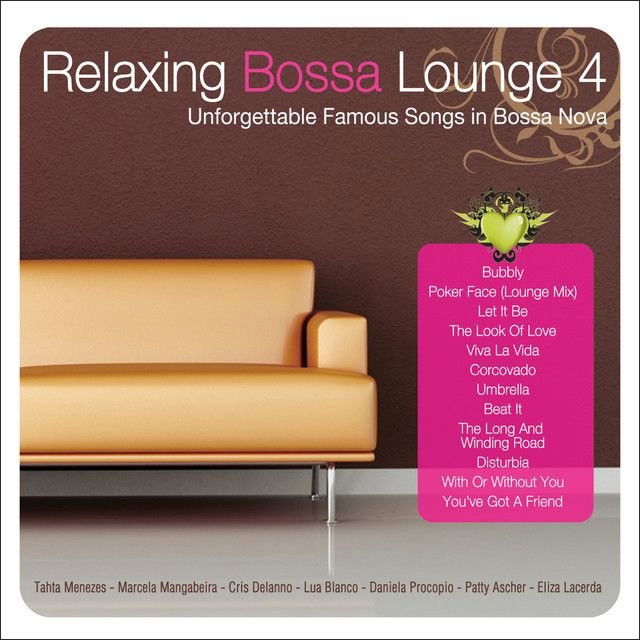
How Tahta Menezes Turns ‘Disturbia’ Inward
The meaning of Disturbia (Bossa Version) Tahta Menezes comes from tension between sound and subject. The lyrics describe a mind under pressure, but a bossa arrangement can make that panic feel smoother, closer, and more intimate. Instead of hitting like a pop shock, the song starts to feel like a quiet conversation with fear.
"Disturbia (Bossa Version)" - Tahta Menezes
Bum bum be-dum bum bum be-dum bum
Bum bum be-dum bum bum be-dum bum
Loading lyrics...
Unable to load lyrics
We're unable to display the lyrics at this time. Please try again later.
That contrast is the key. The words still point to confusion, dread, and mental overload, but the softer groove changes how listeners sit with those feelings.
The Core Idea Hiding Beneath the Calm
At its heart, the song is about a person feeling overtaken by a dark mental state. Early lines suggest burnout and emotional paralysis before the bigger metaphor arrives. Phrases like going insane
and thief in the night
turn that feeling into something sneaky and invasive.
Interpretation: rather than telling a simple story, the lyric maps what anxiety or panic can feel like from the inside. The threat is hard to name at first. Then it becomes a force that gets closer, changes thinking, and makes ordinary life feel unsafe.
The repeated idea of the mind being in “Disturbia” turns distress into a location. That matters because it suggests entrapment. They are not just sad or scared for a moment; they are stuck in an environment made of fear.

Watch the official Disturbia (Bossa Version)
music video
A Mindscape Built From Warnings
One reason the lyric works is its chain of warning images. The song starts with broken motion and blocked speech, then moves into danger signs. Break lights
suggests emergency, while city of wonder
sounds dreamy at first but quickly becomes hostile.
That flip from wonder to threat mirrors mental distress. Things that should feel normal start to seem unreal or unsafe. The listener hears a world where thoughts cannot be trusted and the usual rules no longer help.
Your mind is in Disturbia
darkness is the light
Those lines capture the song’s central paradox. The speaker knows something is wrong, yet the wrongness has become their normal. When darkness starts feeling like light, perception itself has been bent.
How the Verses Escalate the Panic
The verses move in stages:
- First comes shutdown: no energy, no speech, no clear response.
- Then comes intrusion: the fear enters quietly and takes over.
- Finally, identity starts to crack, especially when the speaker feels like
a monster
.
That last image is especially important. The song is not only afraid of the outside world. It is also afraid of what the speaker may become while overwhelmed. In plain terms, panic starts to feel like self-alienation.
Interpretation: the song can be heard as describing anxiety, depression, dissociation, or a general loss of control. The lyric leaves room on purpose. Its strength is that it does not lock itself to one diagnosis.
Why the Chorus Hits So Hard
The chorus keeps returning to the mind as the real setting. That repetition matters because it traps the listener in the same loop as the speaker. The warning is repeated, but the cycle does not break.
The line about thought being altered makes the song broader than a simple fear anthem. This is not just a bad mood. It is a condition that changes perception, judgment, and behavior. In that sense, the chorus is less a hook than an alarm.
For the meaning of Disturbia (Bossa Version) Tahta Menezes, the chorus may land differently than it does in a bigger, louder version. Sung over lighter rhythms, the words can feel eerier because the panic is no longer masked by chaos. It is exposed.
What the Bossa Style Adds to the Song
Bossa nova often brings softness, space, and sway. When those qualities meet a lyric about mental disturbance, the result can be unsettling in a fresh way. The arrangement may suggest elegance on the surface while the words describe collapse underneath.
That makes the performance feel layered. Listeners may first notice the warmth of the groove, then realize the song is still full of dread. This kind of contrast can deepen the emotional reading, because it reflects how people often hide distress behind calm behavior.
In practical terms, gentler guitar, lighter percussion, and smoother phrasing can pull attention toward the lyric’s details. Instead of racing with the beat, they hear the metaphors more clearly.
Songwriting Context and What It Suggests
The writers listed for the song in the provided context are Brian Kennedy Seals, Christopher Maurice Brown, Andre Darrell Merritt, and Robert L. Allen. That confirms the track comes from a collaborative pop-writing tradition, where hooks and striking images are built to be immediate.
Even so, the lyric stands out because it uses vivid, almost cinematic language to describe inner struggle. Images of disease, night, and distorted thought give the song a horror edge without becoming a literal story.
Interpretation: Tahta Menezes’ version likely matters because it shifts emphasis from spectacle to mood. The song becomes less about theatrical danger and more about living inside unease.
Final Take: Disturbia as Inner Weather
The meaning of Disturbia (Bossa Version) Tahta Menezes is ultimately about feeling trapped in a disturbed state of mind and trying to name that experience. Its images of warning, invasion, and altered thought turn psychological stress into a place the listener can almost see.
What makes a bossa version compelling is the contrast. The music may glide, but the lyric still trembles. That gap between calm sound and troubled meaning is what gives the song its lasting chill.
Disclaimer: This interpretation is based on the lyrics provided and common musical reading practices. Song meaning can remain open, and different listeners may hear different emotional truths in it.









