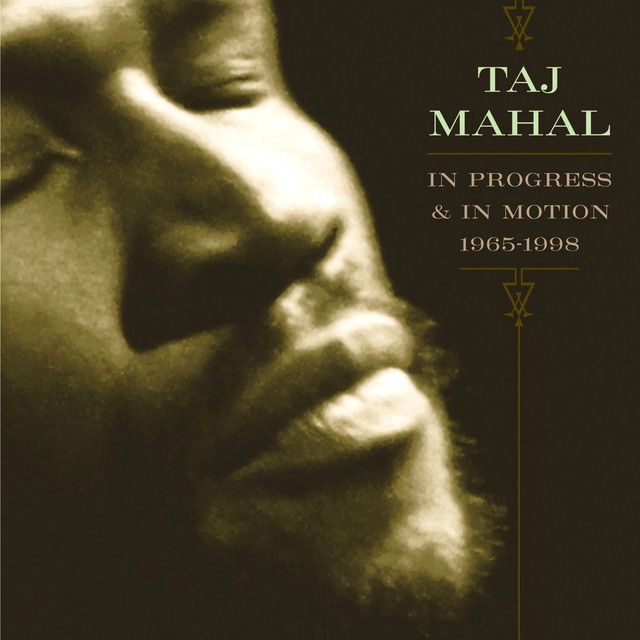
Statesboro Blues by Taj Mahal
A blues standard with a restless heart
The meaning of Statesboro Blues Taj Mahal starts with a man in distress. In Taj Mahal’s version, the singer sounds worn down, lonely, and still trying to charm his way back into someone’s life. The song was written by Blind Willie McTell and first recorded in 1928, with the title pointing to Statesboro, Georgia. Taj Mahal later reshaped it for his 1968 debut album, turning an older Piedmont blues song into something tougher and louder, with a blues-rock edge and striking slide guitar. According to Wikipedia’s song history, that arrangement became highly influential and helped inspire later versions by the Allman Brothers Band.
"Statesboro Blues" - Taj Mahal
Wake up mama, turn your lamp down low.
Have you got the nerve to drive poor papa Taj from your door?
Loading lyrics...
Unable to load lyrics
We're unable to display the lyrics at this time. Please try again later.
At its core, the song is about emotional trouble that feels bigger than one bad morning. The narrator wakes up carrying the Statesboro blues
, and the feeling spreads through the room and the memory of family. That phrase works like a private diagnosis. It is not explained in clinical terms. Instead, it stands for sorrow, instability, and the kind of pain blues songs often turn into voice and rhythm.
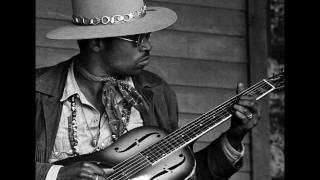
Watch the official Statesboro Blues
music video
What the narrator seems to want
On the surface, the story is simple. The singer calls to a woman and begs for access, warmth, or another chance. When they ask her to turn your lamp down low
, the request sounds intimate. It suggests nighttime, privacy, and a relationship that is still alive, even if strained.
But the song does not stay tender for long. The singer also asks if she would really send him away, framing rejection as almost cruel. That move matters. In many classic blues songs, the speaker is vulnerable and proud at the same time. Here, they are pleading, performing, and defending themselves all at once.
Interpretation: The song is less about one literal argument at the door and more about a person trying to hold onto dignity when love, home, and stability all feel shaky.
How the verses build a life in fragments
One reason the song feels powerful is that it does not unfold like a neat story. Instead, it gives snapshots:
- A nighttime appeal to a woman.
- A morning filled with the
Statesboro blues
. - Family lines about being left
reckless
andwild
. - A sudden plan to go
to the country
. - A final statement of devotion and respect.
These pieces do connect, even if they arrive out of order. The family lines are especially important. When the singer says loss made them reckless and wild, the song widens from romance into biography. This is not just a lover with hurt feelings. This is someone shaped by grief, instability, and a long history of not being securely held.
That helps explain the bragging and the tenderness later on. When the singer says he treats the woman like royalty, he is trying to prove worth in the middle of disorder.
The old blues theme behind the title phrase
The title phrase is memorable because it does several jobs at once. It names a place, but it also names a condition. In blues writing, locations often carry emotional weight. Statesboro is not only a town. It becomes a symbol for hardship, memory, and a burden the singer cannot shake.
Blind Willie McTell’s original is often described as a first-person blues narrative with a non-linear structure. That matters for Taj Mahal’s version too. Taj did not erase the song’s mystery. They kept the feeling that the blues are both personal and larger than one person.
Wake up mama
turn your lamp down low
That brief refrain captures the song’s tension. It mixes invitation with desperation. The singer wants comfort, but the repeated call also shows fear of being shut out.
Why Taj Mahal’s version hits so hard
Taj Mahal’s recording changed the emotional temperature of the song. Their 1968 adaptation on the debut album is more forceful than the 1928 original, and a big reason is the arrangement. Jesse Ed Davis’s slide guitar does not just decorate the track. It cries, leans, and answers the vocal like another troubled voice.
That sound matters to the song’s meaning. Slide guitar can mimic moans, bends, and near-speech. In “Statesboro Blues,” it reinforces the idea that pain cannot be said plainly. It has to be bent into tone. The groove also pushes forward instead of sinking under sadness, which gives the song grit and momentum.
Historically, that arrangement had real impact. Reports collected in the song’s history note that hearing Taj Mahal perform it with Jesse Ed Davis made a deep impression on Duane Allman, who then focused intensely on slide guitar. So Taj Mahal’s version is not only a cover; it is a bridge between country blues and electric Southern rock.
Love song, survival song, or both?
There are at least two strong ways to hear the song.
Interpretation 1: It is a troubled love song. The singer wants back into a damaged relationship and uses charm, complaint, and praise to get there.
Interpretation 2: It is a survival song. Romance is part of it, but the deeper issue is a person carrying inherited pain and trying to find shelter, movement, and self-respect.
Both readings fit because blues songs often hold several truths at once. A line about a lover can also be about loneliness. A place name can also be a state of mind.
Why the song still lasts
The meaning of Statesboro Blues Taj Mahal lasts because the song never reduces suffering to one cause. It is about desire, but also displacement. It is about swagger, but also hurt. Taj Mahal’s version preserves the old blues spirit while making it feel immediate and physical.
That is why the song continues to travel across generations. The writing is spare, the emotions are mixed, and the performance turns confusion into sound. Listeners do not need every detail explained to feel what the singer is carrying.
Disclaimer: This interpretation is based on the lyrics, performance, and documented song history. As with many blues songs, meanings can remain open and personal.








