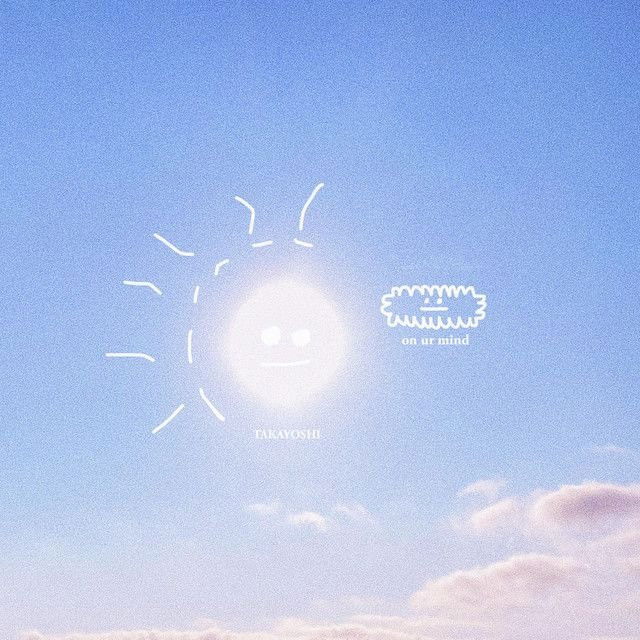
Why "on ur mind" by Takayoshi Still Stings
The meaning of on ur mind Takayoshi comes down to a sharp emotional contradiction: a breakup is supposed to create distance, but this song lives in the space where distance does not feel real yet. The speaker says the relationship is over and even claims a kind of freedom, yet they keep circling the same question—does the other person still think about them?
"on ur mind" - Takayoshi
Selfish or fair
Don't you say you love me
Loading lyrics...
Unable to load lyrics
We're unable to display the lyrics at this time. Please try again later.
That tension gives the track its bite. It is not simply sad, and it is not fully confident either. Instead, Takayoshi frames a breakup as a battle between hurt feelings and self-protection.
The Real Heart of the Song
At its core, the song is about unresolved emotional residue after a breakup. The speaker believes the other person was never fully honest, and that belief shapes everything that follows. Early lines suggest they doubt the ex ever truly cared, especially around the phrase you never cared
. That is less a calm fact than a wounded conclusion.
From there, the song shifts from accusation to uncertainty. The speaker cannot tell whether the ex is happier with someone else, which means they are still watching, guessing, and comparing. That is why the song feels so realistic: they want to sound done with the relationship, but they are clearly still pulled into it.
Interpretation: The song is not only asking whether the ex still thinks about them. It is also asking whether the breakup meant what the ex claimed it meant.

Watch the official on ur mind
music video
A Narrator Caught Between Pride and Pain
One of the strongest parts of the lyric is how conflicted the speaker sounds. They open by wondering whether they are being selfish or fair. That one thought matters because it shows self-awareness. They are not acting like a spotless victim.
Still, they quickly return to blame and disbelief. When the chorus lands on always on your mind
, the song turns insecurity into a challenge. The question is not gentle. It sounds like they want proof that they mattered.
Who are they talking to?
The speaker addresses an ex directly, but there is also a second audience: themself. Many lines sound like they are trying to convince themself that they have the upper hand now. The phrase I'm finally free
is a good example. It sounds strong on paper, yet because it comes with more questions, it feels only partly convincing.
That is what makes the voice believable. They are trying to heal, but their ego keeps stepping in.
How the Story Unfolds Line by Line
The song follows a clear emotional path:
- They question the fairness of their own feelings.
- They accuse the ex of never truly caring.
- They admit confusion about what the ex wants now.
- They suggest the ex hides behind appearances, hinted by
put on a face
. - They turn the breakup into a test: if it is over, why do they still seem present in the ex's thoughts?
That structure helps explain why the chorus hits hard. The verses gather evidence, while the hook delivers the main challenge.
I know that you said goodbye to me
But tell me why
am I always on your mind
Those lines summarize the song's emotional logic. The breakup happened, but the speaker senses that the ending was incomplete.
What the Chorus Really Means
The chorus is built around contradiction. Someone can say goodbye, but that does not mean the bond disappears. In this song, the speaker treats lingering attention as emotional proof.
Interpretation: They may believe that being remembered equals being loved, or at least being missed. That is why the repeated question matters so much. It is less about memory in a casual sense and more about whether the relationship still has power.
There is also a subtle layer of revenge in that idea. If the ex still thinks about them, then the speaker has not been erased. That possibility softens the pain of rejection.
Small Phrases, Big Themes
The writing is direct and conversational, which fits the song's emotional messiness. A phrase like all the damn maybes
shows frustration with mixed signals. They do not want vague excuses or half-truths anymore.
Another key line is never met a man like me
. That sounds bold, but it also reveals insecurity. People often make grand claims after heartbreak because they are trying to restore self-worth.
Across the song, a few themes keep returning:
- regret after separation
- emotional ambiguity
- pride as self-defense
- the need to be remembered
- freedom that does not feel complete
These themes make the song feel current and relatable, especially for listeners used to breakup dynamics shaped by indirect communication and social performance.
How the Sound Likely Carries the Message
Only the lyrics and writer credit were provided here, with Andrew Takayoshi named as the writer. No verified producer, release date, or album details were supplied, so any sonic reading has to stay interpretive.
Interpretation: Based on the wording, the song likely works best with a moody, intimate production style. The repeated hook suggests space for echo, repetition, or a melodic loop that mirrors obsessive thinking. The conversational lines also fit a restrained vocal approach, where small cracks in delivery can do more than dramatic belting.
In other words, this is the kind of song where atmosphere probably matters as much as plot. If the production is sparse or nocturnal, that would strengthen the feeling of replaying a breakup in one's head.
Why the Song Connects
The meaning of on ur mind Takayoshi resonates because it captures a common post-breakup impulse: wanting to move on while still wanting confirmation that the other person feels the loss too. That emotional double move is the song's real subject.
Rather than offering closure, Takayoshi leaves the listener inside the question. That choice feels honest. Many breakups do not end with answers; they end with lingering thoughts, wounded pride, and the hope that the connection mattered more than the silence suggests.
Disclaimer: This interpretation is based on the provided lyrics and available context, and song meanings can vary from listener to listener.








