Why 'A Decade Under the Influence' Still Hits
The meaning of A Decade Under The Influence Taking Back Sunday comes down to one sharp emotional scene: two people trapped in the aftermath of a breakup, trying to act normal while everything feels broken. The song turns that discomfort into something louder and more chaotic. It is not just about missing someone. It is about resentment, self-doubt, and the ugly energy that can survive after love is gone.
"A Decade Under The Influence" - Taking Back Sunday
It used to be this dying breed
Well, I've got a bad feeling about this
Loading lyrics...
Unable to load lyrics
We're unable to display the lyrics at this time. Please try again later.
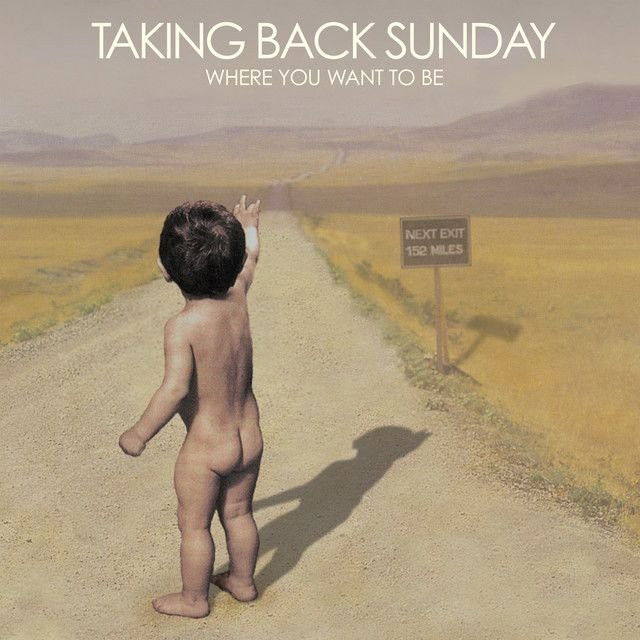
Released on June 21, 2004, as the lead single from Where You Want to Be, the track helped become one of Taking Back Sunday’s breakout songs. It was produced by Lou Giordano and recorded at Mission Sound in Brooklyn and Water Music in Hoboken, according to documented release details. It also reached No. 16 on Billboard’s Modern Rock chart, showing how strongly it connected outside the core emo scene.
The breakup at the center of the song
Factual context helps a lot here. Adam Lazzara has said the song came from an awkward drive with his ex-girlfriend after they had already broken up. According to Songfacts, he described it as one of the most awkward car rides he had ever experienced, tied to a trip to see Coldplay. That story makes details like the long drive home
and sitting quietly near the window feel less random and more painfully specific.
The verses capture that silence. One person stays still, the other fills the air with anxiety. The repeated warning, bad feeling about this
, sounds like a mind trying to process what the heart already knows. They are in motion physically, but emotionally they are stuck.

Watch the official A Decade Under The Influence
music video
When desire turns into bitterness
What makes the song powerful is how quickly sadness becomes aggression. The chorus does not sound calm or reflective. It lashes out. When the narrator spits to hell with you
, it feels less like final closure and more like a defensive move from someone who feels embarrassed, hurt, or pushed aside.
Interpretation: this is a song about emotional whiplash. The narrator seems pulled between wanting closeness and wanting revenge. That tension explains why the lyrics move from fragile descriptions of the other person to open hostility.
There is also a strong sense of wounded pride. The line about friends widens the target, making the anger social, not just romantic. In other words, the breakup seems to affect identity and belonging, not only love.
The song’s most revealing lines
Late in the track, the writing gets even more blunt. The phrase anyone will do tonight
suggests rebound behavior, but not in a glamorous way. It sounds empty on purpose. Instead of healing, the narrator seems ready to numb the pain with distraction.
That feeling continues in the song’s most telling confession:
it never was enough
my worst brings out the best in you
These short lines point to a toxic dynamic. One person feels permanently insufficient. At the same time, they believe their own flaws somehow sharpen the other person’s strength or control. That is a painful imbalance, and it gives the song its lasting sting.
A portrait of confusion, not clarity
One reason the track still resonates is that it does not pretend breakups make sense. It presents contradiction after contradiction:
- attraction mixed with disgust
- vulnerability mixed with posturing
- memory mixed with self-sabotage
- intimacy mixed with distance
That is why the title matters. Interpretation: “under the influence” likely works as a metaphor for living under the power of unresolved emotion. It may hint at reckless behavior too, but the deeper idea is being controlled by feelings they cannot master.
Wikipedia’s summary of the song’s meaning notes that it centers on someone realizing they understand less about the world than they thought. That idea fits the lyrics well. This is not only heartbreak. It is disorientation. The narrator no longer trusts their own reading of the relationship, or maybe of themselves.
How the sound carries the meaning
Musically, the song turns inner panic into motion. The main riff, which originated with Eddie Reyes, gives the track its urgent pulse. The guitars are bright but tense, and the drums push everything forward as if the song cannot sit still.
That restlessness mirrors the lyrics. The arrangement keeps building, then crashing back into the refrain. Lazzara’s voice often sounds half-sung and half-spit, which fits the push-pull between confession and attack. The band’s emo style matters here: melody keeps the song accessible, while the rough edges preserve the mess.
This was also a key transition era for Taking Back Sunday. Where You Want to Be followed lineup changes, including Fred Mascherino joining on lead guitar and Matt Rubano on bass. Even without claiming the lyrics are about the band, that unstable moment in the group’s history adds to the record’s feeling of volatility and reinvention.
Why listeners still connect with it
The meaning of A Decade Under The Influence Taking Back Sunday stays relevant because it captures a feeling many people know but struggle to name: the point where heartbreak becomes self-destructive theater. The narrator is not noble. They are jealous, impulsive, needy, and angry. That honesty is exactly why the song works.
Interpretation: listeners can hear it as a breakup song, a portrait of emotional immaturity, or even a broader story about losing faith in their own judgment. All three readings fit because the lyrics stay close to feeling rather than neat explanation.
Final takeaway
At its core, this song is about being trapped between attachment and rejection. It turns one bad car ride into a larger picture of confusion, ego, and grief. Taking Back Sunday made that tension sound huge, which is why the track still feels immediate years later.
Disclaimer: This interpretation mixes documented artist context with lyrical analysis. As with most songs, different listeners may hear different meanings in the same lines.








