Why 'The Bidding' Turns Love Into a Sale
The meaning of The Bidding Tally Hall starts with a clever joke: romance is staged like an auction. But the song does more than play with a funny idea. Beneath its bright energy, it suggests that dating can feel like a market where people advertise themselves, compete for attention, and confuse desire with value.
"The Bidding" - Tally Hall
Spending every dollar at the liquor shop
And even though I know I haven't got a lot
Loading lyrics...
Unable to load lyrics
We're unable to display the lyrics at this time. Please try again later.
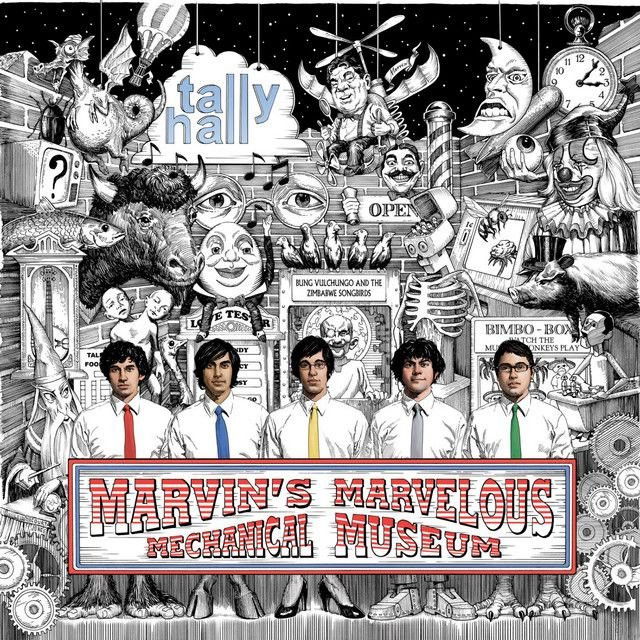
Tally Hall built a reputation for smart, theatrical indie pop, and “The Bidding” fits that style well. Written by Joseph Robert Hawley, Robert Cantor, Ross Federman, Zubin Sedghi, and Andrew Horowitz, the song appeared on Marvin’s Marvelous Mechanical Museum, the band’s 2005 debut album. That larger album often mixes humor, anxiety, and character-driven writing, which helps explain why this song sounds playful while saying something uneasy.
An Auctioneer’s Joke With a Sharp Edge
On the surface, the narrator is pitching himself to potential partners. He boasts, flatters, and promises everything. The repeated auction call, especially going once, going twice
, frames attraction as public bidding rather than private feeling.
That setup matters because it changes the whole emotional world of the song. Instead of love growing through trust, the narrator acts like a product. He tries to increase his value with stories, salesmanship, and exaggerated charm.
Interpretation: The song satirizes the way people perform confidence in dating. It suggests that when romance becomes a contest, everyone starts speaking like a salesperson.

Watch the official The Bidding
music video
The Narrator Sells Himself Cheap and Loud
The verses swing between self-pity and bragging. Early on, the narrator describes low status and instability, then quickly claims he can offer endless devotion. That contrast makes him sound both desperate and theatrical.
He even compares himself to an obedient animal with Pavlov dog
. In plain terms, he says he can be trained and activated on command. That image is funny, but it also shows a loss of dignity. He is willing to give up independence if it means being wanted.
Later, the boasting gets bigger and less believable. He claims huge romantic experience and presents himself as universally desirable. Because the claims are so extreme, the song hints that this confidence is an act. He is not simply attractive; he is advertising attraction.
What the Chorus Really Reveals
The song’s hook is where the satire becomes clearer. The repeated auction language makes the whole room feel transactional. People are not meeting each other; they are evaluating inventory.
One of the song’s smartest lines is Every man here has a price
. That phrase pushes the idea beyond one narrator. It implies a whole social system where worth is measured, compared, and bought.
Then the chorus undercuts the pitch with rejection. For all the noise, no one seems truly moved. The comedy lands because the salesman keeps performing even when the room does not respond.
I promise I'll be all you'll need
You'll never have to shop around
Those lines sound romantic at first, but in context they are still sales language. Even the promise of loyalty is framed through shopping. That is the song’s trick: it uses the language of devotion while quietly exposing the language of commerce.
Class, Fantasy, and Buying Affection
Another key part of the meaning of The Bidding Tally Hall is class. The narrator talks about money and status with a grin, including the word bourgeoisie
. That gives the song a social angle beyond dating.
He is not just trying to be loved. He is trying to sell a fantasy of status, romance, and convenience. If someone wants to feel like royalty, he says they can spend for the experience.
Interpretation: This can be read as a critique of consumer culture. Love here is not only emotional exchange; it becomes a packaged dream. The song asks what happens when people stop seeking connection and start buying images of happiness.
Why the Sound Feels So Important
Musically, “The Bidding” helps its meaning through speed and showmanship. The arrangement feels brisk, bouncy, and stage-ready. The piano-driven momentum and group-vocal energy create the atmosphere of a live pitch, almost like a cabaret act or carnival bark.
That matters because the sound keeps the song from turning heavy too early. Tally Hall lets listeners laugh first. Only after the hook repeats does the darker idea sink in: this whole performance is a little sad.
The vocal delivery also sells that tension. The singer sounds eager, polished, and slightly manic, which fits a character trying too hard. The music and words work together to show a person turning themselves into entertainment.
The Last Twist: Everyone Is Too Busy Competing
By the final section, the song widens its target. It is no longer just about one dramatic man. It starts to describe a dating scene where many people want love, but nobody really sees one another.
The final image suggests that people are so focused on winning that they stop caring what they are winning. That is the bleakest idea in the song. The auction is exciting, but the prize may be empty because the process itself has replaced intimacy.
The Takeaway Behind the Smile
So, what is the meaning of The Bidding Tally Hall? Most clearly, it is a witty critique of dating as performance, competition, and commerce. The narrator tries to make himself irresistible, but the song keeps exposing how hollow that strategy can become.
Its brilliance is the balance between fun and discomfort. Tally Hall turns a catchy, theatrical pop song into a sharp comment on how people market themselves when they are afraid of not being chosen.
Disclaimer: This interpretation is based on the song’s lyrics, tone, and musical presentation. Like many Tally Hall songs, “The Bidding” allows for more than one valid reading.









