Why 'Love and War' Hits So Hard
The meaning of Love and War Tamar Braxton comes down to one big idea: real commitment can be messy, painful, and still worth saving. Rather than pretend romance is always soft and easy, the song shows a couple moving from affection to argument and back again.
"Love and War" - Tamar Braxton
Only Marvin Gaye and lingerie, I guess somebody lied
We started discussin' it to fightin' then "Don't touch me, please"
Loading lyrics...
Unable to load lyrics
We're unable to display the lyrics at this time. Please try again later.
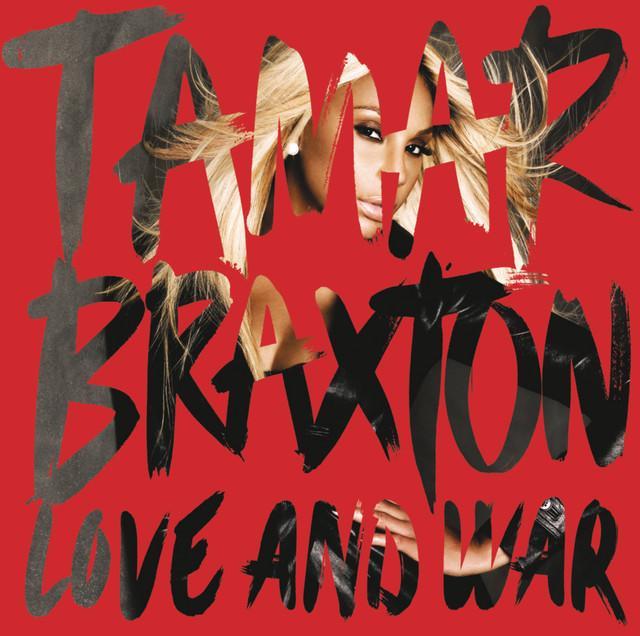
Released as the lead single from Tamar Braxton's second album Love and War in December 2012, the track became a major comeback moment, reaching No. 1 on iTunes within a day and later earning two Grammy nominations. Factually, it was written by Tamar Braxton, LaShawn Daniels, Makeba Riddick, and Darhyl Camper Jr., and produced by DJ Camper. Those details are widely documented in the research sources provided.
A Love Song That Refuses to Sound Perfect
At the start, the song pushes back on fantasy. The opening idea says someone promised easy romance, but reality turned out very different. Instead of endless sweetness, this relationship includes arguments, hurt feelings, and moments where both people pull away.
That is why the song feels honest. It moves quickly from desire to damage, using short turns like Don't touch me, please
and then come lay with me
. In plain terms, the same couple can want space one minute and closeness the next.
Interpretation: The song is not saying dysfunction is glamorous. It is saying intimacy often exposes pride, fear, and vulnerability. The more important the relationship is, the more deeply conflict can cut.

Watch the official Love and War
music video
The Central Metaphor: Romance as a Battlefield
The song's most memorable choice is its war imagery. Tamar frames the relationship through phrases like front lines
, bomb drops
, and smoke clears
. None of that is literal. It is emotional language for the blast radius of an argument.
This metaphor works because it captures two truths at once:
- Love can feel protective and united.
- Love can also feel like combat when trust breaks down.
When the chorus says they are still there after everything falls apart, the focus is survival. They hurt each other, lose control, cry, and then remain. The battlefield image makes the damage vivid, but it also makes endurance feel heroic.
When the smoke clears we dry our tearsIn context, that moment suggests the fight ends, the emotions settle, and the couple faces what happened instead of walking away.
How the Verses Build the Story
The verses show a repeating cycle rather than one single fight. First comes affection and ease. Then a disagreement escalates. Then both people try to recover. That pattern matters because it keeps the song from sounding like a breakup anthem.
A key line of thought appears when the narrator admits they are ready to wave a white flag before things get worse. That changes the emotional stakes. Winning the argument matters less than saving the relationship.
Later, the partner is described as both leader and enemy. In one moment, they guide the team; in another, they become the person on the other side. That contrast captures how unstable conflict can feel inside a close bond.
Why the Hook Feels So Human
The emotional center of the song is not the fighting itself. It is the decision to stay engaged even when love hurts. The narrator more or less says that if tears are the price of reaching the other side, they are willing to pay it.
Interpretation: This is a song about choosing repair over ego. That does not mean every relationship should survive every battle. It means this narrator believes theirs is worth the effort.
Tamar Braxton's Real-Life Context Matters
The meaning gets sharper when placed against Tamar Braxton's own comments. In the background material summarized by sources like Wikipedia and Songfacts, Braxton said the track felt fitting for what she and her husband Vince Herbert had been through in their marriage. She also described the song as reflecting a relationship where they fought hard but loved harder.
That context does not lock the song into autobiography, but it does support a personal reading. Even Essence reportedly framed the track as being about more than a minor lovers' spat and tied it to marriage. For listeners, that makes the performance feel less theoretical and more lived-in.
How the Sound Carries the Meaning
Musically, Love and War is a contemporary R&B/soul ballad, and the arrangement helps sell the emotional swings. The production leaves room for Tamar's voice to move from restraint to near-break point. That rise-and-fall mirrors the lyrics.
The melody stretches on the big emotional words, giving the chorus a sense of strain and release. The slow tempo keeps the song from sounding reckless; instead, it feels heavy, as if each argument has history behind it.
Her vocal delivery is essential here. Tamar does not sing like someone casually complaining. She sounds torn between exhaustion and devotion. That is why critics responded so strongly when the single arrived: the performance turns a familiar relationship theme into something dramatic and believable.
Why the Song Still Connects
Part of the song's staying power is that it avoids simple answers. It does not say love is easy, and it does not say conflict means failure. It lives in the uncomfortable middle, where two people can wound each other and still want home to be with each other.
For many listeners, that complexity is the whole point. The meaning of Love and War Tamar Braxton is not just about fighting. It is about what happens after the emotional explosion: whether both people take off the armor, come back, and try again.
Final Take
In the end, Love and War treats romance as both refuge and risk. Its message is that mature love is not proven by avoiding conflict, but by what two people do after it.
That reading is an interpretation based on the lyrics, credited background information, and the song's performance style. Like many strong ballads, it leaves room for listeners to hear their own relationships in it.









