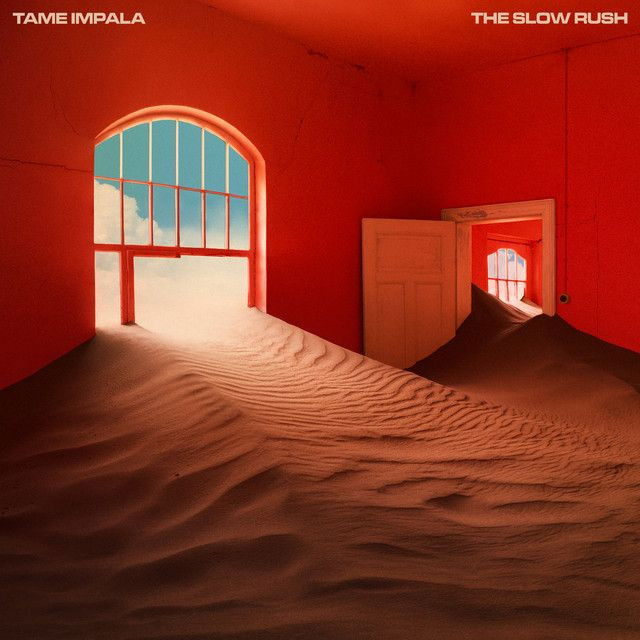
Why “Is It True” Feels So Honest
The meaning of Is It True Tame Impala comes down to one hard problem: how do they tell someone they are in love when they cannot promise what they will feel years from now? That tension gives the song its emotional pull. It sounds bright, smooth, and danceable, but underneath the groove is a person wrestling with honesty, fear, and the limits of commitment.
"Is It True" - Tame Impala
Feelin' all different kinds of things
We were talkin' about everything
Loading lyrics...
Unable to load lyrics
We're unable to display the lyrics at this time. Please try again later.
On paper, that may sound simple. In practice, it is what makes the song sting. Instead of offering a grand romantic speech, the narrator stops at uncertainty. They want love to last, but they refuse to pretend they control the future.
The Real Heart of the Song
At its core, “Is It True” is about emotional truth versus romantic expectation. The narrator is in an intimate conversation that moves from casual talk into a deeper question about forever. Once the subject shifts toward long-term devotion, their confidence breaks.
That is why the key line is not a declaration of love, but a question. The repeated Is it true?
sounds like another person asking for reassurance, but it also feels like the narrator questioning their own words. They can say they are in love now. They just cannot promise that feeling will remain unchanged forever.
Interpretation: The song is not anti-love. It is anti-false certainty. They would rather sound disappointing than dishonest.
Watch the official Is It True
music video
A Love Song Built on Hesitation
The verses begin with closeness and ease. Two people are together in the morning, talking freely, moving from ordinary subjects to life-changing ones. That everyday setting matters because it makes the emotional turn feel realistic. Nothing dramatic happens. The pressure comes from conversation itself.
When the lyric reaches talkin' 'bout devotion
, the song enters its main conflict. Devotion suggests permanence. The narrator can handle the present, but eternity is harder. That leads to the emotional center of the song: how can I know
what they will feel later?
This is where Parker’s writing is especially sharp. He does not frame doubt as a lack of care. In fact, the uncertainty seems to come from caring enough to answer seriously.
Why the Chorus Lands So Hard
The chorus gives the song its emotional shape. The other person asks for clarity, and the narrator responds with a painful kind of honesty: It's a promise I can't make
. That line explains the whole song.
Instead of treating love as a magical guarantee, the chorus treats it as a present feeling facing an unknowable future. The repeated refrain creates a loop of pressure and retreat. Even the fallback answer, We'll see
, sounds both hopeful and unsatisfying.
We'll see
See how we go
Until we know
That brief moment sums up the song’s worldview. Love may be real, but time is bigger than intention.
Kevin Parker Context Matters
“Is It True” appears on The Slow Rush, released in 2020. According to Songfacts, Parker described the song through Apple Music as a statement about young love and uncertainty: they hope it lasts, but all they can honestly say is “we’ll see” (Songfacts).
That explanation fits the larger album, which often deals with time, change, and the fear of losing control. Songfacts also notes that some listeners connect Parker’s caution about lifelong commitment to the fact that his parents separated when he was very young (Songfacts). That is useful context, but it should be treated carefully. It may inform the song, yet it does not reduce the lyric to biography.
Songfacts also describes “Is It True” as a kind of prequel to “Instant Destiny,” another Slow Rush track where Parker sounds more ready to leap into commitment (Songfacts). Put together, the two songs feel like different stages of the same emotional arc.
The Sound Says One Thing, the Words Another
Part of the song’s brilliance is its contrast. The production is sleek and buoyant, drawing on disco, synth-pop, and funk textures. The bass moves with confidence, the drums keep things light on their feet, and the polished groove makes the track feel almost carefree.
But the lyric is not carefree at all. That mismatch matters. Parker often uses shiny production to frame private anxiety, and that is exactly what happens here. The listener can dance to it while still hearing someone stall at the edge of a life promise.
That tension also explains why the song invited a more club-focused remix. The FADER noted that Four Tet’s 2020 version pushed the song further into house music while keeping Parker’s romantic uncertainty at the center (The FADER). Even in a different setting, the lyric’s doubt remains the hook.
A Few Strong Interpretations
There are two especially convincing ways to read the song:
- A mature love song: They care enough to reject fake promises.
- A fear-of-commitment song: They want love, but panic when it asks for permanence.
Both readings can be true at once. That is why the song feels human. It captures a moment when sincerity and avoidance are almost impossible to separate.
Why the Song Still Connects
The meaning of Is It True Tame Impala lasts because it names something many people feel but rarely say aloud. In real relationships, love does not erase uncertainty. Sometimes the bravest answer is not “always.” Sometimes it is “I mean this now, and I hope it lasts.”
That makes “Is It True” less like a breakup song or a simple love song, and more like a song about emotional responsibility. It asks whether honesty can survive romance’s demand for certainty.
Disclaimer: This interpretation combines lyrical analysis with publicly available artist context. As with any song, meaning can remain open, and listeners may hear it differently.









