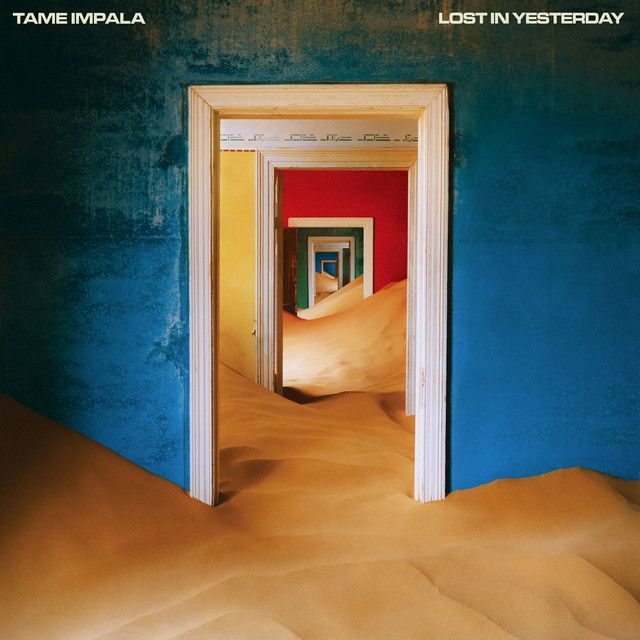
Why Tame Impala’s ‘Lost In Yesterday’ Says Move On
Nostalgia feels warm—until it traps you. Tame Impala’s “Lost In Yesterday” turns that tension into a glittering groove, asking whether reliving the past helps or quietly holds you back.
"Lost In Yesterday" - Tame Impala
Back when we used to get on it four out of seven
Now even though that was a time I hated from day one
Loading lyrics...
Unable to load lyrics
We're unable to display the lyrics at this time. Please try again later.
Nostalgia’s Trap, in Plain Words
At its core, the song studies how memory rewrites our history. The narrator admits that even hard times can soften with distance, as if terrible memories turn into great ones
. That’s the hook: our brains are unreliable storytellers.
Then the chorus poses a challenge and a cure.
Does it help to get lost in yesterday? And you're gonna have to let it go someday
Interpretation: The question is rhetorical. It acknowledges nostalgia’s pull, then insists on release. If you’re searching for the meaning of Lost In Yesterday Tame Impala, it’s this: enjoy the glow, but don’t live there.
Watch the official Lost In Yesterday
music video
Who’s Talking, and Why It Stings
The voice shifts between reflective and instructive. It often speaks in second person, like a friend giving tough love. The mantra toggles between embrace it
and erase it
—accept the memory’s lesson, but delete its power over your present. That tension makes the advice land. It isn’t anti-nostalgia; it’s anti-rumination.
From Perth Memories to Permission to Forget
Across the verses, the narrator recalls scrappy early days that later felt romantic. The point is not whether those years were good or bad; it’s how time sweetens the story. They also cite a friend whose plan didn’t pan out, an example of how replaying regrets can stall a life.
Two turning lines act like therapy homework. First, they admit the brain’s bias: terrible memories turn into great ones
. Then comes the action step: when the past returns, If it haunts you, face it
. The song argues that facing is different from reliving. One is processing; the other is looping.
Symbols You Hear and See
diggin’ it up like Groundhog Day
: Repetition. The more you excavate the same story, the deeper the rut.snakes and ladders
: A childhood game, here symbolizing life’s random setbacks and sudden boosts. Memory can flatten those swings into a cleaner arc than they were.- Embrace/erase: That push-pull shows how healing works—hold the insight, drop the drag.
- The video’s ‘70s wedding: Each pass grows sunnier before chaos reappears, mirroring how we polish old scenes until the original mess barges back in.
The Groove That Sells the Message
“Lost In Yesterday” pairs hard truths with soft focus. Kevin Parker wrote, produced, and performed everything, threading disco snap, dubby textures, and a funk-leaning, “groovy” bassline into a smooth, mid-tempo glide. The drums pump with sidechain pull; synths haze the edges; vocals sit close yet dreamlike. That sleek glide feels like memory itself—attractive, stylized, and slightly unreal.
The track anchors The Slow Rush’s broader fixation on time—how it accelerates, distorts, and reframes. The production choice is the point: if nostalgia is seductive, the music should seduce. By the time the chorus asks its question, the rhythm section has already shown the answer. You can move forward and still enjoy yesterday’s glow.
Reception backs up the song’s resonance. It became Tame Impala’s first U.S. airplay #1 on Billboard’s Adult Alternative Songs chart in 2020 and placed #5 in Triple J’s Hottest 100 of 2020. It also drew accolades and award nominations, proof that its message of release connected well beyond diehards.
Other Ways To Hear It
- Interpretation: Creative reinvention. The embrace/erase toggle can be about an artist’s past self. Keep the skills; ditch the myths that keep you stuck.
- Interpretation: Relationship storytelling. The Groundhog Day loop reads like replaying a breakup until the narrative feels heroic—or hopeless. The song urges balance.
Both readings rest on the same idea: memory is a tool, not a home.
Takeaway You Can Keep
“Lost In Yesterday” doesn’t shame nostalgia. It reframes it. Visit the past for wisdom and warmth. But when old reels start to loop, choose the present. If the past knocks again, remember the rule of thumb: If it haunts you, face it
—then move on.
Disclaimer: Song meanings are subjective. This interpretation blends documented context with critical inference.









