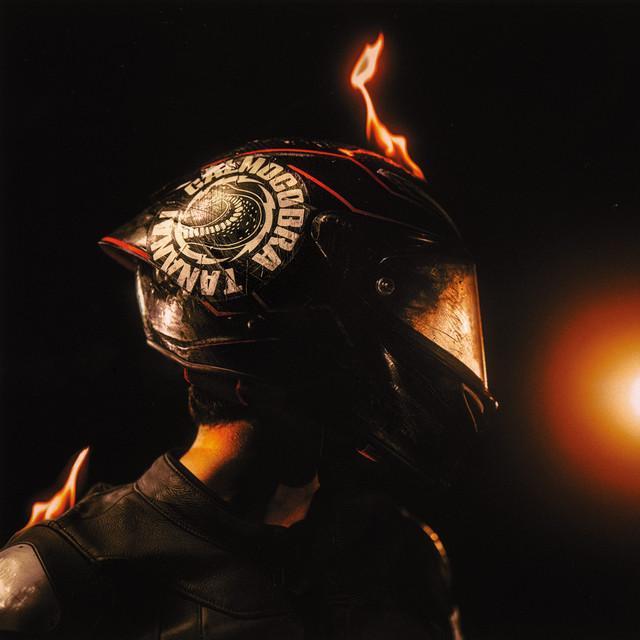
Why 'FANGO' by Tananai Stays in the Mud
The meaning of FANGO Tananai comes into focus fast: this is a song about staying emotionally present when life feels ugly, small, and stuck. Rather than offering a clean love story, it shows affection inside confusion. Its central image, mud, turns emotional struggle into something physical, messy, and hard to escape.
"FANGO" - Tananai
E questo fa paura
Che il futuro, se resti da solo, lo vedi col binocolo
Loading lyrics...
Unable to load lyrics
We're unable to display the lyrics at this time. Please try again later.
Tananai is known in Italy for pairing sharp pop writing with emotional honesty, especially after the breakout success of Tango, his 2023 Sanremo hit, which finished fifth and later reached major chart success in Italy, including multi-platinum certification according to public chart summaries and reference databases. That matters here because FANGO fits the same larger artistic pattern: simple words, heavy feeling, and vulnerability that does not try to sound noble.
The Heart of the Song Is Loyal Imperfection
At the most direct level, the song describes evenings when the speaker feels fragile. They say some nights make them feel small, and that smallness is frightening. The future looks far away, almost unreachable, as if it can only be seen from a distance. That opening creates the song’s emotional weather: fear, isolation, and frustration.
But FANGO does not stay in self-pity. It pivots toward connection. The repeated idea of singing "here in the mud" suggests an act of love that happens in bad conditions, not after things improve. When the lyric lands on qui nel fango
, it turns mud into more than a setting. It becomes the proof of sincerity. If care survives there, it is real.
Interpretation: The song argues that love is most truthful when it appears during weakness, not confidence. They are not singing from a perfect place. They are singing from the ground.
Who They Are Singing To
The addressee feels close, complicated, and deeply known. The lyric notices details, including the person getting ready while the speaker is captivated. That small observation makes the relationship feel intimate rather than abstract.
Still, the song is not idealized. The line about being drawn to un bastardo
introduces self-awareness and emotional risk. Someone in this relationship may be unreliable, immature, or simply unable to say the right thing. Yet the song does not reduce them to that flaw.
Later, the addressee seems to challenge the speaker: where are they going, and do they even have a place in the world? Paraphrased, it sounds like an argument between two people who are both scared. One doubts belonging; the other answers by insisting that belonging may be here, side by side.
A Short Emotional Timeline
The song unfolds in a clear arc:
- The speaker admits fear and smallness.
- They shift toward devotion, saying they still sing in the middle of the mess.
- The second verse shows how pain can turn outward, toward loved ones or even a therapist.
- The closing section turns from chaos to recognition: they know this person, and still choose closeness.
That second-verse detail is especially important. The lyric says people can attack those who care for them, or even their psychologist, out of paura di guarire
. In plain terms, healing can feel threatening. That is one of the song’s smartest ideas. It understands that suffering is not always dramatic; sometimes it is defensive and repetitive.
Why the Chorus Hits So Hard
The chorus works because it is stubborn. Instead of promising rescue, it offers presence. The phrase io ti canto
is small, but it carries the song’s moral center. Singing becomes a stand-in for staying, witnessing, and refusing emotional distance.
Dove, dove, dove vai?
un posto al mondo
These lines sharpen the song’s main fear: not just losing a person, but losing any sense of place. The answer is not grand. It is relational. Home may not be a city or a future plan. It may simply be the person beside them.
Mud, Distance, and the Fear of Recovery
Three symbols organize the whole track:
Mud as emotional reality
Mud suggests shame, heaviness, and a lack of control. People do not move gracefully through mud. They drag. That is exactly how the song treats emotional pain.
Distance as anxiety
The future is described as something seen from far away, almost through binoculars. That image captures hopelessness without overexplaining it. Tomorrow exists, but it feels inaccessible.
Healing as a threat
This is the most surprising motif. The lyric does not just fear pain; it fears what comes after pain. Recovery would require change, and change can break familiar patterns, even harmful ones.
How the Sound Likely Supports the Meaning
Without verified production credits supplied here, the safest claim is interpretive rather than factual: FANGO reads like a song that would benefit from restrained arrangement. Its words are conversational and emotionally direct, so an overloaded production would fight the lyric.
Interpretation: The song’s likely power comes from contrast—plainspoken lines against a melodic, intimate performance. Tananai often succeeds when his voice sounds slightly exposed rather than polished, and that kind of delivery would match the song’s themes of vulnerability, uncertainty, and emotional persistence.
The Deeper Meaning of FANGO Tananai
The deeper meaning of FANGO Tananai is not that love fixes brokenness. It is that love can remain meaningful inside brokenness. The song refuses the fantasy that people must heal first and connect later.
Instead, it shows two people in a difficult emotional space, trying not to disappear from each other. That is why the mud matters so much. It is not just suffering. It is shared suffering, endured without pretending it is beautiful.
Final Thought
FANGO is moving because it treats devotion as something tested by fear, not protected from it. They stay close to the song because it understands a hard truth: some of the most honest promises are made when nobody feels strong.
This interpretation is based on the lyrics provided and publicly known artist context. As with any song, meaning can remain open, and different listeners may hear different shades in it.







