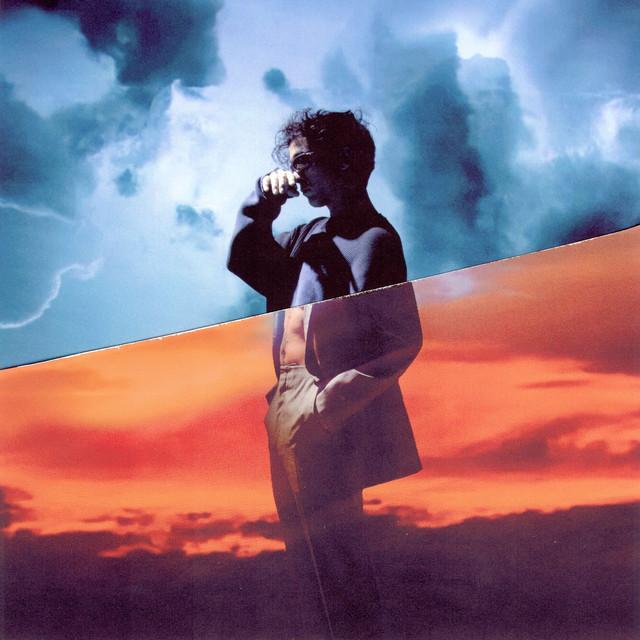
Why Tananai's "RAVE, ECLISSI" Feels So Unstable
The meaning of RAVE, ECLISSI Tananai comes down to a feeling many people know: wanting someone so much that the emotion starts to distort reality.
"RAVE, ECLISSI" - Tananai
Provided by LyricFindQuesto vino ascolta ormai tutti i miei discorsi
Mi conosce quanto te che non mi conosci
Io non faccio musica, faccio bei discorsiLoading...Loading lyrics...
Unable to load lyrics
We're unable to display the lyrics at this time. Please try again later.
The Heart of the Song: Attraction as Overload
Tananai, born Alberto Cotta Ramusino, is an Italian singer-songwriter and producer from Milan whose work often blends pop instinct with rougher emotional edges. Public bio details describe him as active since 2017 and moving across pop, indie pop, and alternative hip-hop lanes (Wikipedia). That mix helps explain why this song feels both catchy and emotionally messy.
The meaning of RAVE, ECLISSI Tananai is not simple romance. It is about desire that becomes all-consuming. The speaker is fascinated by another person, but they are also irritated, confused, and insecure. Love here is not calm. It behaves more like a fever.
That is why the central comparison matters so much. When they say they love someone like rave e le eclissi
, the point is not just that both are exciting. It is that both are rare events that alter perception. A rave overwhelms the senses. An eclipse briefly changes the sky. The relationship seems to do the same thing to their inner life.
A Narrator Trapped Between Hunger and Anger
One of the sharpest things in the lyric is how quickly the emotional tone changes. The speaker says ti mangio con gli occhi
, turning desire into appetite. In plain terms, they are so captivated that even basic needs start to fade into the background.
But the next emotional turn is harsher. They claim ti odio
with extreme language, then swing back toward love and wonder. This is not a balanced relationship portrait. It is a record of emotional whiplash.
What that contradiction suggests
Interpretation: The song may be less about the other person than about what obsession does to the self. The repeated shifts from admiration to resentment suggest the speaker cannot regulate what they feel. They want closeness, but they also resent the power this person has over them.
That makes the song feel painfully believable. Attraction is not presented as noble or pure. It is messy, selfish, and destabilizing.
The Images That Build the Mood
The verses use ordinary objects and body signals to show mental strain. Wine becomes a listener. Headaches fill the pockets. Insomnia becomes part of daily life. These are simple images, but they do a lot of work.
When the lyric mentions mal di testa
, it grounds emotion in the body. This is not abstract heartbreak. It hurts physically. Likewise, the sleeplessness image shows a mind stuck in repetition, unable to shut off.
Another key line says dopo un temporale
there is still more trouble ahead. The idea is important even without quoting the full line: emotional relief never fully arrives. One storm does not clear the air. It only leads to the next one.
Why these details matter
They make the song feel less like a dramatic declaration and more like a diary entry from someone unraveling. Instead of polished poetic distance, Tananai uses blunt, memorable pictures. That style fits his broader artistic identity as a writer who can sound conversational while still landing vivid hooks.
Why the Chorus Hits So Hard
The chorus works because it turns confusion into a slogan-sized truth. The speaker cannot fully understand the person they are chasing, yet they keep circling back. They even admit they are trying to figure out who could truly understand them.
Interpretation: That idea suggests the beloved is not just attractive. They are unreadable. Mystery becomes part of the addiction.
The song also includes a striking emotional motive: the speaker listens carefully, hoping for the moment they will be told they are quello giusto
. In other words, beneath all the swagger and dramatic language is a simpler fear. They want to be chosen.
That detail gives the song its hidden vulnerability. For all its bold images, the track is also about waiting for validation that may never come.
How the Sound Supports the Meaning
Even without needing full technical credits, the song’s likely pop framework matters. Tananai is also a producer, and that background often shows in how tightly his songs balance immediacy and atmosphere (Wikipedia). In a track with this title and lyric tension, the production idea is crucial: the hook needs lift, but the verses need unease.
A song like this works best when the melody feels accessible while the emotional content stays jagged. That contrast mirrors the lyric itself. The listener can move with the chorus, but the words describe insomnia, headaches, and emotional confusion.
Interpretation: This push-pull is probably the point. The sound invites people in; the lyrics reveal damage once they are there. Like a rave or an eclipse, the surface thrill hides something disorienting underneath.
A Broader Reading of the Title
The title is brilliant because both words suggest collective experience and private shock at once. A rave is crowded but deeply personal in effect. An eclipse is shared by many people, yet each viewer experiences a private sense of wonder.
That duality mirrors the relationship in the song. The speaker uses grand comparisons, but their pain is lonely. They are surrounded by sensation and still stuck inside their own head.
For U.S. listeners unfamiliar with Tananai, that may be the easiest way into the meaning of RAVE, ECLISSI Tananai: it is a pop song about how desire can feel spectacular from the outside and destabilizing from the inside.
Final Take: Love as a Rare Event
What makes "RAVE, ECLISSI" memorable is that it refuses to call obsession romantic in a clean way. It shows attraction as dazzling, physical, and slightly destructive. The beloved feels like an event rather than a person: rare, beautiful, and impossible to hold still.
That is why the song lingers. It understands that some relationships do not become part of ordinary life. They interrupt it.
Disclaimer: This interpretation is based on the released lyrics, song context, and Tananai’s public artistic profile. As with all song meaning analysis, some readings remain interpretive rather than confirmed by the artist.







